
How To
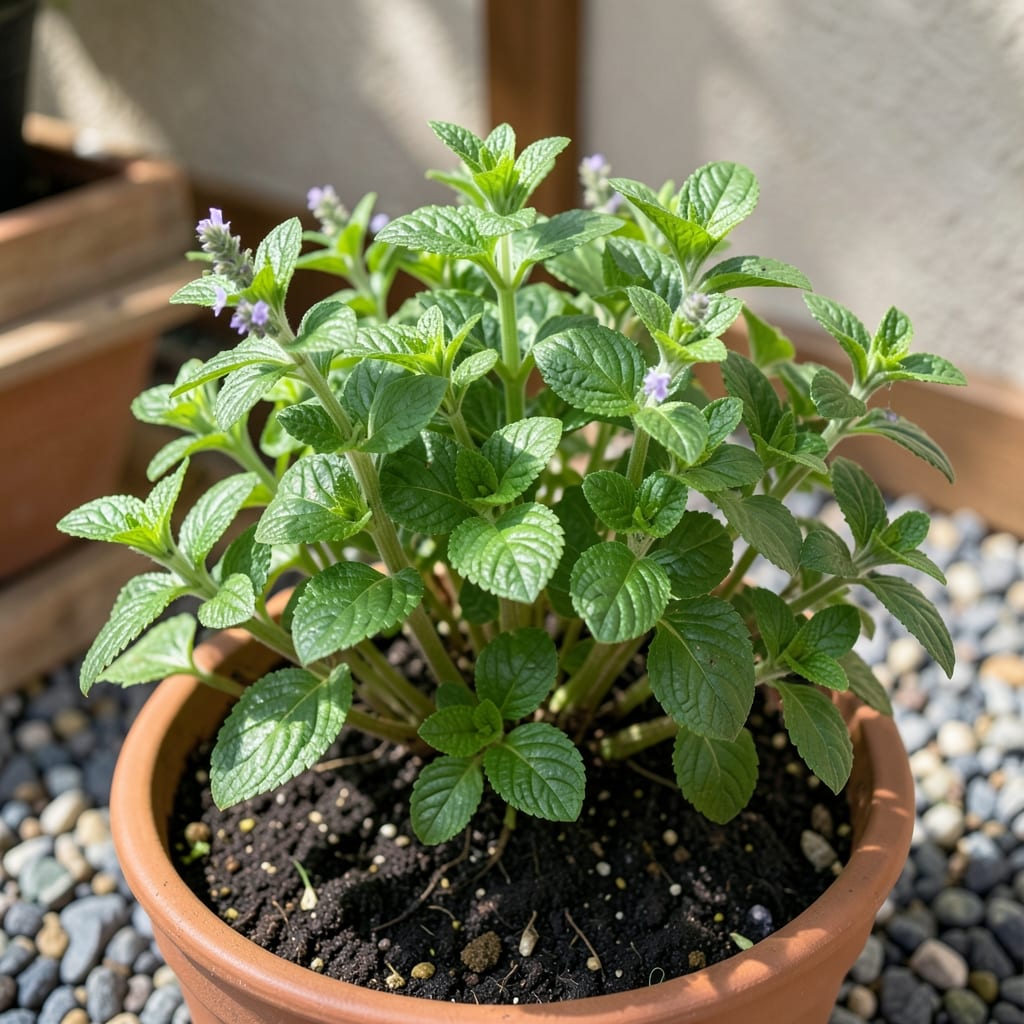
If you’ve ever wondered how tall can mint grow, you’re not alone—this fast-spreading herb can quickly become a garden takeover artist if left unchecked. 🌿 While many gardeners assume mint stays low to the ground, it actually thrives with heights ranging from 1 to 3 feet when given free rein, especially in warm climates like USDA Zone 6a.
The secret to controlling its size lies in understanding its natural growth habits. Without regular pruning, mint spreads aggressively through underground runners, often reaching its maximum height of 3 to 4 feet by late summer. But here’s the good news: with the right techniques, you can keep it compact and manageable—even in small spaces.
Whether you’re growing mint for cooking, teas, or just to keep pests away, knowing how to shape its growth is key. I’ll share simple tips to keep your mint at your desired height while preventing it from overtaking your garden beds or containers.
Let’s dive into how to harness mint’s potential without losing control—so you can enjoy fresh leaves all season long without the chaos.

Natural mint growth height: uncontrolled spread explained
Mint’s natural growth height can vary widely, but most varieties reach between 1 and 3 feet when left unpruned. Without intervention, mint plants can stretch up to 3 to 4 feet, especially in warm climates like USDA Zone 6a. The key factor here is its aggressive horizontal spread—mint doesn’t just grow tall; it sends out underground runners that create new plants.
In ideal conditions—rich soil, regular watering, and full sun to partial shade—mint can grow 2 to 3 feet tall by mid-summer. However, its spread often overshadows its height, making it seem bushier than vertical. This is why many gardeners describe mint as a ground cover with a side of height.
Climate plays a huge role in mint’s growth. In cooler regions, mint may stay shorter (1 to 2 feet) and grow more slowly, while in hot, humid summers, it can shoot up quickly. For example, peppermint often reaches its maximum height faster than spearmint due to its faster growth rate.
Soil quality also impacts height. Mint thrives in moist, well-draining soil with organic matter. Poor soil can stunt growth, while nutrient-rich soil encourages taller, bushier plants. If your mint seems stunted, a balanced fertilizer (like 5-10-10) can give it a growth boost.
Here’s the catch: mint’s uncontrolled spread is its biggest challenge. If you’ve ever seen mint take over a garden bed, you know it’s not just about height—it’s about aggressive root expansion. Without pruning or barriers, a single mint plant can create a 10-foot-wide patch in just one season.
To put it into perspective, mint’s height is often secondary to its spread. While it may not tower over your garden like sunflowers, its horizontal reach is what makes it so invasive. This is why container gardening or root barriers are popular solutions for keeping mint in check.
| Factor | Impact on Height | Ideal Conditions |
|---|---|---|
| Climate | 1–4 ft (warmer = taller) | USDA Zones 3–9 |
| Soil | 1–3 ft (rich soil = taller) | Moist, well-draining |
| Sunlight | 2–3 ft (full sun = taller) | 4–6 hours daily |
| Pruning | 6–18 in (regular pruning = shorter) | Every 4–6 weeks |
| Variety | 1–4 ft (peppermint = tallest) | Choose compact types |
Understanding these factors helps you predict and control mint’s growth. For instance, if you’re growing mint in a container, its height will naturally stay shorter (around 1 to 2 feet) because root expansion is limited. On the other hand, mint planted directly in the ground will spread freely, reaching its full 3 to 4 feet potential.
One common misconception is that mint grows taller in shade. While it tolerates partial shade, it actually grows best with 4–6 hours of sunlight. Shady conditions can lead to leggy, weak stems and slower growth. If your mint seems sparse or tall but floppy, it might be light-deprived.
To summarize, mint’s height is influenced by climate, soil, sunlight, and pruning. While it can reach 3 to 4 feet under ideal conditions, its true challenge lies in its horizontal spread. With the right care, you can enjoy mint at a manageable height while keeping it from taking over your garden.
Next, I’ll share my top tips for controlling mint’s height—whether through pruning, containers, or other creative solutions. This way, you can enjoy fresh mint without the garden takeover! 🌱
Natural mint growth height: uncontrolled spread explained
Mint’s natural growth habit is one of its most fascinating—and sometimes frustrating—traits. When left completely unchecked, mint can reach heights of 3 to 4 feet, though its real challenge comes from its aggressive horizontal spread rather than vertical growth. This herb thrives by sending out underground runners called rhizomes, which can spread up to 5 feet per year if not contained.
The maximum height of mint depends on several factors, including variety, climate, and growing conditions. For example, peppermint and spearmint—two of the most common types—typically grow between 12 to 36 inches tall when given ideal conditions. However, in warm climates like USDA Zone 6a or higher, mint can grow even taller and bushier, especially if it receives plenty of sunlight and moisture.
Soil quality also plays a crucial role. Mint prefers well-draining, slightly acidic soil with a pH between 6.0 and 7.0. In nutrient-rich soil, mint grows faster and taller, while poor soil conditions can stunt its growth. Additionally, mint’s height can vary depending on whether it’s grown in containers, garden beds, or wild patches. In containers, it often stays shorter and more compact, while in open garden beds, it can reach its full height and spread uncontrollably.
| Factor | Impact on Height |
|---|---|
| Variety | Peppermint: 12–36 in | Spearmint: 12–24 in | Apple Mint: 12–30 in |
| Climate | Warmer zones (6a+) = taller growth; cooler zones = shorter |
| Sunlight | Full sun (6+ hrs) = 3–4 ft | Partial shade = 1–2 ft |
| Soil Quality | Rich soil = taller growth; poor soil = stunted growth |
| Growing Method | Containers = 6–18 in | Garden beds = 12–36 in |
Understanding these factors helps you predict how tall your mint will grow and how to manage it effectively. For instance, if you’re growing mint in a container or pot, you can expect it to stay shorter—around 6 to 18 inches—unless you’re using a very large container that encourages deeper root growth. On the other hand, mint planted directly in garden beds with rich soil and full sun will likely reach its maximum height of 3 to 4 feet by late summer.
One common misconception is that mint grows tall and upright like basil or rosemary. In reality, mint tends to grow in a bushy, sprawling manner, which is why it’s often described as a "ground cover" herb. This growth habit is why many gardeners opt to grow mint in containers or raised beds—to prevent it from spreading into other parts of the garden. If you’ve ever seen mint take over a garden bed, you know how quickly it can turn from a manageable herb to an invasive nuisance.
To keep mint at a manageable height, regular pruning is essential. By pinching back the tops of the stems, you encourage the plant to grow wider rather than taller. This technique not only controls the height but also promotes bushier, more flavorful growth. Even with pruning, mint can still reach 2 to 3 feet tall if given enough space, but it will be easier to manage and harvest.
If you’re growing mint for culinary or medicinal purposes, aim to keep it at a height of 12 to 24 inches for easy harvesting. This height range is ideal for picking fresh leaves without straining your back or risking damage to the plant. Plus, shorter mint plants tend to produce more leaves, giving you a steady supply throughout the growing season.