
Size
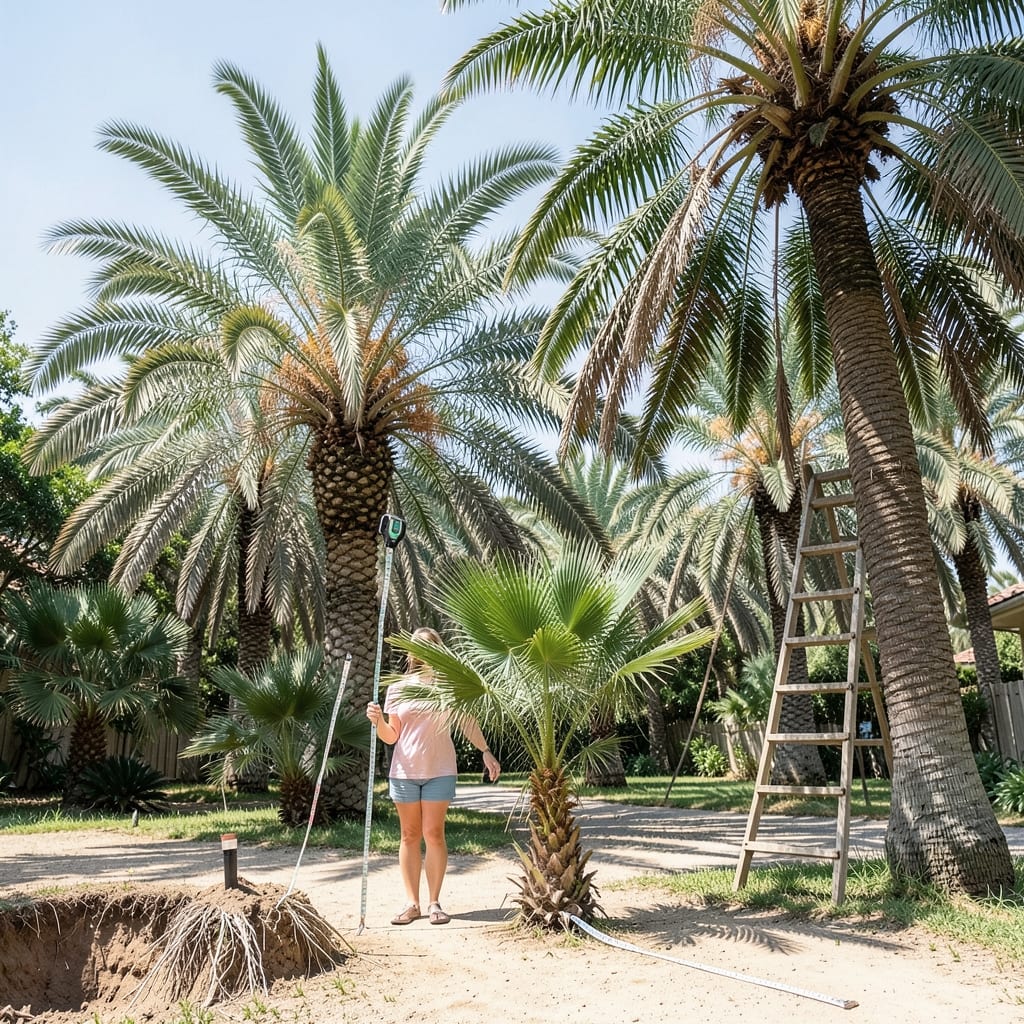
When you picture how tall palm trees can grow, you might imagine a tropical escape—but did you know some species don’t just reach for the sky, they dominate it? The tallest palm trees can stretch over 200 feet, turning your backyard into a mini rainforest. But not all palms grow this massive, and the difference often comes down to species, climate, and care.
If you’re dreaming of a 🌴 that rivals a skyscraper, you’ll want to know which varieties break records—and which ones stay compact. From the towering coconut palm to the elegant royal palm, we’ll break down the fastest growers and their sky-high limits. Whether you’re in USDA Zone 6a or a warmer region, planting in spring sets the stage for dramatic growth.
The secret to unlocking a palm’s full potential isn’t just luck—it’s science. Soil, sunlight, and water all play a role in how fast (or slow) your tree climbs. I’ll share the key factors that turn a modest sapling into a 100-foot giant, plus tips to nurture yours toward its maximum height. Ready to grow a green giant?
Let’s dive into the world’s tallest palms, their growth speeds, and how you can cultivate one that makes your neighbors green with envy. Spoiler: some varieties hit 10 feet in just 3 years—so grab your gloves and let’s get planting!

Tallest palm tree species: height records and growth limits
If you’re chasing the ultimate skyline palm, you’ll want to focus on species that defy gravity. The Cocos nucifera (coconut palm) holds the record as the world’s tallest palm, soaring up to 100 feet in ideal conditions. But don’t let its tropical roots fool you—some temperate palms like the Canary Island Date Palm (Phoenix canariensis) can still reach 50 feet with proper care.
Your palm’s final height depends on three key factors: genetics, climate, and soil quality. A coconut palm in Hawaii might hit 200 feet with rich volcanic soil, while the same species in a USDA Zone 6a garden will cap at 30-40 feet. Even the most cold-hardy palms like the Mediterranean Fan Palm (Chamaerops humilis) stay under 15 feet unless given perfect conditions.
Here’s the hard truth: fast growth doesn’t always mean tall growth. Some palms like the Pygmy Date Palm (Phoenix roebelenii) grow 2 feet per year but never exceed 12 feet. Meanwhile, the Royal Palm (Roystonea regia) can add 3 feet annually and reach 60 feet in tropical climates. The secret? Balanced care—not just water or sun alone.
🌴 Tallest Palm Species Comparison
| Species | Max Height | Growth Rate | Climate Zone | Soil Needs |
|---|---|---|---|---|
| Coconut Palm (Cocos nucifera) | 100–200 ft | 2–3 ft/year | Tropical (Zones 10–11) | Well-draining, sandy |
| Royal Palm (Roystonea regia) | 60–70 ft | 3 ft/year | Tropical (Zones 9–11) | Rich, loamy |
| Canary Island Date Palm (Phoenix canariensis) | 30–50 ft | 2 ft/year | Temperate (Zones 8–10) | Well-draining, alkaline |
| Mediterranean Fan Palm (Chamaerops humilis) | 6–15 ft | 1 ft/year | Cold-Hardy (Zones 6–9) | Adaptable, rocky |
| Pygmy Date Palm (Phoenix roebelenii) | 6–12 ft | 2 ft/year | Tropical (Zones 9–11) | Well-draining, sandy |
Note: Heights vary by climate and care. Cold or poor soil can stunt growth by 50% or more.
For home gardeners in Zone 6a, the Canary Island Date Palm is your best bet for a tall, manageable palm. Plant it in spring after the last frost, and give it 6+ hours of sun daily. With well-draining soil and regular deep watering, it’ll reward you with 30 feet of tropical drama in just a decade.
But here’s the catch: tall palms need space. A 100-foot coconut palm isn’t just a statement piece—it’s a landmark. Before planting, check local HOA rules and power line clearances. Even a 50-foot Royal Palm can interfere with overhead wires or block sunlight for neighboring homes. Measure twice, plant once!
If you’re after height without the hassle, consider dwarf varieties like the Pygmy Date Palm
How fast do palm trees grow: growth rates by species
Palm trees don’t just grow—they race toward the sky, and some species sprint ahead while others take their time. The fastest-growing palms can add 3-6 feet per year in ideal conditions, while slower varieties might only gain 1-2 feet annually. Your choice of species determines whether your palm becomes a towering giant in a decade or a slow-and-steady climber over 20 years.
For example, the Coconut Palm (Cocos nucifera) is a speed demon, capable of reaching 60-100 feet in just 10-15 years. Meanwhile, the Mediterranean Fan Palm (Chamaerops humilis) grows at a glacial pace, maxing out around 15-25 feet even after decades. The difference? Genetics, climate, and care all play a role in how quickly your palm stretches skyward.
🌱
Climate is the greatest accelerator for palm growth. In USDA Zone 10 or higher, where temperatures stay warm year-round, palms like the Coconut Palm or Date Palm (Phoenix dactylifera) can grow up to 50% faster than in cooler zones. Even a 10°F difference can slow growth by half, so if you’re in Zone 6a, choose cold-hardy species like the Windmill Palm (Trachycarpus fortunei), which grows at a moderate pace but survives winters.
Soil quality is another game-changer. Palms thrive in well-draining, slightly acidic soil (pH 5.5-6.5), but heavy clay or waterlogged conditions can stunt growth. I’ve seen Royal Palms in sandy soil hit 20 feet in 8 years, while identical palms in compacted clay barely reached 10 feet in the same time. Amending soil with compost or perlite can boost growth by 30-50%.
Watering also impacts speed—deep, infrequent watering encourages roots to dive deeper, fueling faster vertical growth. Overwatering, however, can suffocate roots and slow your palm’s ascent. In spring and summer, I water mine every 5-7 days with 1-2 gallons per watering, while reducing to bi-weekly in fall and monthly in winter.
Ready to grow a skyscraper of a palm? Pick a fast-growing species, plant in well-draining soil, and give it full sun and consistent water. With the right care, your palm could be towering over your roof in just a few years! 🌴