
How To
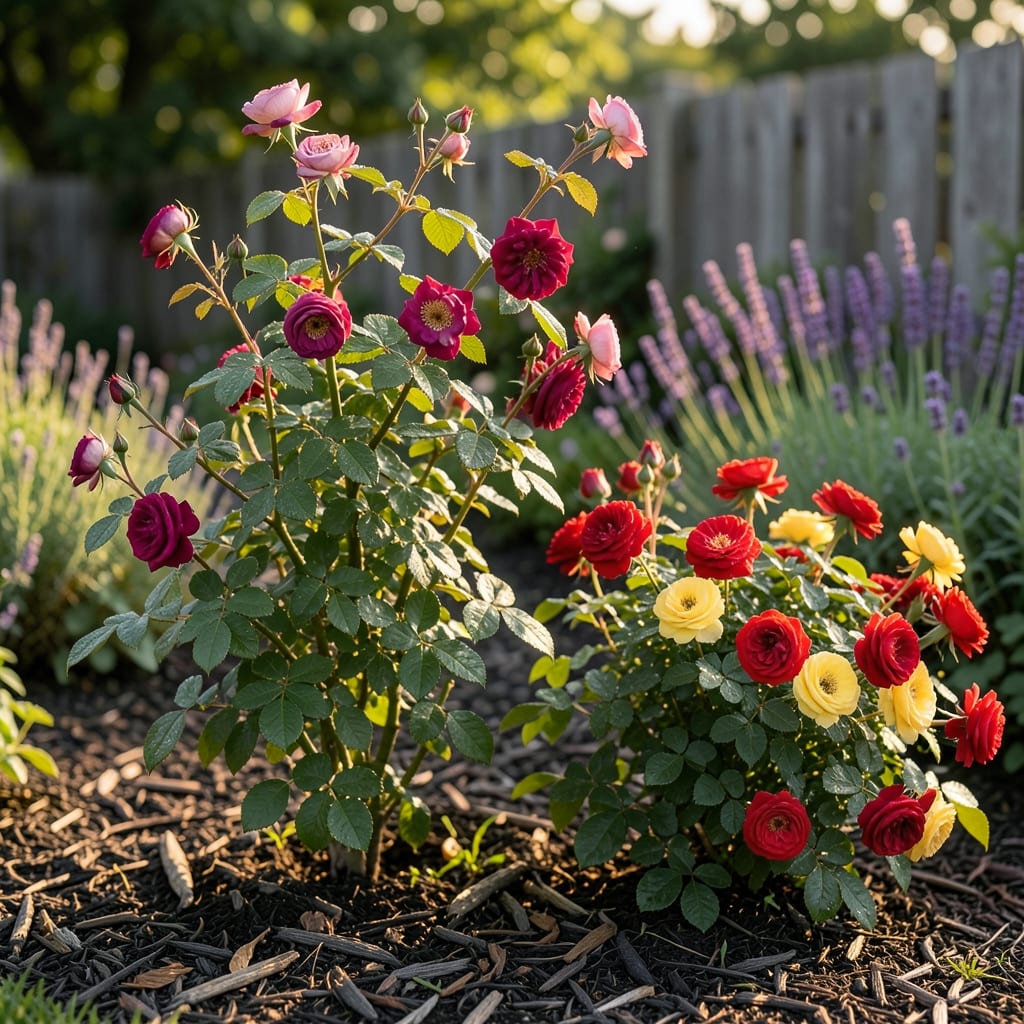
When you picture a Rose Bush 🌹 in your garden, do you imagine how tall rose bushes can grow—whether a delicate shrub hugging your fence or a dramatic climber reaching for your rooftop? The truth is, rose bushes can grow anywhere from just a few inches to over 20 feet—depending on the variety and how you care for them.
If you're planning your garden layout, knowing these height ranges is the key to avoiding overcrowding or wasted space. Some roses stay compact enough for containers, while others need sturdy trellises to support their towering blooms. Let’s break down exactly what to expect from each type and how to keep them at your ideal height.
Pruning isn’t just about shaping—it’s how you control growth. With the right techniques, you can encourage a rose bush to stay small or guide it to climb higher, all while keeping it healthy. Whether you’re a beginner or a seasoned gardener, these insights will help you discover the perfect balance for your space.
Ready to transform your garden? We’ll cover everything from dwarf roses for small yards to massive climbers for vertical gardens—plus how to prune for the exact height you want. Let’s get started!


Rose bush height by variety: from dwarf to climbing giants
If you’ve ever wondered, "how tall can rose bushes grow?" the answer depends entirely on the variety you choose. Roses aren’t one-size-fits-all—they range from tiny patio dwarfs to towering climbers that need a 20-foot trellis. Knowing these differences helps you plan your garden layout without surprises. For example, a miniature rose might stay under 2 feet tall, while a climbing rose can reach heights of 15-20 feet or more.
Let’s explore the most popular rose types and their natural height ranges. Whether you’re working with limited space or dreaming of a dramatic vertical garden, this breakdown will help you pick the perfect variety for your vision. The key is matching the rose’s growth habit to your garden’s layout and your pruning style.
🌹
| Variety | Height Range | Best For | Notes |
|---|---|---|---|
| Miniature Roses | 1–3 ft | Containers, rock gardens | Compact blooms, ideal for small spaces. |
| Shrub Roses | 3–6 ft | Borders, hedges, mixed beds | Low-maintenance, repeat bloomers. |
| Hybrid Tea Roses | 3–5 ft | Cut flowers, formal gardens | Classic blooms, need staking. |
| Floribunda Roses | 2–4 ft | Mass planting, cottage gardens | Clustered flowers, continuous blooms. |
| Climbing Roses | 10–20+ ft | Arbors, trellises, fences | Need support, dramatic vertical impact. |
| Groundcover Roses | 1–2 ft | Slopes, erosion control | Spreads wide, low-growing habit. |
For instance, if you’re working with a small urban garden, a miniature rose or groundcover variety will thrive in containers or along walkways without overwhelming your space. On the other hand, a climbing rose like ‘New Dawn’ can transform a plain fence into a stunning floral display, reaching heights of 15-20 feet with proper training.
One common misconception is that all roses need full sun and space to sprawl. While most roses do love 6+ hours of sunlight daily, some varieties—like dwarf roses—are perfectly happy in partial shade or even indoors near a sunny window. Always check the specific care requirements for the variety you’re interested in to avoid disappointment.
If you’re unsure which rose to pick, consider your garden’s vertical potential. A trellis or arbor can turn a climbing rose into a focal point, while a shrub rose adds structure to borders. For example, the ‘Knock Out’ rose stays compact at 3-4 feet tall but blooms nonstop, making it a favorite for low-maintenance gardens.
🌿
Another factor influencing height is the maturity timeline. Most roses take 2-3 years to reach their full height, so planting a 6-foot shrub rose in a small garden might seem like a mistake—until you realize it’ll stay at 3 feet for its first year. Patience is key! Over-pruning young roses can stunt their growth, so let them establish their natural form before making drastic cuts.
For those with limited space, container gardening is a game-changer. Many dwarf and miniature roses thrive in pots, allowing you to move them to follow the sun or protect them from harsh weather. Just ensure your container has drainage holes and use a high-quality potting mix to prevent root rot.
Finally, don’t overlook the role of soil and climate. Roses in warmer climates like USDA Zone 8-10 may grow taller and more vigorously than those in cooler regions. Amending your soil with compost and organic matter ensures your roses have the nutrients they need to reach their full potential height.
How pruning controls rose bush height (and when to stop)
Pruning is the secret weapon for controlling rose bush height—whether you want a compact shrub or a towering climber. The right cuts at the right time can keep your roses from outgrowing their space or encourage them to reach new heights. But timing and technique matter more than you might think!
Most gardeners prune in late winter or early spring, just before new growth begins. This is when you can reshape the bush and set the stage for the season. However, light pruning after blooms (called deadheading) helps maintain shape and encourages more flowers. The key is to never prune too late—cutting back in fall or winter stresses the plant and limits spring growth.
For height control, focus on pruning 1/3 of the plant’s height each year. If your rose is too tall, cut back the longest canes first, leaving 3-5 buds on each remaining stem. This forces the bush to branch out rather than grow upward. For climbing roses, prune to encourage upward growth by cutting back side shoots and leaving the main canes intact.
- 🌿 Step 1: Assess the Bush – Look for dead, diseased, or crossing branches. Remove these first with clean, sharp pruning shears.
- 🌿 Step 2: Prune for Shape – Cut back overlong canes to 1/3 of their height, leaving 3-5 buds above the cut.
- 🌿 Step 3: Encourage Branching – Trim the top of the tallest stems to promote side shoots and a fuller bush.
- 🌿 Step 4: Deadhead Regularly – After blooms fade, cut back to the first 5-leaf cluster to stimulate new flowers.
- 🌿 Step 5: Avoid Over-Pruning – Never remove more than 1/3 of the plant in one season—this can stunt growth or kill the bush.
One common mistake is pruning too aggressively in hopes of a shorter bush. While this might work short-term, it can weaken the plant and reduce flowering. Instead, gradual pruning over multiple seasons gives you more control and keeps your roses healthy and vibrant. For example, a 6-foot climber can be pruned back to 4 feet one year and then to 3 feet the next without stress.
For climbing roses, pruning is slightly different. You’ll want to prune to encourage upward growth by removing side shoots that compete with the main canes. Leave the strongest, healthiest canes and tie them to a trellis or arbor to guide their growth. This ensures your rose will climb higher rather than sprawl outward.
Finally, tools matter. Use bypass pruners for clean cuts on smaller stems and loppers for thicker canes. Always sterilize your tools with rubbing alcohol to prevent disease spread. With the right approach, you’ll have full control over your rose bush’s height—whether you want it neat and compact or dramatically tall. 🌹