Trees
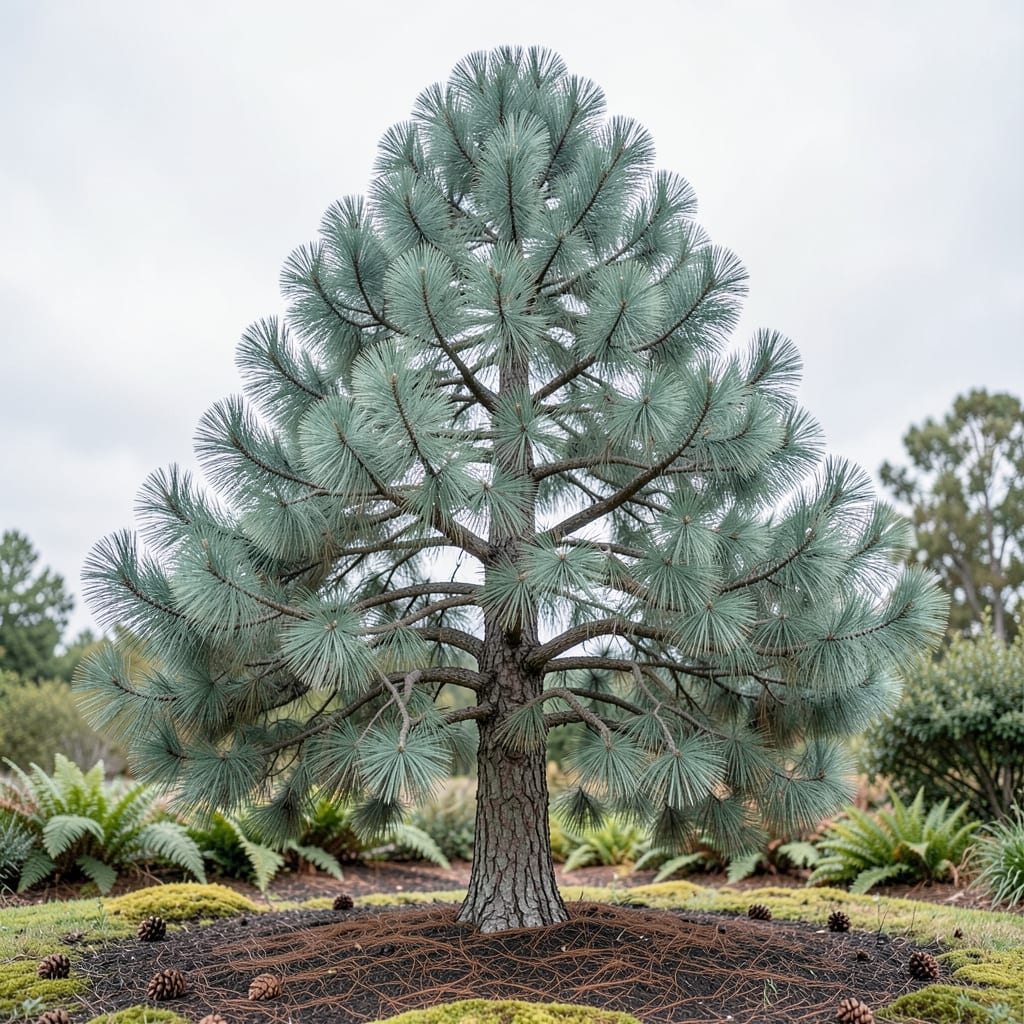
Ever wondered how tall can white pines grow in your backyard? The answer might surprise you—these towering evergreens can reach heights of up to 100 feet, making them one of the most impressive trees for large landscapes.
But here’s the catch: their growth depends on factors like soil quality, sunlight, and even your USDA zone. In Zone 6a, where many gardeners plant them, you’ll see dramatic differences in height over time—from a modest 1-2 feet in the first year to a majestic 50-80 feet at maturity.
If you’re planning your landscape, knowing these details is key. Whether you’re aiming for a privacy screen or a stunning centerpiece, understanding how tall White Pines grow helps you choose the right variety for your space.
Let’s break down the exact growth stages, the fastest varieties, and how to maximize their height—so you can plant with confidence and watch them thrive.


White pine height by age: exact growth stages from seedling to maturity
Understanding how tall white pines grow starts with their growth stages. The Eastern White Pine, the most common variety, follows a predictable pattern from seedling to maturity. In Zone 6a, where many gardeners plant them, you’ll see dramatic height increases—especially during the first 10 years of growth.
During the first year, your white pine sapling will grow just 1-2 feet tall. This slow start is normal, as the tree focuses on establishing roots. By year two, expect 3-5 feet of growth, provided you’ve given it full sun exposure and well-draining soil. This is when the real vertical expansion begins.
Here’s where things get exciting: by year three, your white pine could reach 6-10 feet. This is the point where many gardeners start to notice their tree’s potential. If you’re planting one as a privacy screen or focal point, this is the stage where you’ll see real progress in your landscape design.
By year five, your white pine will likely hit 15-20 feet, growing 3-5 feet per year under ideal conditions. This rapid growth continues until around year 10-15, when the tree may reach 30-40 feet. At this stage, it’s crucial to monitor its height, especially if you’re working with limited space.
As your white pine matures, its growth rate slows but doesn’t stop. Between years 20-30, it will continue to climb, reaching 50-60 feet. This is when the tree’s iconic tall, slender silhouette becomes fully established. In optimal conditions, some Eastern White Pines can even surpass 80 feet by age 50.
In Zone 6a, where winters can be harsh, growth may slow slightly during colder years. However, with proper care—consistent watering, balanced fertilization, and pruning for shape—your white pine can still reach its full potential. The key is patience; these trees are built for longevity and grandeur.
If you’re comparing growth rates, remember that dwarf varieties like the Glauca or Pendula white pines grow much slower, topping out at 15-25 feet. These are ideal for smaller yards or container gardening, while standard varieties are better suited for large properties or forest landscapes.
Now, let’s look at the exact growth stages in a clear, easy-to-reference table. This will help you track your white pine’s progress and set realistic expectations for its height over time.
This table shows that white pines grow fastest during their first 10-15 years. After that, their growth rate tapers off, but they continue to add height and width for decades. If you’re planting one for a long-term landscape feature, this gradual growth is part of their charm.
For gardeners in Zone 6a, where winters can be cold, it’s essential to protect young trees from frost damage. Mulching around the base and ensuring well-draining soil will help your white pine thrive through colder months. Over time, this care pays off with a towering, evergreen centerpiece that adds value and beauty to your property.
If you’re curious about how different varieties compare, stay tuned for our next section, where we’ll dive into the top 5 fastest-growing white pine varieties and their maximum heights. This will help you choose the perfect tree for your space, whether you have a small backyard or a sprawling estate.
Top 5 fastest-growing white pine varieties and their maximum heights
If you're wondering how tall white pines grow and want the fastest results, choosing the right variety makes all the difference. While the Eastern White Pine is the most common and can reach 50-100 feet, some cultivars grow significantly faster or stay more compact. Let’s explore the top 5 fastest-growing white pine varieties and their ideal uses, so you can pick the perfect match for your landscape.
First up is the Eastern White Pine itself—the classic choice for large properties. This variety is known for its rapid early growth, often reaching 30-40 feet in just 10 years under ideal conditions. By maturity, it can tower up to 100 feet, making it perfect for privacy screens or forest-like landscapes. However, its massive size means it’s not suitable for small yards.
Next, the Dwarf Alberta Spruce (often confused with white pine hybrids) is a compact alternative that grows only 15-25 feet tall. While not a true white pine, its blue-green needles and slow growth rate make it ideal for small gardens or container planting. It’s a great choice if you love the look of white pines but need a more manageable size.
For a medium-height option, consider the Glauca White Pine. This variety grows 30-50 feet tall at maturity, making it a semi-dwarf alternative to the Eastern White Pine. It’s perfect for medium-sized yards or as a focal point in larger gardens. Its blue-gray needles add a unique touch to any landscape.
If you're looking for fast vertical growth without the massive height, the Pendula White Pine is a stunning option. This variety features weeping branches and grows 20-30 feet tall but spreads widely. It’s ideal for ornamental planting or shade trees in larger yards. Its unique shape makes it a conversation starter in any garden.
The final variety to consider is the Mountain White Pine, a hardy option that grows 40-60 feet tall and thrives in cooler climates. It’s slightly slower-growing than the Eastern White Pine but more drought-tolerant, making it a great choice for Zone 6a gardeners who want a low-maintenance yet impressive tree.
Now, let’s compare these varieties side by side to help you decide which one fits your space and goals. This table breaks down their maximum heights, growth rates, and ideal planting scenarios, so you can make an informed choice.
As you can see, the Eastern White Pine grows the fastest and tallest, while the Dwarf Alberta Spruce is the best choice for smaller spaces. If you’re torn between varieties, consider your yard size, climate, and landscape goals. For example, if you want a quick privacy screen, the Eastern White Pine is your best bet. If you prefer a low-maintenance ornamental tree