
How To
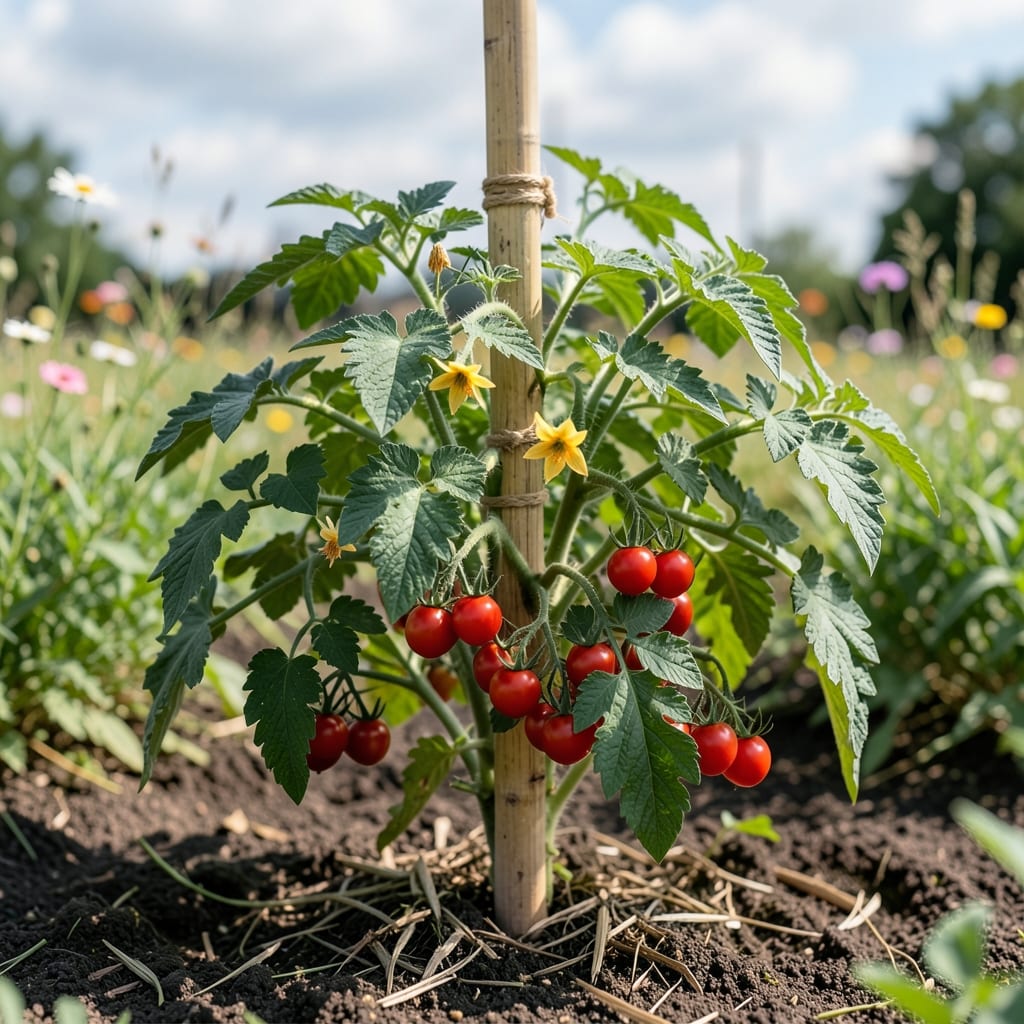
If you’ve ever wondered how tall cherry tomatoes grow in your garden, the answer depends entirely on the variety you choose—some stay small enough for a pot, while others stretch like vines toward the sky. Knowing the difference can mean the difference between a neat, manageable harvest and a sprawling jungle of green. For gardeners in Zone 6, where spring planting kicks off around April 15, understanding these growth patterns is key to maximizing space and yield. Whether you’re working with a 3-foot dwarf variety or a towering 6-foot vine, the right support and care can turn your garden into a productive powerhouse.
In this guide, I’ll break down exactly how tall different cherry tomato varieties grow—from bush types that stay neat and tidy to sprawling vines that need training. You’ll also discover how to control their height, whether you’re aiming for a compact harvest or a vertical garden masterpiece.
Ready to transform your planting strategy? Let’s dive into the heights, supports, and secrets to growing cherry tomatoes that fit your space—and your vision.

Cherry tomato heights by variety: from dwarf to towering vines
Cherry tomatoes aren’t one-size-fits-all when it comes to height. The two main categories—determinate (bush) and indeterminate (vining)—dictate whether your plants will stay compact or climb like jungle vines. Determinate varieties top out at 3-4 feet, making them perfect for containers or small gardens, while indeterminate types can stretch 6-10 feet if left unchecked. Knowing these differences helps you choose the right variety for your space—and avoid a tomato jungle!
For Zone 6 gardeners planting in April, dwarf varieties like ‘Tiny Tim’ or ‘Patio Princess’ reach just 1-2 feet, ideal for balconies or window boxes. On the other end, heirlooms like ‘Sungold’ or ‘Sweet Million’ can grow 8+ feet without support. The key? Matching your variety to your garden’s vertical potential—and your willingness to prune or stake.
Here’s how popular varieties stack up in height—and what support they’ll need to thrive:
| Variety | Growth Habit | Mature Height | Support Needed | Best For |
|---|---|---|---|---|
| Tiny Tim | Determinate | 1–2 ft | None (bush) | Containers, small spaces |
| Patio Princess | Determinate | 2–3 ft | Small cage (18") | Balconies, window boxes |
| Sweet 100 | Indeterminate | 4–6 ft | Trellis or stake | Vertical gardens, fences |
| Sungold | Indeterminate | 6–10 ft | Strong trellis | Large gardens, pergolas |
| Roma Cherry | Determinate | 3–4 ft | Cage (24") | Sauces, small harvests |
🌱 Pro Tip: Indeterminate varieties produce fruit all season but need consistent pruning to manage height.
If you’re growing indeterminate varieties like ‘Sweet Million’, expect them to grow 1-2 feet per week in ideal conditions. Without support, they’ll sprawl across your garden, competing for sunlight and making harvests difficult. On the flip side, determinate varieties like ‘Roma Cherry’ stop growing once they flower, making them predictable and low-maintenance for busy gardeners.
For container growers, stick to dwarf or semi-dwarf varieties like ‘Balcony Red’ (3 ft tall) to avoid root-bound issues. These thrive in 5-gallon pots with proper drainage, but even they benefit from a small cage to keep them upright as they fruit. The trade-off? You’ll sacrifice some yield compared to vine types, but the convenience often wins out for urban gardeners.
One common mistake I see is assuming all cherry tomatoes need the same support. Determinate types rarely need stakes—their bushy growth naturally supports their own fruit. But indeterminate vines? They’re another story. Without a trellis or sturdy stake, they’ll flop, leading to disease from wet leaves or broken stems. Think of it like training a vine to climb a fence—without guidance, it’ll just sprawl.
Here’s a quick rule of thumb: If your variety’s label says “bush” or “compact”, skip the trellis. If it’s “indeterminate” or “vining”, install supports at planting time—before roots get established. This prevents uprooting later and gives your plants stability from day one.
For Zone 6 climates, where summer heat can accelerate growth, indeterminate varieties may need extra pruning to control height. Aim to keep vines 4-5 feet tall unless you’re training them vertically along a trellis. This not only saves space but also improves airflow, reducing the risk of blossom end rot or fungal diseases like early blight.
🌿 Whether you’re dreaming of a neat 2-foot bush or a sky-high vine, choosing the right variety—and giving it the support it craves—is the secret to a bountiful harvest. Next, we’ll dive into the best ways to set up supports and prune for optimal growth.
When and how to support cherry tomato plants for maximum growth
Supporting your cherry tomato plants isn’t just about keeping them upright—it’s about maximizing growth, yield, and air circulation while preventing disease. Without proper support, even indeterminate varieties that can reach 6+ feet will sprawl chaotically, leading to broken stems and poor fruit production. The key is timing: install supports early, ideally within 1-2 weeks of transplanting, before the plant puts too much energy into vines over fruit.
For determinate varieties like 'Sweet 100' or 'Tiny Tim' (which max out at 2-3 feet), a simple 5-foot tomato cage or sturdy wire mesh basket works perfectly. These varieties grow in a bush-like shape and don’t need pruning, so focus on stability. Place cages at planting time to avoid root disturbance later—just press them 6 inches into the soil around the stem.
Indeterminate varieties, however, demand vertical training. Think of 'Sungold' or 'Sweet Million', which can climb 10+ feet if left unchecked. Here, a trellis or sturdy bamboo stake (at least 6 feet tall) is essential. Tie the main stem to the support using soft plant ties or cloth strips—never wire, which can damage the stem. As the plant grows, guide side shoots upward to encourage vertical growth and improve airflow.
Pruning is another critical tool to control height and boost fruit production. For indeterminate varieties, remove suckers (the small shoots that grow between the main stem and branches) weekly. These energy vampires can divert nutrients from fruit production. Focus on keeping the plant open and airy—this reduces humidity around the foliage, cutting down on blight and fungal diseases, which are common in dense, sprawling plants.
If your cherry tomatoes start outgrowing their support, don’t panic—it’s not too late to intervene. Add a temporary bamboo stake or extend your trellis with zip ties (gently!). For overly leggy plants, pinch back the top growth by 1/3 to encourage bushier growth and redirect energy to existing fruit. This trick works especially well for indeterminate varieties that have already topped 5 feet but are producing sparse fruit.
Remember, the goal isn’t just to contain the height but to optimize the plant’s structure for your garden’s conditions. In containers or small spaces, dwarf varieties like 'Tumbling Tom' thrive in hanging baskets, while taller types need vertical space. With the right support and care, you’ll turn your cherry tomatoes from a wild tangle into a neat, productive powerhouse—no matter how tall they grow. 🌱