
Vegetables
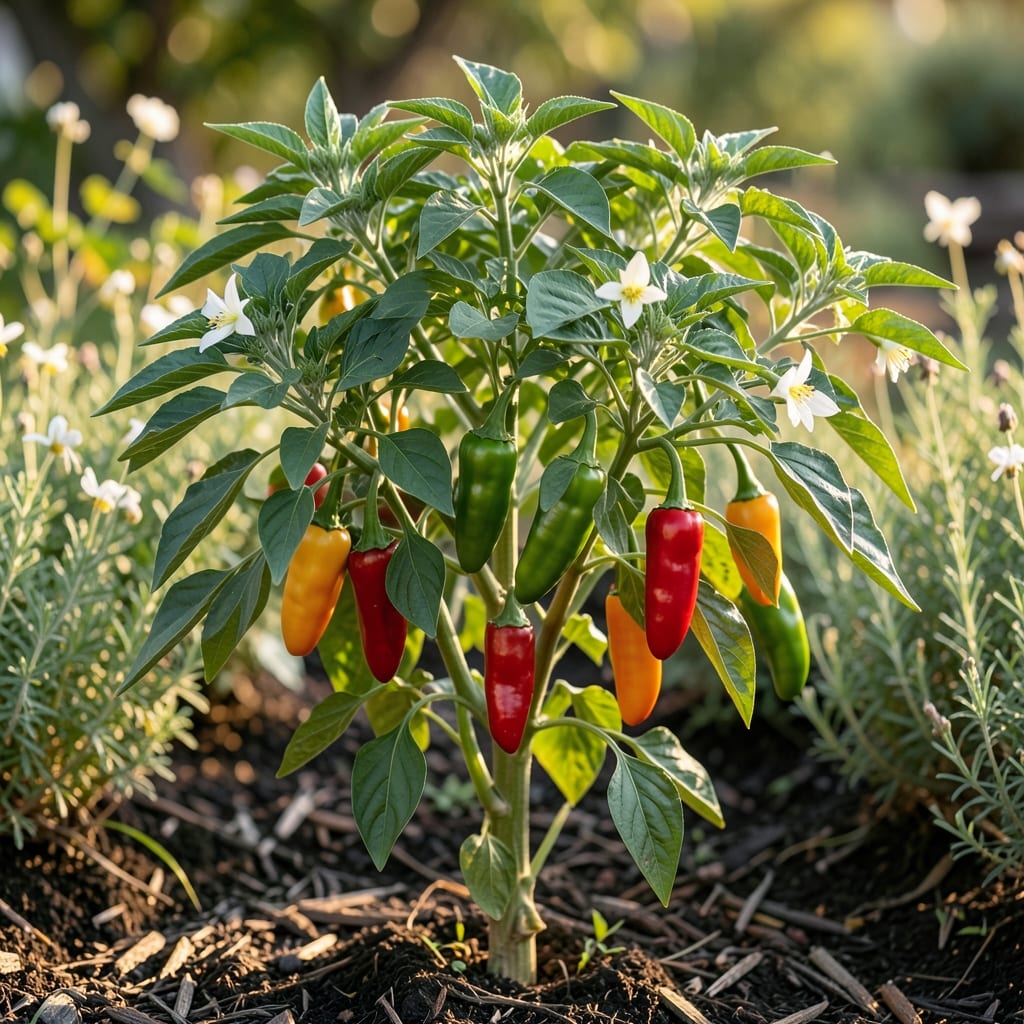
If you're wondering how tall do Anaheim pepper plants grow, the answer might surprise you—these 🌶️ staples of green chiles can reach heights that change how you plan your garden layout. Most varieties climb between 2 to 4 feet, but some sprawling types may need extra space or support to thrive.
Whether you're growing Anaheims for salsa, stuffing, or fresh snacking, understanding their mature size is key to avoiding overcrowding or wasted space. Bushier varieties stay compact, while others stretch tall and might benefit from trellising to save room and improve airflow.
In this guide, I’ll break down the exact height ranges by popular Anaheim varieties and share pro tips to keep your plants healthy—no matter how tall they grow. You’ll learn when to prune, how to support leggy stems, and why some plants stay shorter than expected.
Ready to grow Anaheims that reach their full potential? Let’s dive into the details so you can plan your garden with confidence—and maybe even sneak in a few extra plants!


Anaheim pepper plant height by variety: exact growth expectations
Anaheim pepper plants typically reach a mature height of 2 to 4 feet, but their growth habits vary dramatically between varieties. Some stay compact and bushy, while others grow tall and sprawling. Understanding these differences helps you plan your garden layout, choose the right containers, and maximize your harvest.
For example, the classic New Mexico 1929 variety often grows 3 to 4 feet tall with a slightly sprawling habit, while NuMex Big Jim stays more compact at 2 to 3 feet. Even small differences in height can impact how you space your plants—whether you need a trellis or can let them bush out naturally.
Here’s a quick breakdown of how different Anaheim varieties grow, including their mature height and spread. This will help you visualize how they’ll fit into your garden or containers.
| Variety | Mature Height | Spread | Growth Habit |
|---|---|---|---|
| New Mexico 1929 | 3–4 ft | 2–3 ft | Semi-sprawling |
| NuMex Big Jim | 2–3 ft | 1.5–2.5 ft | Bushy |
| Luna | 3–4 ft | 2–3 ft | Semi-sprawling |
| Apache | 2.5–3.5 ft | 2–3 ft | Bushy to semi-sprawling |
| NuMex Sandia | 3–4 ft | 2–3 ft | Semi-sprawling |
The New Mexico 1929 and Luna varieties often grow taller, making them great candidates for trellising if you’re short on garden space. Meanwhile, NuMex Big Jim and Apache stay shorter and bushier, ideal for container gardening or tight spaces.
Even within the same variety, height can vary based on growing conditions. For example, plants grown in full sun with rich soil and consistent watering tend to reach their maximum height, while those in partial shade or poor soil may stay shorter. If you’re growing Anaheims in containers, expect slightly smaller heights—around 1 to 2 feet shorter than their in-ground counterparts.
To identify when your Anaheim plants have reached maturity, look for fully developed leaves and peppers that are 4–6 inches long. At this stage, the plant’s height will stabilize, and you can focus on harvesting or managing growth with pruning.
If your plants seem to be growing unevenly—some branches stretching taller than others—it’s often a sign of uneven sunlight or overcrowding. I’ll cover how to fix these issues in the next section, but for now, keep an eye on how your plants develop and adjust their environment as needed.
Pro tip: If you’re growing Anaheims in a small space, consider pruning the lower leaves to encourage upward growth and make the most of vertical space. This is especially useful for taller varieties like New Mexico 1929.
Now that you know what to expect from your Anaheim pepper plants, you’re ready to plan your garden layout—or troubleshoot if your plants aren’t growing as tall as they should. Let’s talk about how to manage their height and keep them thriving! 🌱
How to control Anaheim pepper plant height: pruning and support tips
If your Anaheim pepper plants are growing taller than expected—or not reaching their full potential—don’t worry! With the right techniques, you can control their height and shape them for a healthier harvest. Whether you’re dealing with leggy stems or sprawling branches, pruning and support strategies can make a big difference in your garden’s layout and yield.
One of the easiest ways to manage height is through pruning. Regularly trimming your Anaheim plants encourages bushier growth and prevents them from becoming top-heavy. For taller varieties like New Mexico 1929 or Luna, pruning also improves airflow, reducing the risk of diseases like powdery mildew.
Here’s a step-by-step guide to pruning and supporting your Anaheim pepper plants for optimal height control. These tips will help you keep your plants strong, productive, and perfectly sized for your garden space.
- 🌱 Step 1: Prune Early
Start pruning when your plants are about 12–18 inches tall. Remove the lower leaves and any weak or yellowing foliage to encourage upward growth and reduce disease risk. - 🪴 Step 2: Pinch Back Leggy Stems
If your plant is stretching too tall with long, thin stems, pinch back the tips of the main stems to promote side branches. This creates a bushier shape and more pepper-producing areas. - ✂️ Step 3: Thin Out Crowded Branches
If branches are overlapping or shading each other, prune the smaller or weaker ones. This improves sunlight exposure and air circulation, which boosts fruit production. - 🌿 Step 4: Support Tall Varieties
For varieties like New Mexico 1929 that grow 3–4 feet tall, use a trellis, cage, or stakes to provide support. This prevents stems from breaking under pepper weight and keeps the plant upright. - 💧 Step 5: Water at the Base
Avoid wetting the leaves when watering to prevent fungal diseases. Water at the base of the plant in the morning to keep the foliage dry and encourage strong, sturdy growth.
Another key factor in controlling height is trellising. If you’re growing Anaheims in a small space or want to save room, a vertical trellis can train the plant to grow upward instead of sprawling. Use soft ties or plant clips to secure the stems to the trellis gently—never tie them too tightly, as this can damage the plant.
For container gardening, choose compact varieties like NuMex Big Jim or Apache, which stay shorter and bushier. If you’re growing taller varieties in pots, use a small trellis or cage to contain their height and prevent them from toppling over.
Remember, pruning should be done in the morning when the plant is hydrated and the cuts can heal quickly. Always use clean, sharp pruners to avoid damaging the plant or spreading disease. With these tips, you’ll keep your Anaheim pepper plants at the perfect height for your garden—and maximize your harvest! 🌱