Size
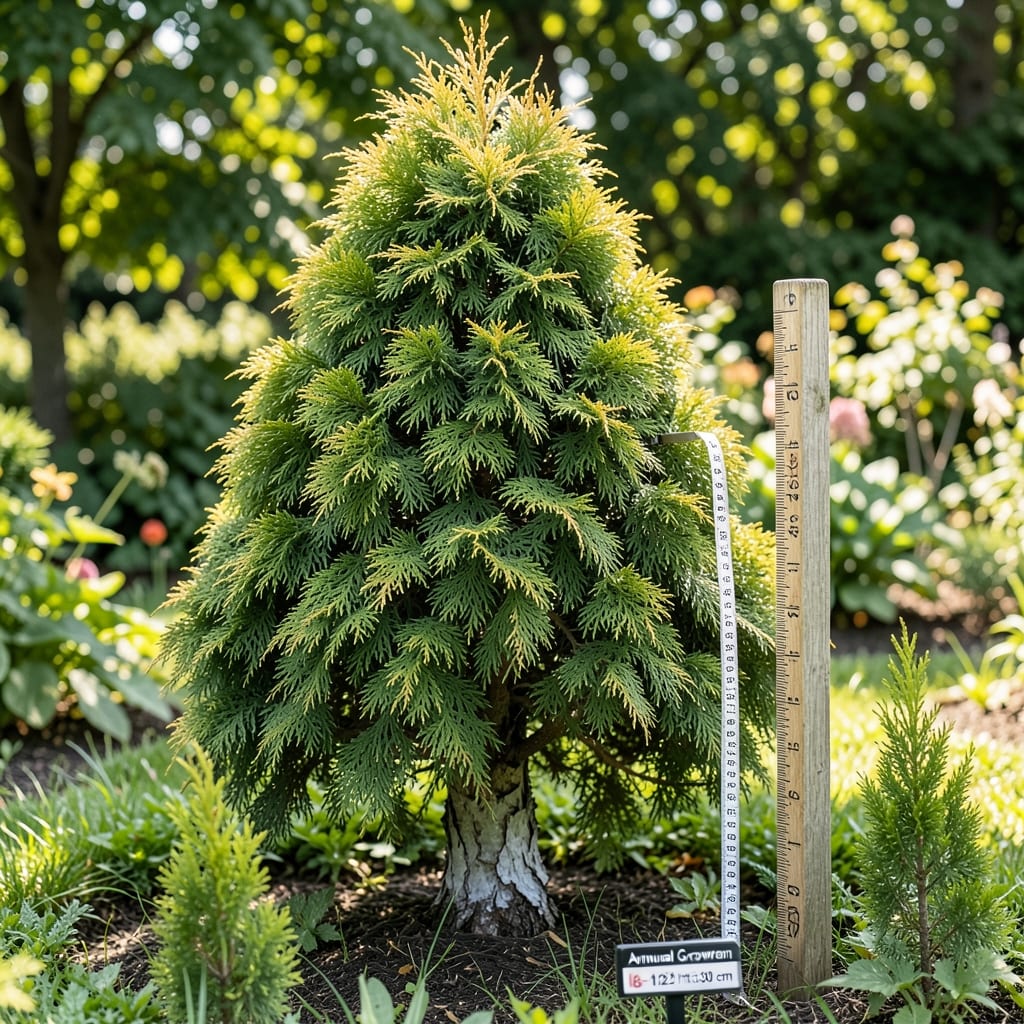
If you’ve ever wondered how tall arborvitae grow each year, the answer might surprise you—especially since some varieties shoot up like weeds while others take their time. Whether you’re planning a privacy screen or just curious about your 🌲’s future height, knowing these growth rates helps you set realistic expectations and avoid overcrowding.
Young arborvitae can grow 12–24 inches per year in ideal conditions, but that pace slows as they mature. Fast-growing varieties like Green Giant reach 3 feet annually early on, while slower growers like Emerald Green add just 6–12 inches per year. The key? Proper spacing, sunlight, and soil prep make all the difference.
In this guide, I’ll break down the growth rates by variety, explain how age affects height, and share tips to encourage faster (or slower) growth. You’ll learn how to give your arborvitae the best shot at thriving—whether you’re planting in Zone 6a or just love watching them grow.
Ready to transform your yard with the perfect evergreen? Let’s dive into the numbers and care tricks that’ll have your arborvitae reaching for the sky—without the guesswork.


Arborvitae annual growth rates by variety: fastest and slowest growers
Arborvitae growth rates vary dramatically by variety, with some shooting up 3 feet per year in their youth while others creep along at 6 inches annually. These differences matter when planning your landscape—whether you need a quick privacy screen or a slow-growing accent plant. Let’s compare the fastest and slowest growers so you can pick the perfect fit for your space.
The Green Giant arborvitae is the speed demon of the group, often growing 36–48 inches per year in ideal conditions. This variety can reach 40–50 feet tall in just 10–15 years, making it ideal for fast privacy hedges or tall windbreaks. Meanwhile, the Emerald Green arborvitae grows at a more modest 6–12 inches per year, topping out around 12–15 feet—perfect for smaller yards or foundation plantings.
American arborvitae (Thuja occidentalis) falls in the middle, with 12–24 inches of growth annually when young and 6–12 inches as it matures. Its mature height of 30–40 feet makes it a versatile choice for both privacy screens and natural focal points. Understanding these rates helps you space plants correctly and avoid overcrowding as they grow.
Here’s a quick visual comparison to help you visualize the differences:
| Variety | Annual Growth Rate (Young) | Annual Growth Rate (Mature) | Mature Height | Best For |
|---|---|---|---|---|
| Green Giant | 36–48 inches | 12–24 inches | 40–50 feet | Fast privacy screens, tall hedges |
| Emerald Green | 6–12 inches | 3–6 inches | 12–15 feet | Foundation plantings, small yards |
| American Arborvitae | 12–24 inches | 6–12 inches | 30–40 feet | Privacy screens, natural focal points |
| Dwarf Arborvitae (e.g., 'Teddy Bear') | 3–6 inches | 1–3 inches | 3–8 feet | Borders, containers, small gardens |
If you’re planting multiple arborvitae for a hedge, spacing is critical. For Green Giant, space them 6–8 feet apart to avoid overcrowding as they mature. For Emerald Green, 3–4 feet apart works well, while dwarf varieties can be planted just 2–3 feet apart. Proper spacing ensures all plants get enough sunlight and air circulation, which directly impacts their growth rate.
Another factor to consider is how quickly you want your arborvitae to fill out. Columnar varieties like Green Giant grow taller faster but may take longer to develop width, while round varieties like Emerald Green fill out more evenly but grow slower. Choose based on your timeline and design goals—whether you prioritize height or fullness.
For the fastest results, focus on soil preparation and consistent watering. Arborvitae thrive in well-draining, slightly acidic soil (pH 6.0–7.0). Amending your soil with compost or peat moss before planting can give your trees a growth boost in their first few years. Pair that with deep watering 1–2 times per week during dry spells, and you’ll see those growth rates climb even higher.
Pro tip: If you’re planting in Zone 6a or colder, choose hardy varieties like American Arborvitae. They tolerate winter better and recover faster in spring, which means less stress and more consistent growth. Avoid planting in low-lying areas where cold air pools, as this can stunt growth or even kill young trees.
Remember, these growth rates are averages. With optimal care, your arborvitae could grow even faster, while poor conditions (like drought or shade) can slow them down significantly. The key is to monitor your trees and adjust your care routine as they grow.
How age affects arborvitae growth: early vs. mature growth phases
Arborvitae growth isn't steady—it follows distinct phases where young trees shoot up like rockets while mature ones slow to a crawl. In their first 3–5 years, arborvitae often grow 12–24 inches annually, thanks to their focus on height over width. This rapid growth phase is when they establish their structural framework, making proper spacing and care critical from day one.
As arborvitae mature (typically after 5–10 years), their growth rate shifts dramatically. Most varieties slow to 6–12 inches per year, with some like Emerald Green dropping to just 3–6 inches annually. This deceleration happens because mature trees prioritize foliage density and root system maintenance over vertical growth.
Here’s how to optimize care for each growth phase to maximize height:
- Years 1–3: Focus on deep watering (1–2x/week) and light fertilization (spring only) to fuel rapid height gain. Use mulch to retain moisture and protect roots.
- Years 4–7: Shift to balanced fertilization (early spring) and prune selectively to encourage upward growth. Monitor for pests like spider mites that thrive on fast-growing foliage.
- Years 8+: Reduce fertilization to once annually (fall) and focus on soil aeration to prevent root-bound stress. Mature trees grow slower but develop thicker trunks and denser canopies.
- All Ages: Avoid over-pruning—never remove more than 25% of foliage in one season. Prune in late winter/early spring to stimulate new growth without shocking the tree.
One common mistake is assuming mature arborvitae have stopped growing entirely. While their height gain slows, they continue adding width and density for decades. For example, a 10-year-old Green Giant might be 20 feet tall but still grow 1–2 feet taller annually until it reaches 40–50 feet.
To encourage consistent growth across all phases, test your soil’s pH (6.0–7.0) and drainage annually. Compacted or alkaline soil can stunt growth at any age. Amend with compost or sulfur if needed, and avoid heavy clay soils that suffocate roots. Even mature trees respond well to root aeration every 3–5 years.
For Zone 6a gardeners, winter care matters too. Young arborvitae benefit from burlap wraps in harsh winters, while mature trees need snow protection to prevent branch breakage. A well-wintered tree resumes growth stronger in spring, maintaining its annual height gains.
Remember: Arborvitae growth rates are not set in stone. With ideal conditions—full sun, proper watering, and minimal stress—you can push those numbers higher. The key is patience and consistency, whether you’re watching a 3-foot sapling or a 30-foot mature tree add another inch each year.