
How To
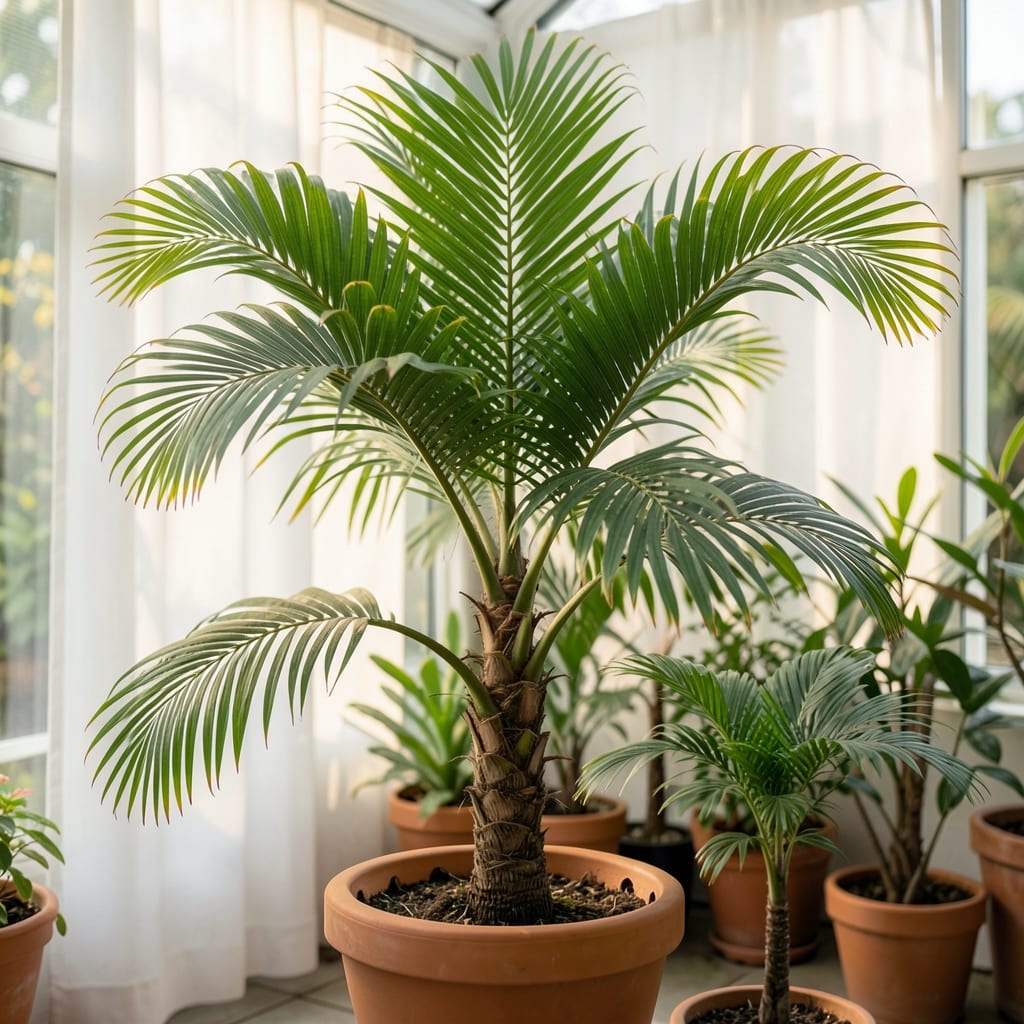
If you’re dreaming of bringing a touch of tropical elegance into your home but worry about how tall Areca Palms grow 🌴 and whether they’ll outgrow your space, you’re not alone. The good news? These stunning plants can thrive at heights that actually fit your lifestyle—whether you’re working with cozy apartments or limited ceilings.
Most Areca Palms reach 10–20 feet outdoors in warm climates, but indoors, they often stay between 6–12 feet with proper care. The key? Choosing the right variety and giving it the space (and light) it needs to grow up instead of struggling to reach its full potential. I’ll show you how to keep yours lush without turning it into a ceiling hazard.
From compact varieties that max out at 6 feet to pruning tips that control height naturally, you’ll learn exactly what to expect—and how to create the perfect environment for a palm that fits your home. No more guessing whether your space is big enough; just smart, space-friendly growth.
Ready to add a little jungle vibe without the jungle-sized commitment? Let’s dive into the heights, care secrets, and varieties that make Areca Palms the perfect indoor (or outdoor) star—no matter how small your space.


Areca palm growth chart: height expectations by variety and age
Understanding how tall Areca Palms grow starts with the variety you choose, because not all palms are created equal. The Dypsis lutescens (the classic "Butterfly Palm") is the most common type you’ll find in homes, and it typically reaches 10–15 feet indoors with proper care. But if you’re working with limited space, other varieties like Areca catechu (the "Sugar Palm") can grow even taller—up to 20+ feet outdoors—while some newer hybrids stay under 6 feet.
Growth isn’t just about the variety, though. Light exposure, pot size, and pruning habits play huge roles in how quickly (and how tall) your palm will grow. For example, a palm in a 10-gallon pot will stay shorter than one in a 20-gallon container, even if they’re the same species. Let’s break down what to expect at each stage of growth, so you can plan your space accordingly.
Here’s the key: Areca Palms grow about 1–2 feet per year indoors if given ideal conditions. That means a 3-year-old palm could be 6–8 feet tall, while a 5-year-old might hit 10 feet. Outdoors in warm climates, they grow faster—sometimes 3–5 feet per year—but without proper care, they can become unruly and top-heavy.
| Variety | Indoor Height (Mature) | Outdoor Height (Mature) | Growth Rate (Per Year) | Best For |
|---|---|---|---|---|
| Dypsis lutescens (Butterfly Palm) | 10–15 ft | 15–25 ft | 1–2 ft (indoors), 3–5 ft (outdoors) | Standard indoor palms, medium spaces |
| Areca catechu (Sugar Palm) | 12–18 ft | 20–30 ft | 2–4 ft (indoors), 5–7 ft (outdoors) | Outdoor landscapes, large containers |
| Areca ‘Mini’ (Dwarf Hybrid) | 4–6 ft | 6–8 ft | 6–12 in (indoors), 1–2 ft (outdoors) | Small apartments, offices, patios |
| Dypsis ‘Golden Cane’ | 8–12 ft | 12–18 ft | 1–2 ft (indoors), 3–4 ft (outdoors) | Sunny indoor spaces, conservatories |
| Areca ‘Red Lady’ | 6–10 ft | 10–14 ft | 8–12 in (indoors), 2–3 ft (outdoors) | Low-light tolerance, compact growth |
If you’re wondering whether your Areca Palm is growing at a normal rate, compare it to the chart above. A 3-year-old Dypsis lutescens should be around 6–8 feet tall if it’s happy, while a 5-year-old Areca catechu could already be pushing 12 feet outdoors. The key to controlling height? Light and pot size—more on that in the next section.
Pro tip: If you’re growing your palm indoors near a south-facing window, expect faster growth (up to 2 feet per year) because of the extra light. But be prepared to prune more often to keep it manageable. On the flip side, a palm in a north-facing room might grow only 6–8 inches per year unless you supplement with grow lights.
One common mistake I see is assuming all Areca Palms grow the same. The Areca ‘Mini’, for example, is specifically bred to stay under 6 feet, making it perfect for apartment living or small offices. Meanwhile, the Areca catechu is more of a statement piece for outdoor gardens or large patios. Knowing these differences upfront saves you from surprises down the line.
Ready to pick the perfect palm for your space? Let’s explore 5 space-saving varieties that won’t outgrow your home—no matter how cozy it is.
Areca palm growth chart: height expectations by variety and age
Understanding how tall Areca Palms grow starts with knowing their natural growth patterns. The most common variety, Dypsis lutescens (also called the Butterfly Palm), typically reaches 10–20 feet outdoors but stays between 6–12 feet indoors due to limited space and light. Growth rates vary by age, with the fastest increases happening in their first 5 years.
For example, a young Areca Palm might grow just 2–3 feet in its first year but can add 4–6 feet annually during peak growth phases. Outdoors in warm climates (USDA Zones 10–12), they often hit their full height faster, while indoors, growth slows naturally due to lower light levels and smaller pots.
Here’s a quick breakdown of what to expect by age and environment:
| Variety | Indoor Height (Mature) | Outdoor Height (Mature) | Growth Rate (Annual) | Best For |
|---|---|---|---|---|
| Dypsis lutescens | 6–12 ft | 10–20 ft | 1–3 ft/year (young) | Indoor spaces, apartments |
| Areca catechu | 8–15 ft | 20–30 ft | 2–4 ft/year (outdoors) | Outdoor landscapes, large patios |
| Dwarf varieties (e.g., 'Mini') | 3–6 ft | 5–8 ft | 0.5–1.5 ft/year | Small spaces, offices, balconies |
Light exposure plays a huge role in height control. Bright indirect light (like near an east- or west-facing window) encourages bushier growth, while low light can stunt height but also slows overall development. If your palm starts leaning toward light, it’s a sign it needs a better spot—rotate the pot every few weeks to keep it balanced.
Pot size matters too! Root-bound palms grow faster because they’re stressed to reach for nutrients. If you want to limit height, choose a smaller pot (just 1–2 inches larger in diameter than the root ball) and upgrade only when roots circle the drainage holes. This trick works especially well for indoor varieties.
For outdoor palms, height is less of a concern unless you’re in a tight yard. In warm climates, they’ll naturally grow taller, but you can prune selectively to shape them or remove old fronds to redirect energy. Just avoid cutting more than 1/3 of the fronds at once—this can stress the plant.
Need a guaranteed compact option? Look for dwarf varieties or slow-growing types like Dypsis 'Golden Cane', which maxes out at 5–6 feet even indoors. We’ll cover these space-savers in the next section!