Plants
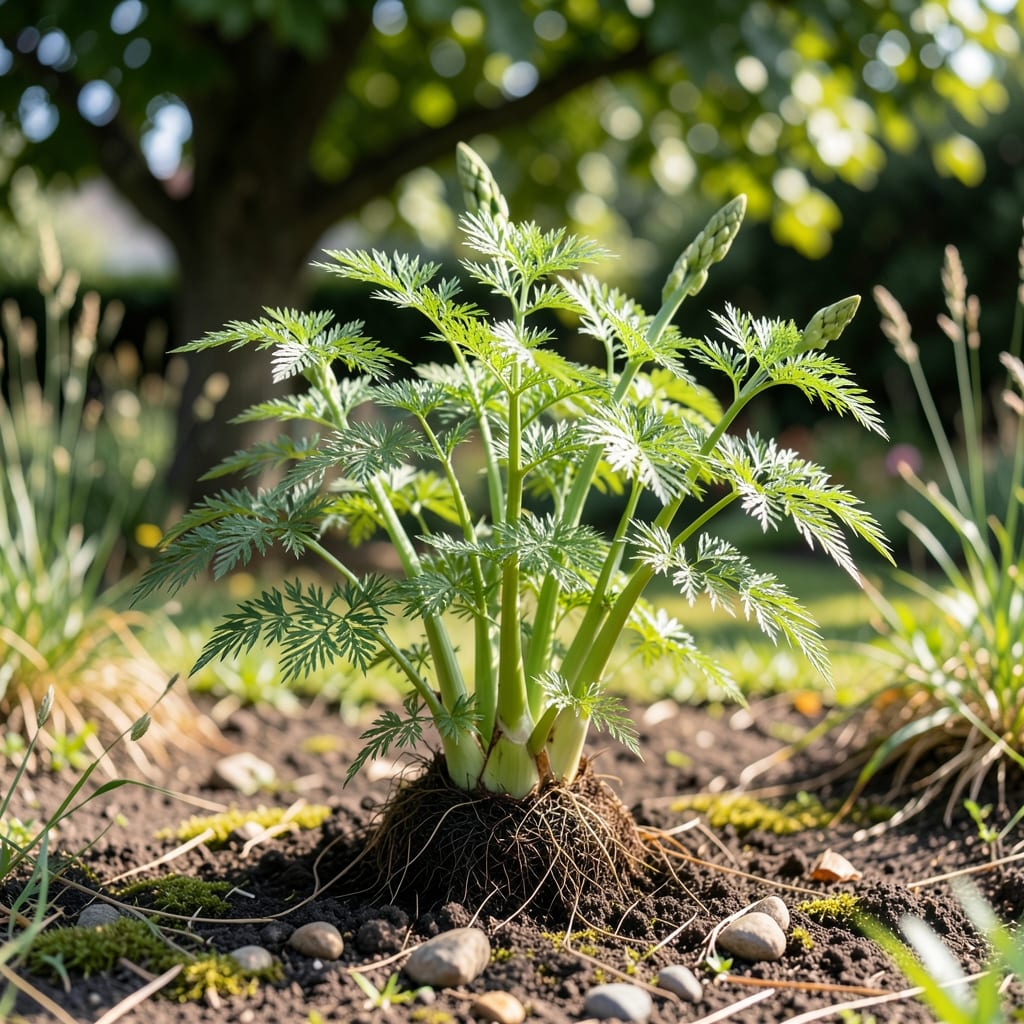
If you're planning to grow asparagus but wondering how tall do asparagus plants grow, you're not alone. The mature height of asparagus plants typically ranges between 3 to 5 feet, but there's more to it than just the numbers.
Understanding how tall asparagus plants grow helps you choose the right variety for your space and garden layout. Some varieties stay more compact, while others can reach impressive heights—sometimes even taller than you'd expect. The key is knowing which type fits your yard and how to space them properly for optimal growth.
Beyond just height, asparagus growth habits—like how the crown spreads underground—play a big role in yield and care. Whether you're a beginner or a seasoned gardener, learning these details ensures your asparagus thrives without taking over your garden.
In this guide, I’ll break down everything you need to know about asparagus heights, spacing tips, and how to keep your plants both productive and manageable. Let’s get started!

Asparagus plant heights by variety: from compact to towering
Asparagus plants typically reach a mature height of 3 to 5 feet, but the exact size depends on the variety you choose. Some varieties stay shorter and bushier, while others grow taller with more upright ferns. Knowing these differences helps you plan your garden layout and avoid overcrowding.
For example, the classic Mary Washington variety can grow up to 5 feet tall, making it ideal for larger gardens or raised beds. Meanwhile, newer varieties like Purple Passion stay slightly shorter but still reach 3 to 4 feet, perfect for smaller spaces or container gardening.
Beyond height, asparagus plants also spread underground through crowns, which can expand 1 to 2 feet per year. This means spacing is just as important as height—planting too close can lead to competition for nutrients and reduced yields.
If you're working with limited space, consider 'Jersey Knight' or 'Pacific 2000', both of which thrive in 3 to 4 feet of height while maintaining a more compact growth habit. These varieties are great for urban gardens or small backyard plots.
Here’s a quick comparison to help you visualize how different asparagus varieties grow:
When choosing a variety, also consider how tall the ferns grow, as they can become quite large and bushy. For instance, Mary Washington ferns can spread 3 to 4 feet wide, while Purple Passion stays slightly more contained. This is especially important if you're growing asparagus near other plants or in a mixed garden bed.
If you're growing asparagus in containers, opt for varieties like Pacific 2000 or Jersey Knight, as they adapt well to confined spaces. Just ensure your container is at least 12 inches deep and 18 inches wide per plant to accommodate the crown’s spread.
One common mistake is assuming taller varieties produce more spears. In reality, yield depends more on crown health and soil quality than height. A well-cared-for 3-foot variety can produce just as many spears as a 5-foot giant, given the right growing conditions.
For maximum yield, focus on soil preparation (well-draining, compost-rich) and proper spacing. Overcrowding leads to smaller spears and weaker plants, while ideal spacing ensures each plant gets enough sunlight and nutrients to thrive.
Now that you know how tall asparagus plants grow and how to choose the right variety, let’s explore how to manage their spread and keep them tidy in your garden—without sacrificing productivity.
How to control asparagus spread: pruning, spacing, and container hacks
Asparagus plants may not climb like vines, but their underground crowns and bushy ferns can spread surprisingly fast if left unchecked. The good news? With the right techniques, you can keep them contained while maximizing your harvest. The key lies in proper spacing, ferns pruning, and smart container solutions for small spaces.
First, let’s talk spacing. Asparagus crowns expand 1 to 2 feet per year, so planting them too close leads to overcrowding. For most varieties, space plants 12 to 18 inches apart in rows 2 to 3 feet apart. This gives roots room to spread without competing for nutrients, ensuring healthier plants and larger spears.
Here’s how to manage asparagus spread effectively:
- 🌱 Prune ferns after harvest: Cut back old ferns to 2 inches above ground in early fall. This redirects energy to crown growth for next year’s spears.
- 📏 Space plants correctly: Use 18 inches apart for tall varieties (like Mary Washington) and 12 inches apart for compact types (like Purple Passion).
- 🪴 Use containers: For small spaces, plant one crown per 18-inch-wide container. Choose deep pots (at least 12 inches deep) to accommodate roots.
- ✂️ Avoid over-pruning: Never cut ferns before late fall—this weakens the crown. Wait until they turn yellow and die back naturally.
- 🌿 Mulch heavily: Apply 3 inches of mulch around plants to suppress weeds and retain moisture, reducing stress on the crown.
One common mistake is assuming taller asparagus varieties produce more spears. In reality, yield depends on crown health, not height. A well-spaced 3-foot variety in rich soil can outproduce a crowded 5-foot giant. Focus on soil fertility (add compost annually) and consistent watering (deep soaks weekly) to keep plants thriving.
If you’re growing asparagus in containers, choose varieties like Pacific 2000 or Jersey Knight, which adapt well to confined spaces. Place containers in full sun and fertilize lightly every 4 to 6 weeks during the growing season. Just remember: containers dry out faster, so monitor soil moisture closely.
For large gardens, consider edging techniques like burying a plastic barrier 12 inches deep around the perimeter to contain crown spread. This works especially well for Mary Washington, which can expand aggressively. Combine this with annual pruning to keep ferns tidy and harvests abundant.
With these strategies, you can enjoy a productive asparagus patch without it becoming unruly. Next, let’s explore how asparagus height and yield change over the years—so you know what to expect as your plants mature.