
Size
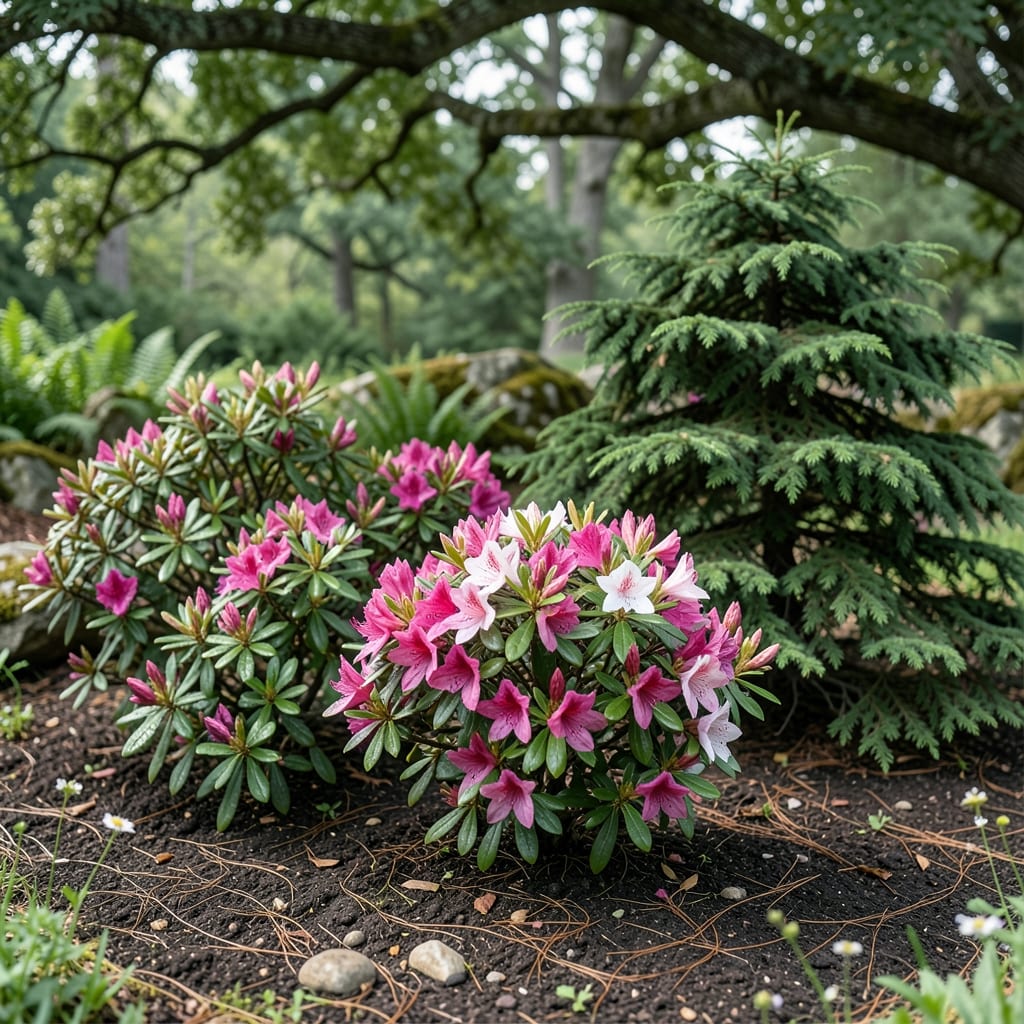
If you're dreaming of a vibrant spring garden but wondering how tall azalea bushes grow, you're not alone. The height of azalea bushes can vary dramatically—from compact 2-foot beauties to towering 12-foot giants—depending on the variety and growing conditions.
Evergreen azaleas, like the popular Rhododendron, often stay on the shorter side, making them perfect for borders or containers. Meanwhile, deciduous types can reach impressive heights, especially when given the right care. Knowing these differences is key to planning your garden layout and ensuring your azaleas thrive without taking over.
In this guide, I’ll break down the exact height ranges for common azalea types, share tips for controlling their growth, and help you choose the perfect variety for your space—whether you have a cozy patio or a sprawling backyard. Let’s get started!
Ready to transform your garden with stunning, well-placed azaleas? Discover how sunlight, soil, and pruning can influence their height—and which varieties will fit your vision perfectly.


Azalea height by type: exact growth ranges for popular varieties
Azaleas come in a stunning array of heights and shapes, but their mature size depends heavily on the variety and species. Evergreen azaleas, like the Rhododendron family, typically stay shorter—ideal for borders or containers—while deciduous types can reach impressive heights. Let’s break down the exact height ranges for popular azaleas so you can choose the perfect fit for your garden.
The smallest azaleas, like the ‘Dwarf Azalea’ varieties, top out at just 2-3 feet, making them perfect for patio containers or window boxes. On the other end of the spectrum, standard azaleas like ‘Knock Out’ series can grow 6-12 feet tall, creating dramatic focal points in landscapes. Knowing these differences is key to avoiding overcrowding or underutilized space.
🌸
The ‘Knock Out’ azalea series is a fan favorite for its vigorous growth and repeat blooming, but its height can vary. Some cultivars, like ‘Rhododendron ‘Pink Knock Out’, max out at 5-6 feet, while others, such as ‘Rhododendron ‘Tiny Wine’, stay compact at 3-4 feet. This variability makes them versatile for both small gardens and large landscapes.
For evergreen azaleas, like the ‘Southern Indica’ group, expect a neat, rounded shape with heights of 3-5 feet. These are ideal for foundation plantings or as privacy screens when planted in a row. Their glossy leaves add year-round interest, even when not in bloom.
Deciduous azaleas, such as the ‘Indian Azalea’, can reach 8-10 feet tall and thrive in wilder, woodland settings. Their lush foliage and dramatic spring blooms make them a standout in shady or partially shaded areas. If you’re working with a small garden, opt for dwarf deciduous varieties like ‘Hino Crimson’, which tops out at 3-4 feet.
🌿
One common misconception is that all azaleas grow tall. In reality, proper pruning and spacing can significantly influence height. For example, if you plant ‘Knock Out’ azaleas 6 feet apart, they’ll fill in beautifully without overcrowding. Conversely, dwarf varieties should be spaced 2-3 feet apart to allow airflow and prevent disease.
When selecting azaleas, consider your garden’s mature scale. A 12-foot azalea will dominate a small backyard, while a 3-foot dwarf might get lost in a large landscape. Always measure your space and choose varieties that complement your vision—whether you’re aiming for a romantic cottage border or a modern hedge.
🪴
How growing conditions affect azalea height: sun, soil & pruning tips
Your azalea’s final height isn’t just about genetics—growing conditions play a huge role. Too much sun can stunt growth, while poor soil can limit their potential. Understanding these factors helps you control azalea height naturally, whether you want them compact or towering.
For example, evergreen azaleas like 'Girard’s Pink' thrive in partial shade and rarely exceed 5 feet, while deciduous types like 'Knap Hill' can stretch to 8 feet under ideal conditions. The key is balancing sunlight, soil acidity, and pruning to guide their growth.
Here’s how each factor influences height—and what you can do to shape your azaleas:
- Sunlight Exposure
Too much direct sunlight (6+ hours) can stress azaleas, causing them to grow taller but leggy. Aim for morning sun + afternoon shade—this keeps growth compact and bushy. In hot climates, afternoon shade is critical to prevent sunburn.
- Soil Acidity (pH)
Azaleas crave acidic soil (pH 4.5–5.5). If your soil is too alkaline (pH 7+), nutrients like iron become unavailable, stunting growth. Test your soil and amend with peat moss or sulfur to keep pH low—this ensures healthier roots and fuller growth.
- Pruning Technique
Prune right after flowering (late spring) to control height. Cut back overgrown branches by 1/3 to encourage bushier growth. Avoid heavy pruning in fall—it removes next year’s flower buds and can stunt height permanently.
- Watering Consistency
Drought stress forces azaleas to grow taller and thinner as they reach for moisture. Keep soil consistently moist (not soggy)—mulch with pine bark to retain humidity. In containers, water every 2–3 days to prevent root shrinkage, which limits height potential.
- Fertilizer Type
Use a low-nitrogen, acid-loving fertilizer (e.g., 8-3-9). High nitrogen promotes leafy growth over flowers, while balanced NPK ensures steady, controlled height increase. Over-fertilizing can lead to sodium buildup, which stunts roots and growth.
Pro tip: If your azalea is growing too tall for its spot, prune selectively in early spring before new growth starts. Focus on removing vertical stems to redirect energy into horizontal branching. This keeps the plant shorter but fuller, perfect for borders or containers.
Remember, azaleas grow fastest in spring and early summer. Monitor their height yearly and adjust care to match your garden’s vision—whether that’s a neat hedge or a showstopping focal point.