
Trees
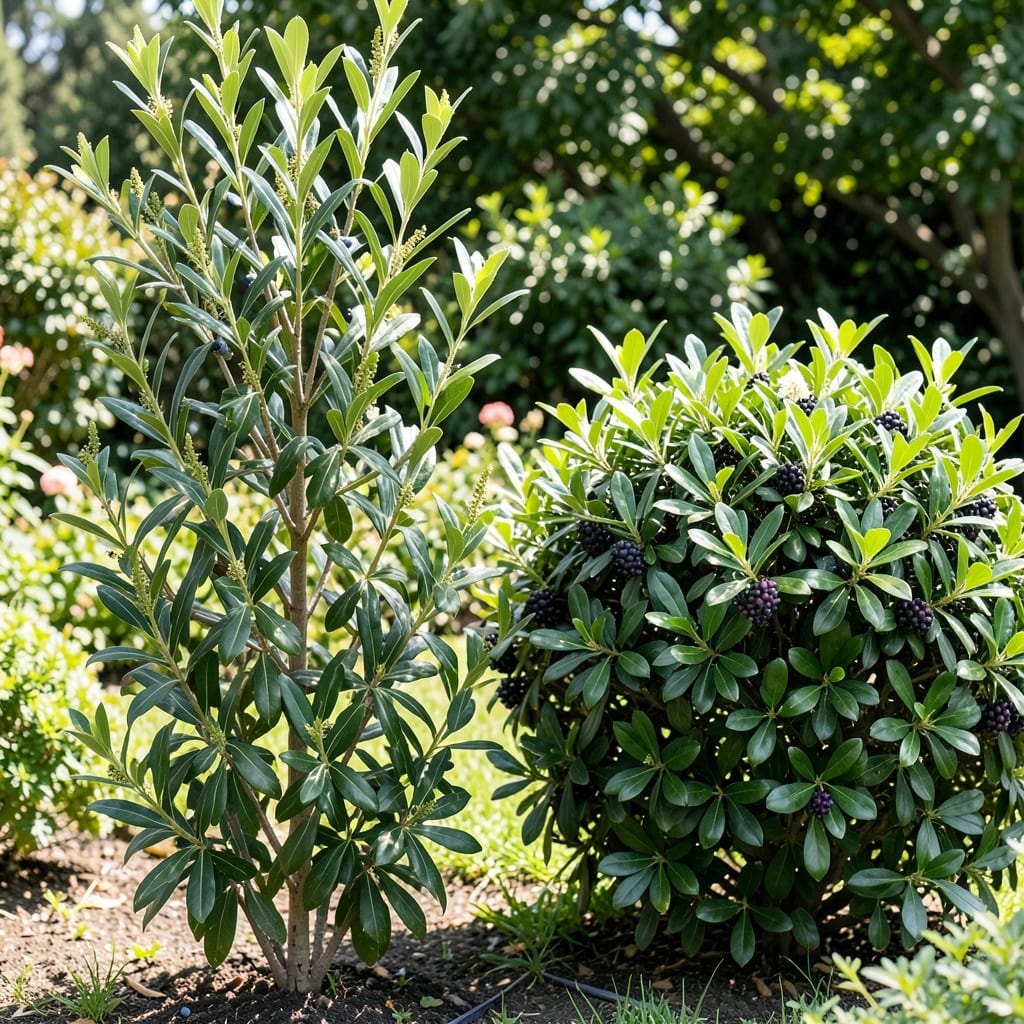
If you're asking "how tall do bay trees grow", you're probably picturing a kitchen staple that stays neatly trimmed—or maybe you're bracing for a 20-foot jungle in your backyard. The truth? Your bay tree's height depends entirely on where you plant it and how you care for it. Left to its own devices, this fragrant 🌿 can reach towering heights of 40 feet in the ground, but with the right pruning, you can keep it compact and manageable.
Whether you're growing a bay tree indoors as a culinary herb or outdoors as an ornamental shrub, understanding its growth habits is key. Indoors, they typically stay between 6-10 feet tall, while outdoor varieties can stretch much taller if given space. The good news? With strategic pruning, you can control its height without sacrificing those aromatic leaves you love for cooking.
What most gardeners don't realize is that bay trees grow at different rates depending on their environment. In USDA Zone 6a, they thrive in spring planting and can add 2-3 feet per year if conditions are right. But with proper care—like regular trimming and the right amount of sunlight—you can shape it to fit your space perfectly.
In this guide, I'll show you exactly how to manage your bay tree's height naturally, from pruning techniques to seasonal care tips. Whether you want a kitchen-side herb garden or a lush outdoor accent, you'll learn how to keep your bay tree at the ideal size—without stunting its growth or health.

Natural height range of bay trees: what to expect indoors vs. outdoors
Bay trees (Laurus nobilis) are incredibly versatile plants, but their height potential can vary wildly depending on where you grow them. In ideal outdoor conditions, these evergreens can reach staggering heights of 20-40 feet, making them a stunning focal point in landscapes. However, when grown indoors as a potted herb, they typically stay between 6-10 feet tall. The key difference? Space, sunlight, and pruning habits.
If you're growing a bay tree outdoors in USDA Zone 6a or warmer, expect rapid growth—especially in the first 3-5 years. Without pruning, your tree could easily surpass 15 feet by year five. Indoors, growth slows dramatically due to limited space and lower light levels, but they can still reach 12 feet if left unchecked in a large container. The good news? With regular pruning, you can maintain any height you prefer.
Container size plays a massive role in height control. A 5-gallon pot will keep your bay tree compact (under 6 feet), while a 15-gallon container allows for more vertical growth (up to 10 feet). Outdoor plants, however, have no such limits—they'll grow as tall as their roots and environment allow. This is why many gardeners choose to plant them against fences or walls to guide their growth direction.
Sunlight exposure directly impacts height too. Bay trees thrive in full sun to partial shade, but too much shade can lead to leggy, weak growth. In bright light, they grow bushier and more compact, while low-light conditions (common indoors) often result in taller, sparser stems. If your indoor bay tree is stretching toward the light, it's a clear sign it needs more bright indirect sunlight or a pruning session.
Climate also affects height—bay trees in warmer climates (Zones 7-10) grow faster and taller than those in cooler regions. In Zone 6a, where winters are colder, growth slows in winter months, but they can still add 2-3 feet per year during the growing season. If you're in a cooler zone, consider overwintering potted bay trees indoors to prevent winter dieback and maintain steady growth.
Soil quality also influences height—bay trees prefer well-draining, slightly acidic soil (pH 6.0-7.0). Poor soil can stunt growth or lead to nutrient deficiencies, which may cause your tree to grow slower and weaker. If you're growing outdoors, amend your soil with compost or organic matter to encourage strong root development and faster growth. For potted bay trees, use a high-quality potting mix with perlite to prevent root bound conditions, which can restrict height.
One common misconception is that bay trees grow too fast to control. While they can add several feet per year, their growth slows naturally as they mature. After 5-7 years, outdoor bay trees often grow only 1-2 feet per year, making height management easier. Indoors, growth is naturally slower due to limited space, but you can still encourage bushier growth by pruning regularly and rotating the pot for even light exposure.
If you're growing a bay tree for its culinary leaves, focus on keeping it compact (under 6 feet) for easy harvesting. For ornamental purposes, you might prefer a taller, more dramatic look—just be prepared for regular pruning to maintain its shape. The key is to start pruning early, before the tree becomes too large to handle. A well-pruned bay tree not only stays at your desired height but also produces more aromatic leaves for cooking.
Remember, bay trees are hardy and adaptable, so don’t be afraid to experiment with different growing conditions. Whether you want a kitchen-side herb garden or a backyard privacy screen, understanding these height factors will help you grow a bay tree that fits your space perfectly. The best part? With the right care, your bay tree will thrive—and so will your meals!
Step-by-step pruning guide to control bay tree height naturally
Pruning is the secret weapon for keeping your bay tree at your desired height while encouraging dense, healthy foliage. When done correctly, it stimulates bushier growth and prevents leggy stems. The key is timing—bay trees respond best to pruning in late spring or early summer, just as new growth begins. This is when the plant is actively growing and can recover quickly from trimming.
Start by removing any dead or yellowing leaves first. These can harbor pests or diseases and drain energy from your plant. Use clean, sharp pruners to make cuts at a 45-degree angle, about ¼ inch above a leaf node. This encourages new shoots to grow from that spot, creating a fuller shape. Avoid cutting into old wood, as bay trees heal slowly from deep cuts.
For height control, focus on the topmost branches. Cutting back the tips of the tallest stems signals the plant to put energy into lateral growth instead of reaching upward. If your bay tree is indoors, aim to trim it by ⅓ of its height once a year to maintain compactness. Outdoors, you can be slightly more aggressive, especially if the tree is young and still establishing its structure.
🌿 Step-by-Step Pruning Guide
- Step 1: Wait until late spring (after last frost) to prune. Avoid trimming in winter or fall, as this can stress the plant.
- Step 2: Remove dead or diseased branches first. Cut at the base where the branch meets the trunk.
- Step 3: Trim 1/3 of the tallest stems to encourage bushiness. Use sharp pruners for clean cuts.
- Step 4: Shape the tree by thinning out crowded branches to improve airflow and reduce pest risks.
- Step 5: Fertilize with a balanced 10-10-10 fertilizer 2 weeks after pruning to support new growth.
Pro Tip: Always sterilize your pruners with rubbing alcohol between cuts to prevent spreading disease.
One common mistake is pruning too late in the season. If you trim in late summer or fall, your bay tree may not have enough time to recover before dormancy, leading to weak growth or even dieback. Another pitfall is cutting too aggressively—never remove more than ⅓ of the foliage in one session, or you risk shocking the plant.
To encourage even more bushiness, you can also try pinching back the tips of new growth throughout the growing season. This technique works especially well for indoor bay trees, where space is limited. Just use your fingers to gently pinch off the top ½ inch of new shoots when they’re about 4-6 inches tall. This stimulates branching and keeps the tree compact.
With consistent pruning, your bay tree will stay at a manageable height while producing abundant, fragrant leaves for cooking. Just remember: patience is key. It may take a few years to see dramatic changes, but the effort is worth it for a lush, healthy plant that fits your space perfectly. Happy pruning! ✂️🌿