
Size
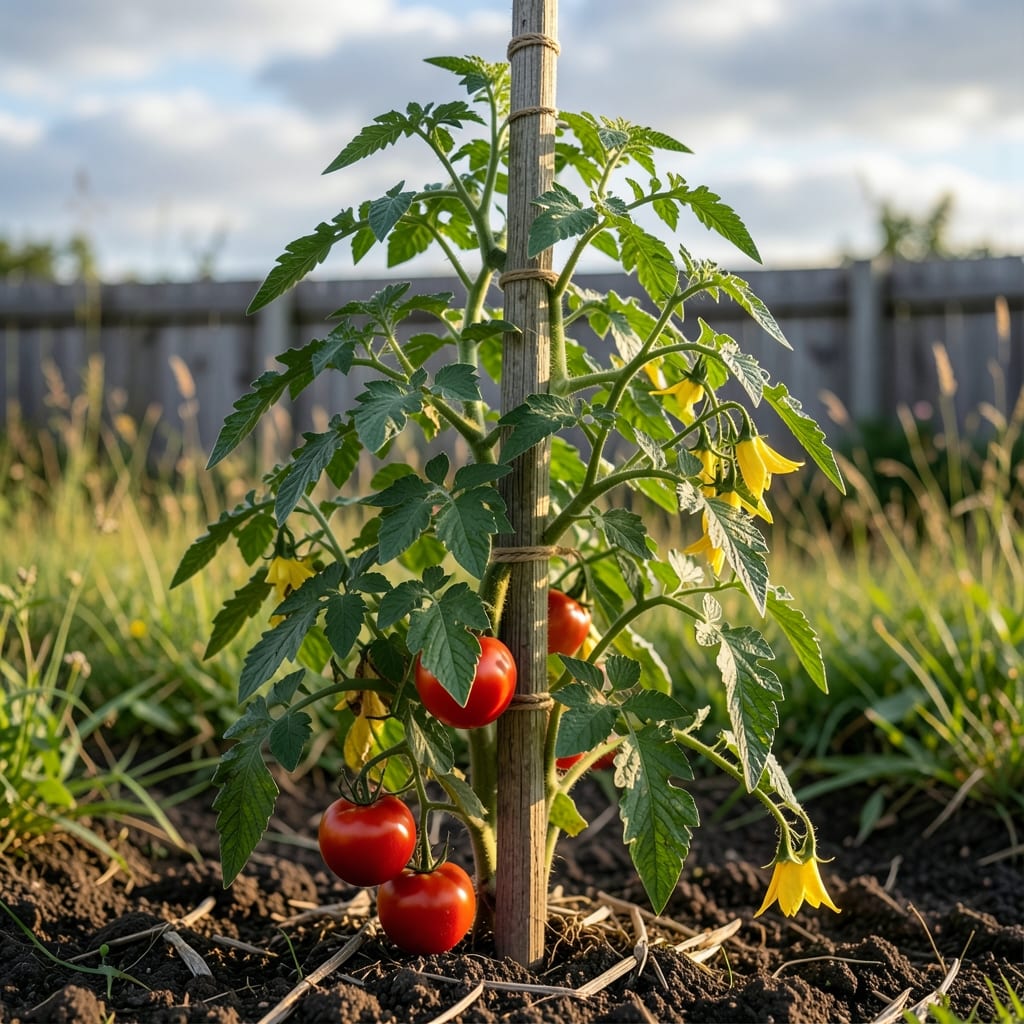
If you're wondering how tall do Big Beef tomato plants grow, you're not alone—these lush, productive varieties can stretch surprisingly high, often reaching 4 to 6 feet or even taller with the right conditions. That means your backyard 🍅 might soon have a towering tomato vine that rivals your fence, if you don’t plan ahead.
But don’t let their height scare you off—these giants are worth the space. With proper care, you can manage their growth while still enjoying a bumper crop of those sweet, beefy tomatoes you love. The key lies in understanding their natural growth patterns and how simple adjustments like pruning or trellising can keep them in check.
Whether you're a first-time gardener or a seasoned pro, knowing how to guide these plants upward (instead of letting them sprawl) makes all the difference. I’ll show you exactly how to support them, when to trim, and how to maximize your harvest without sacrificing your garden’s layout.
Ready to grow like a pro? Let’s dive into the secrets of keeping your Big Beef tomatoes thriving—no matter how tall they climb.


Big Beef tomato plant height by variety: what to expect and how it compares
When you plant Big Beef tomato varieties, you’re inviting a 6-foot-tall (or taller) superstar into your garden. These indeterminate plants keep growing until frost, making them one of the tallest heirloom-style tomatoes available. Unlike their determinate cousins (which max out at 3-4 feet), Big Beefs climb like jungle vines if left unchecked.
But here’s the catch: their height isn’t just about space—it’s about yield potential. Each foot of vine can produce dozens of 1-pound tomatoes, but only if you give them the right support. Without trellising or pruning, they’ll sprawl across your garden like an unruly teenager, competing with other plants for sunlight and nutrients.
Let’s break down what to expect from different Big Beef varieties and how their growth habits compare. Whether you’re working with the classic Big Beef Red or a newer hybrid like Big Beef Yellow, understanding these differences will help you plan your garden layout and support system.
I’ve gathered data from home gardeners and extension services to give you real-world measurements. Most Big Beef plants hit 4 to 6 feet in ideal conditions, but some can stretch to 8 feet or more if they’re over-fertilized or under-supported. That’s why knowing your variety’s tendencies is half the battle.
Visual Comparison: Imagine a Big Beef tomato plant reaching the height of a standard doorframe (6.5 feet). Now picture it sprawling across your patio or fence—without support, it’s a recipe for tangled vines and missed harvests. The good news? With the right trellis or cage, you can guide that growth upward and keep your garden tidy.
Big Beef Tomato Height Comparison
| Variety | Growth Habit | Mature Height | Notes |
|---|---|---|---|
| Big Beef Red | Indeterminate | 4–6 ft | Classic variety; needs strong trellis |
| Big Beef Yellow | Indeterminate | 5–7 ft | Slightly taller; prune aggressively |
| Big Beef Cherry | Indeterminate | 3–5 ft | More compact; great for containers |
| Big Beef Black Cherry | Indeterminate | 4–6 ft | Dark fruit; needs vertical support |
| Determinate (e.g., Roma) | Determinate | 3–4 ft | Shorter; bushier growth |
*Height varies based on pruning, sunlight, and soil nutrients. Always use a support structure for indeterminate varieties.
If you’re growing Big Beef tomatoes in containers, expect slightly shorter plants—around 3 to 5 feet—because root space limits their vertical growth. But don’t let that fool you into thinking they’re low-maintenance. These plants still need regular pruning and sturdy stakes to prevent toppling.
One common misconception is that taller Big Beef plants always mean more tomatoes. While height can correlate with yield, it’s not the only factor. Poor pruning or overcrowding can stunt fruit production, even on a 6-foot-tall vine. The key is balancing vertical growth with horizontal fruit set.
For example, my neighbor’s Big Beef Red reached 7 feet last summer, but because he didn’t prune the suckers (those little shoots in the leaf axils), the plant put all its energy into foliage instead of fruit. The result? A towering green monster with only a handful of tomatoes. Lesson learned: prune early and often!
Here’s a pro tip: If you’re short on space, opt for Big Beef Cherry varieties. They grow slightly shorter (3 to 5 feet) and produce clustered fruit, making them easier to manage in small gardens or balconies. Plus, the sweet-tart flavor of cherry tomatoes is a game-changer for snacking.
Ready to put this knowledge into action? In the next section, I’ll walk you through trellising and pruning techniques that’ll keep your Big Beef tomatoes tall, productive, and tidy—without sacrificing a single juicy fruit. Let’s get growing!
Trellising and pruning tips to control Big Beef tomato height without sacrificing yield
Now that you know Big Beef tomatoes can reach 4 to 7 feet, the next step is managing that growth to keep your plants productive and contained. The secret lies in trellising and pruning, two techniques that work together to guide your plants upward while maximizing fruit production. Without these, your 6-foot-tall vine could become a tangled mess, shading out other plants and reducing your harvest.
I’ve learned through trial and error that pruning isn’t about hacking off branches willy-nilly—it’s about strategic cuts to encourage stronger stems and more fruit. Start by removing suckers (those small shoots that grow in the leaf axils) when they’re about 2 inches long. These energy vampires drain your plant’s resources, diverting them from tomato production. Aim to keep 2-3 main stems for optimal airflow and sunlight penetration.
For trellising, choose a sturdy support system like a tomato cage, wooden stake, or A-frame trellis. Big Beefs need something taller than 6 feet—think 7 to 8 feet—to accommodate their full height. I recommend galvanized wire cages (like those from Gardener’s Supply) because they’re rust-resistant and durable. If you’re growing against a fence or wall, use twine or soft ties to gently weave the vines upward, avoiding anything that could damage the stems.
Pro Tip: If you’re growing in containers, opt for a 5-foot-tall cage and prune more aggressively to control height. Container-grown Big Beefs still need support—they just can’t stretch as tall as their in-ground counterparts. The key is balancing pruning with support to prevent the plant from becoming top-heavy and toppling over.
Step-by-Step Trellising & Pruning Guide
- Step 1: Install Support Early
Set up your trellis or cage at planting time. Bury stakes 6 inches deep for stability.
- Step 2: Prune Suckers Weekly
Remove suckers (shoots in leaf axils) when they’re 2 inches tall to redirect energy to fruit.
- Step 3: Train Vines Upward
Gently tie main stems to the trellis every 12 inches to prevent snapping.
- Step 4: Thin Fruit Clusters
Leave 5-7 tomatoes per cluster to avoid overloading branches and improve size.
- Step 5: Prune Lower Leaves
Remove leaves below the first fruit cluster to improve airflow and reduce disease risk.
*Always use clean, sharp pruners to avoid damaging stems or spreading disease.
One mistake I see often is over-pruning, which can reduce fruit production. Big Beefs need some foliage to photosynthesize and support their heavy fruit load. Aim to keep 30-40% of the plant’s leaves—just enough to shade the fruit from sunburn while allowing light to reach the lower branches. If you prune too aggressively, you’ll end up with a leggy, fruitless vine instead of a productive powerhouse.
For disease prevention, always prune in the morning so wounds have time to heal before evening moisture sets in. Use 70% isopropyl alcohol to sterilize your pruners between cuts, and avoid pruning during hot afternoons to prevent shock. I also recommend mulching around the base with straw or shredded leaves to keep soil moisture consistent and reduce stress on the plant.
Ready to put these tips into action? With the right trellis and pruning routine, your Big Beef tomatoes will grow tall and productive—without taking over your garden. Next, I’ll cover the common mistakes that cause these plants to grow too tall or too wild, and how to fix them before it’s too late.