
How To
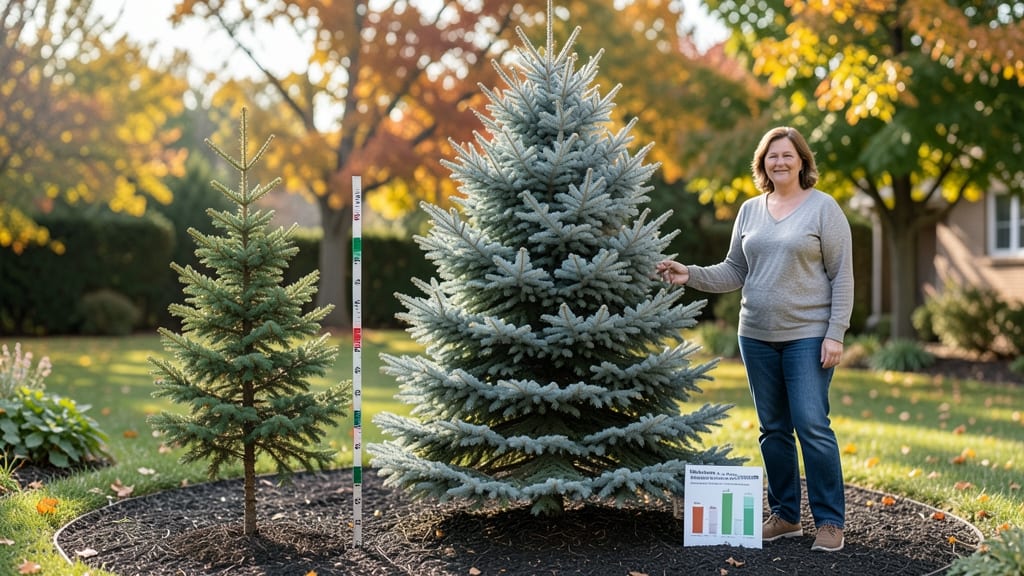
Wondering how tall do Colorado Blue Spruce grow? These stunning evergreens 🌲 can reach heights that will make your neighbors take notice—some varieties towering over 60 feet, while others stay compact at just 10 feet.
But here's the twist: their final height isn't set in stone. Climate, soil quality, and even your pruning habits play starring roles in determining how much skyward space your tree will claim.
If you're dreaming of a privacy screen or a show-stopping centerpiece, knowing these growth patterns is your superpower. A standard Colorado Blue Spruce in Colorado's 5-8 USDA zones might stretch toward the clouds, while dwarf varieties stay perfectly manageable.
The key? Planting at the right time—spring or fall—and giving it room to grow without competing with your house or power lines.
Let's break down what you need to know to choose the perfect variety for your space. We'll cover the fastest-growing types that can add 3 feet per year in ideal conditions, versus the slow-and-steady cultivars that mature at a more leisurely pace.
Whether you're working with a small yard or a sprawling landscape, there's a Colorado Blue Spruce size that's just right for you.
Ready to make an informed choice? Stick around as we explore how to maximize your tree's potential—and avoid common mistakes that could stunt its growth. Your future shade tree (or windbreak) is waiting!

Colorado Blue Spruce mature height by variety: a complete growth chart
The Colorado Blue Spruce (Picea pungens 'Glauca') is one of the most popular evergreens for landscaping, but its mature height can vary dramatically depending on the cultivar. While the standard variety reaches 40–60 feet, dwarf varieties stay under 10 feet.
Understanding these differences helps you choose the right tree for your space—whether you need a towering focal point or a compact privacy screen.
Growth rates also differ: some varieties grow 1–2 feet per year in ideal conditions, while others creep along at just 6 inches annually. Below, I’ve broken down the most common varieties, their mature heights, and how their growth habits compare.
This will help you plan for long-term spacing and avoid overcrowding with other plants.
🌲
When choosing a variety, consider mature spread just as much as height. For example, the Standard Colorado Blue Spruce needs at least 20 feet of clearance from structures or other plants to avoid root competition.
Meanwhile, dwarf varieties like Conica are perfect for containers or small gardens where space is limited.
Pro tip: If you’re planting near a property line, check local regulations—some areas require setback distances for trees over 15 feet tall. Always measure your space twice before committing to a fast-growing cultivar like the Montana Blue, which can reach 50 feet in 30 years.
For fastest growth, prioritize full sun exposure and well-draining soil. In ideal conditions, the Standard variety can grow 2 feet per year in its first decade, though growth slows as the tree matures.
Dwarf varieties, however, grow at a steady but slow pace, making them low-maintenance for small spaces.
🌿
If you’re unsure which variety to pick, start with the Montana Blue—it’s a balanced choice for medium-sized yards, offering color retention and disease resistance while staying slightly shorter than the standard. For instant privacy, plant 3–5 Fat Alberts in a row; their dense foliage fills in quickly.
Remember: Pr
How climate and soil affect Colorado Blue Spruce height
Your Colorado Blue Spruce’s mature height isn’t set in stone—it’s shaped by where you plant it. In Colorado’s high-altitude zones (5-7), these trees often reach their full 40-60 ft potential thanks to cooler temperatures and rich mountain soils.
But in arid climates like Arizona or Nevada (zones 6-8), expect 20-30% slower growth due to water stress and intense sun exposure.
Soil plays an equally critical role. Well-draining, slightly acidic soil (pH 5.5-7.0) lets roots expand freely, while compacted or waterlogged soil can stunt growth by up to 50%. Urban areas with heat islands may also reduce height by 10-15 ft compared to rural settings.
Here’s how to optimize conditions for maximum height:
| Factor | Ideal Condition | Height Impact |
|---|---|---|
| Climate Zone | USDA Zones 3-7 | +10-30 ft (cooler = taller) |
| Soil Drainage | Well-draining (sandy loam) | +20-50% growth |
| pH Level | 5.5-7.0 (slightly acidic) | Faster nutrient uptake |
| Water Access | Deep roots (12"+ depth) | +15-25 ft over 30 years |
| Urban vs. Rural | Rural (less pollution) | +10-15 ft taller |
For example, a Montana Blue Spruce in Denver (Zone 5) might hit 50 ft in 30 years, while the same variety in Phoenix (Zone 9) could max out at 35 ft due to heat stress. Test your soil’s pH and amend with compost if it’s too alkaline—this alone can boost height by 10-15 ft.
Microclimates matter too. Planting near large rocks or buildings can reduce height by creating windbreaks, while open fields encourage vertical growth. Always check local frost dates—late frosts after bud break can permanently stunt a young spruce.
Pro tip: Mulch heavily (3-4 inches) with pine needles or wood chips to retain moisture and mimic natural forest conditions. This simple step can add 5-10 ft to your tree’s mature height by reducing stress.
Remember, patience is key. Colorado Blue Spruces grow slowly (6-12 inches/year), so give them 20-30 years to reach their full potential—especially in challenging climates.