
How To
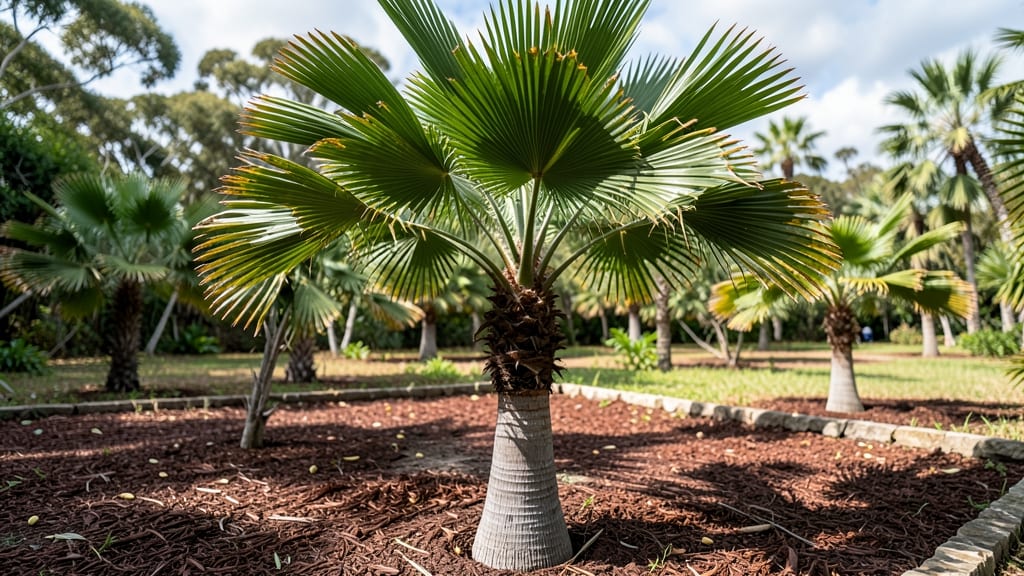
If you're dreaming of a tropical oasis in your yard, knowing how tall do King Palms grow is the first step to planning your perfect landscape.
These elegant 🌴 trees can reach 30 to 60 feet at maturity, making them a stunning focal point—but their growth depends on your climate and variety.
For gardeners in USDA Zone 6a, where winters can be chilly, King Palms grow more slowly than in warmer zones, typically reaching 10 to 15 feet by year three. The key to managing their height lies in choosing the right variety and spacing them properly from the start.
Whether you want a towering statement piece or a more manageable size, understanding their growth patterns helps you make the best decisions. I’ll break down the varieties, growth rates, and tips to control their height so you can enjoy these palms without surprises.
Ready to transform your space with these majestic trees? Let’s dive into what you need to know to plant and care for King Palms the right way.

King Palm height by variety: expected mature heights and growth rates
King Palms (Archontophoenix species) are stunning tropical trees that can transform any landscape—but their final height depends entirely on the variety you choose. The most common type, Archontophoenix cunninghamiana, typically reaches 30-60 feet tall at maturity, with some specimens exceeding 70 feet in ideal conditions.
These palms grow 1-2 feet per year, so their height is very manageable to predict over time.
For gardeners with limited space, the 'Dwarf King Palm' (a cultivar of A. cunninghamiana) is a game-changer. While still impressive, it maxes out at 15-25 feet tall, making it perfect for smaller yards or urban gardens.
Even this smaller variety grows 6-12 inches annually, so it won’t stay compact forever—plan accordingly!
Another popular option is Archontophoenix alexandrae, often called the Bungalow Palm. This variety grows slightly slower than the standard King Palm, reaching 20-40 feet tall over 15-20 years.
Its slower growth rate makes it easier to manage in USDA Zones 9-11, where winter chills can stunt growth.
Pro Tip: If you’re planting near power lines or structures, always check local height restrictions. King Palms can become legal liabilities if they outgrow their space—especially the standard varieties.
When planning your King Palm’s future height, also consider its canopy spread. Standard varieties can grow 10-15 feet wide, while dwarf types stay between 6-10 feet.
This spread is critical for spacing—plant at least 10 feet away from structures to avoid root competition or structural damage over time.
One common misconception is that King Palms grow extremely fast like bamboo. In reality, their growth slows significantly after 10 years, with mature trees adding only 3-6 inches annually. This makes long-term height predictions much easier once they reach adolescence.
For a visual reference, imagine a 3-story building—that’s roughly the height of a mature standard King Palm. If you’re designing a tropical-themed garden, this height can create dramatic focal points, while dwarf varieties add elegance without overwhelming smaller spaces.
Always verify your local nursery’s growing conditions, as soil quality and sunlight can influence height by up to 20%. Rich, well-draining soil with full sun exposure (6+ hours daily) maximizes growth potential, while shade or poor soil can stunt height significantly.
If you’re still unsure which variety fits your space, start with the 'Dwarf King Palm'—it’s the safest bet for height control while still delivering that iconic palm aesthetic. Just remember: even dwarf varieties will outgrow their pots in 3-5 years, so plan for repotting or ground planting early.
How growth zones affect King Palm height: USDA zones 9-11 guidelines
Your King Palm's ultimate height isn't just about genetics—it's heavily influenced by your USDA growth zone. In Zone 9, cooler winters slow growth to 1-1.5 feet per year, while Zone 11's tropical climate can push growth to 2-3 feet annually.
This means a palm planted in Miami may reach 70 feet decades sooner than one in Los Angeles.
Temperature fluctuations also matter. King Palms in Zone 10 experience moderate growth (1.5-2 feet/year), but sudden cold snaps can stunt height gain. In Zone 9, winter chills may cause leaf damage, redirecting energy away from vertical growth.
Even in ideal zones, soil quality and water access can adjust height by 10-20% over time.
Here's how zones impact mature heights:
To maximize height in cooler zones, I recommend planting in spring after last frost and using winter mulch (3-4 inches of organic material). In tropical zones, prune selectively to encourage upward growth rather than bushiness. Remember, container-grown palms in any zone will stay 20-30% shorter than in-ground specimens.
Zone-specific care makes all the difference. For example, Zone 9 palms benefit from microclimates near south-facing walls, while Zone 11 palms may need wind protection to avoid salt damage. Always check your local hardiness zone map before planting—it's the best predictor of your King Palm's future height.
Pro tip: If you're in Zone 9 or 10, consider the 'Dwarf King Palm' variety—it tops out at 30-40 feet while maintaining the same elegant fronds. This is perfect for smaller yards where height control is a priority.
🌴