
How To
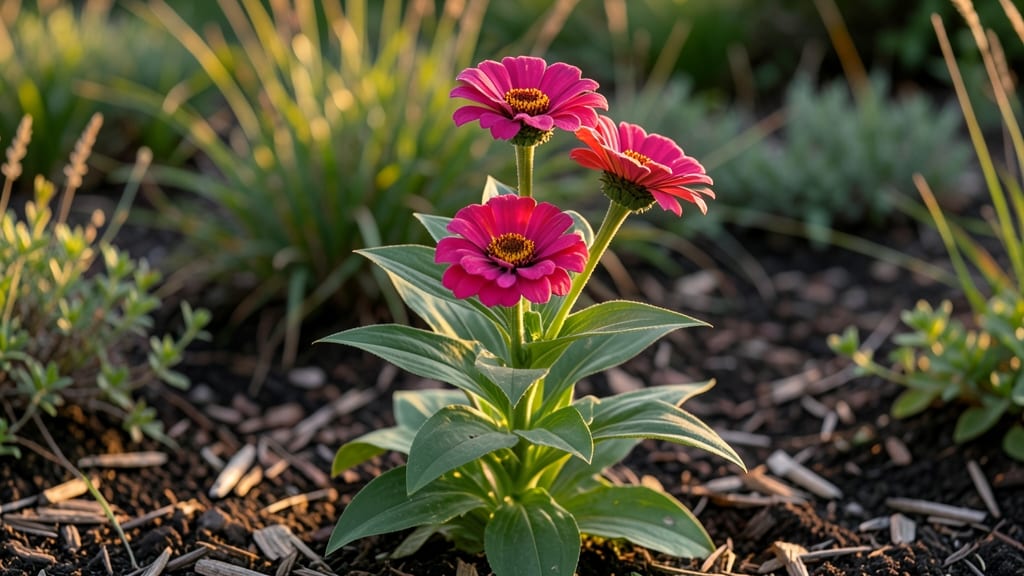
If you're dreaming of a colorful, low-maintenance garden but worried about space, how tall do Lilliput zinnias grow?—these tiny powerhouses typically reach 6 to 12 inches tall, making them perfect for small gardens, containers, or even window boxes.
What makes these compact bloomers so special? Unlike their towering cousins, Lilliput zinnias stay neatly contained, spreading 12 to 18 inches wide while packing a punch with vibrant flowers. Whether you're a beginner or a seasoned gardener, their manageable size means less fuss and more fun.
Ready to transform your space? I’ll break down everything you need to know—from spacing tips to sunlight secrets—to help your Lilliput zinnias thrive without overcrowding. Let’s get growing!
Bonus: Their petite stature also means they pair beautifully with herbs, lettuce, or other small plants, creating a stunning, space-efficient display. Stay tuned for care tricks that’ll keep them blooming all season!

Lilliput zinnia height range: what to expect from this dwarf variety
If you're dreaming of a colorful, low-maintenance garden but worry about space constraints, Lilliput zinnias are here to save the day. These charming little bloomers typically reach a mature height of 6 to 12 inches, making them perfect for containers, window boxes, or tight garden beds.
Their compact stature doesn’t mean they skimp on beauty—in fact, they pack a punch with bright blooms in shades of pink, red, yellow, and orange.
One of the reasons I love Lilliput zinnias is their predictable growth habit. Unlike their towering cousins, these stay neatly within their 1-foot height limit, but don’t let their size fool you—they spread 12 to 18 inches wide, creating a lush, bushy appearance.
This makes them ideal for border plantings or mass plantings where you want a dense, colorful display without the height.
Now, let’s talk about what affects their height. Sunlight exposure plays a huge role—full sun (6+ hours daily) encourages them to reach their maximum potential height of 12 inches, while partial shade might keep them shorter but could also reduce bloom production.
I’ve noticed in my own garden that Lilliput zinnias in south-facing beds grow taller and bushier than those in morning-only sun.
Here’s a quick visual guide to their growth characteristics, so you can plan your garden layout like a pro:
| Characteristic | Details |
|---|---|
| Mature Height | 6–12 inches |
| Spread Width | 12–18 inches |
| Growth Habit | Bushy, compact |
| Sunlight Needs | Full sun (6+ hours) |
| Soil Type | Well-draining, average fertility |
| Bloom Time | Summer to early fall |
When planting Lilliput zinnias, spacing is key. I recommend giving each plant 8 to 12 inches of space in the ground to prevent overcrowding and promote airflow, which reduces the risk of powdery mildew.
In containers, you can plant 3 to 5 seedlings per 12-inch pot, as long as the pot has drainage holes and you’re using well-draining potting mix.
One of the best things about Lilliput zinnias is their versatility in garden designs. Their compact height makes them perfect for edging pathways, filling gaps in rock gardens, or adding pops of color to balcony planters.
I’ve even used them in hanging baskets where their trailing habit adds a whimsical touch to vertical spaces. Plus, their continuous blooming from summer to fall means you’ll enjoy months of vibrant color with minimal effort.
If you’re growing Lilliput zinnias in containers, keep in mind that their root system is shallow. This means they’ll need regular watering—about 1 cup per plant every 3 to 5 days—especially during hot, dry spells.
Mulching around the base of the plants helps retain moisture and keeps the soil cool and weed-free, which is a game-changer for small-space gardening.
For those of you who love cut flowers, don’t worry—Lilliput zinnias may be small, but they make adorable bouquets for tablescapes or small vases. Just be sure to deadhead spent blooms regularly to encourage more flowers and prevent the plant from putting energy into seed production.
I’ve found that cutting back the tips of leggy stems also helps promote bushier growth, keeping those compact dimensions in check.
In summary, Lilliput zinnias are a dream for small gardens thanks to their predictable 6–12-inch height and bushy growth habit. Whether you’re filling a window box, lining a walkway, or adding color to a patio, these little powerhouses deliver big blooms in tiny packages.
Just give them full sun, well-draining soil, and a little TLC, and they’ll reward you with months of cheerful flowers.
Lilliput zinnia height range: what to expect from this dwarf variety
If you're planning your small garden or container arrangements, knowing the Lilliput zinnia height is essential. These dwarf zinnias typically reach 12 to 18 inches at maturity—making them perfect for window boxes, patio pots, or border edges.
Their compact stature also means they won’t overwhelm your space while still delivering vibrant blooms from summer through fall.
The height range can vary slightly based on growing conditions. In full sun and well-draining soil, you’ll see the upper end (18 inches), while shadier spots or nutrient-poor soil may keep them closer to 12 inches.
Their spread width is equally important—expect 12 to 18 inches wide, creating a bushy, rounded shape ideal for mass planting or mixed containers.
| Growth Factor | Specification |
|---|---|
| Mature Height | 12–18 inches |
| Spread Width | 12–18 inches |
| Sunlight Needs | 6+ hours daily |
| Growth Habit | Bushy, rounded |
| Best For | Containers, borders, window boxes |
One of the biggest advantages of Lilliput zinnias is their consistent height, unlike taller varieties that may flop under heavy blooms. Their sturdy stems support 3 to 4-inch flowers without requiring staking, making them low-maintenance yet high-impact.
For container gardening, choose pots at least 12 inches deep to accommodate their root system while leaving room for companion plants like sweet alyssum or bacopa.
To encourage optimal height, ensure your Lilliput zinnias receive full sun exposure and well-draining soil. Overcrowding can stunt their growth, so space plants 8 to 12 inches apart in ground beds or 3 to 4 plants per 12-inch pot.
Regular deadheading (removing spent blooms) promotes continuous flowering and prevents height reduction from seed production.
If you’re using Lilliput zinnias in landscape designs, their compact size makes them ideal for edging pathways or filling gaps between larger perennials. Pair them with taller plants like salvia or snapdragons to create vertical interest without overwhelming your small-space garden.
Their bright colors also attract pollinators, adding an extra layer of ecological benefit.
Remember, while Lilliput zinnias are naturally short, their growth potential depends on your care routine. With the right sunlight, soil, and watering, you’ll enjoy bountiful blooms at their ideal height all season long. 🌼