
How To
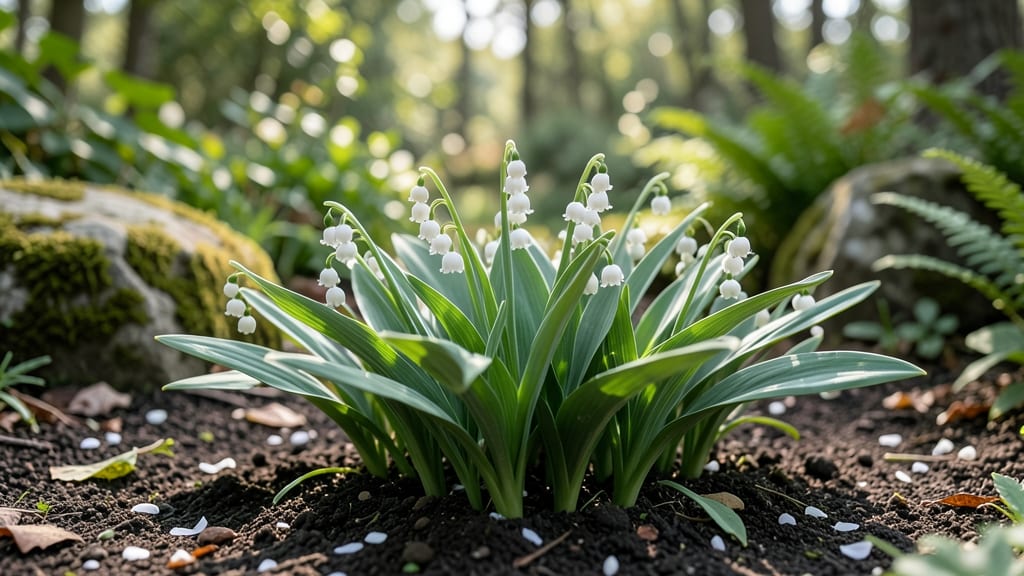
If you've ever wondered how tall do lily of the valley grow in your garden, the answer might surprise you—this delicate 🌸 beauty thrives in the 6a zone but rarely tops 1.5 feet at maturity.
What you don’t see above ground is just the beginning, though, because its sprawling rhizomes work underground to create lush, fragrant colonies over time.
The key to controlling height lies in where you plant it. Too much sun? Expect leggier stems reaching for shade. Too little? Your lily of the valley might stay compact but produce fewer blooms.
I’ll show you exactly how to strike that perfect balance—whether you want a tidy border or a wild, spreading ground cover.
Here’s the secret most gardeners miss: pruning isn’t just about tidying up. It’s how you guide growth—encouraging bushier habits or keeping stems in check. With the right timing and techniques, you can coax your plants to hit their ideal height and keep them blooming for years.
Ready to transform your shady spots into a fragrant paradise? Let’s dive into the factors that shape your lily of the valley’s height—and how to work with them, not against them.

Lily of the valley height by variety: from compact to towering
Lily of the valley (Convallaria majalis) is a charming perennial that typically matures between 1 and 1.5 feet tall, but its height can vary dramatically depending on the variety and growing conditions.
Most gardeners expect 12–18 inches of lush foliage topped with delicate bell-shaped blooms, but some rare cultivars can reach up to 2 feet under ideal circumstances.
The classic ‘Convallaria majalis’ variety stays compact, rarely exceeding 1 foot in height, making it perfect for woodland gardens or understory plantings. Meanwhile, ‘Albostriata’ and ‘Rosea’ varieties often grow slightly taller, reaching 14–18 inches when given ample moisture and partial shade.
If you’re aiming for a taller lily of the valley, consider ‘Fortunei’ or ‘Prolificans’, which can stretch toward 2 feet when planted in rich, well-draining soil. These varieties produce longer flower stalks and are excellent for borders or cottage-style gardens.
For dwarf varieties, look for ‘Compacta’ or ‘Miniature’ types, which rarely exceed 8–10 inches. These are ideal for container gardens or as edging plants in smaller landscapes.
Here’s how common varieties compare in height and growth habits:
When selecting a variety, consider your garden’s space constraints and light conditions. For example, ‘Fortunei’ thrives in partial shade but may lean toward 2 feet if given extra nutrients. Meanwhile, ‘Compacta’ stays tidy in containers or small beds, making it ideal for urban gardens.
Pro tip: If you’re planting lily of the valley in containers, choose dwarf varieties to prevent overcrowding. These plants spread via rhizomes, so even compact types can fill a 12-inch pot in just a few years.
For maximum height, focus on well-draining soil and consistent moisture. Avoid full sun, which can stunt growth and cause leaf scorch. Instead, mimic its natural woodland habitat with dappled shade and humus-rich soil.
🌿
Lily of the valley height by variety: from compact to towering
Lily of the valley (Convallaria majalis) is a charming perennial that typically matures between 12 to 18 inches tall, but its height can vary significantly based on the variety and growing conditions.
Some cultivars stay compact, while others reach their maximum height more quickly. Understanding these differences helps you plan your garden layout and manage expectations for growth.
Most gardeners plant lily of the valley for its fragrant blooms and lush foliage, but the height differences between varieties can influence where you place it.
For example, some dwarf varieties stay under 12 inches, making them perfect for borders or woodland gardens, while others can stretch toward 18 inches or slightly taller under ideal conditions.
| Variety | Height Range | Notes |
|---|---|---|
| Convallaria majalis (Standard) | 12–18 inches | Most common type; thrives in partial shade |
| 'Rosea' | 10–15 inches | Pink blooms; slightly shorter and bushier |
| 'Albostriata' | 12–16 inches | White-striped leaves; classic height |
| 'Fortunei' | 8–12 inches | Dwarf variety; ideal for small gardens |
| 'Prolificans' | 14–20 inches | Taller, more vigorous; spreads quickly |
If you're designing a garden with lily of the valley, consider pairing taller varieties like 'Prolificans' with shorter perennials to create visual interest. For example, planting it alongside heuchera or hostas (which stay under 12 inches) keeps the area lush without overwhelming the space.
One key factor influencing height is the plant’s age. In its first year, lily of the valley typically grows only 6 to 12 inches, focusing energy on establishing roots.
By the second year, it may reach 12 to 18 inches, and mature plants can occasionally exceed 18 inches if given optimal care.
For gardeners in USDA Zones 3–8, lily of the valley is hardy and reliable, but its height can still be influenced by local climate.
In cooler zones, it may stay slightly shorter due to slower growth, while warmer zones with mild winters can encourage slightly taller growth if moisture and shade needs are met.
Remember, lily of the valley spreads via rhizomes, which can lead to dense colonies over time. This spreading habit can also affect height, as crowded plants may produce shorter flower stalks due to competition for nutrients. Pruning and dividing clumps every 3–4 years helps maintain both height and vigor.