
How To
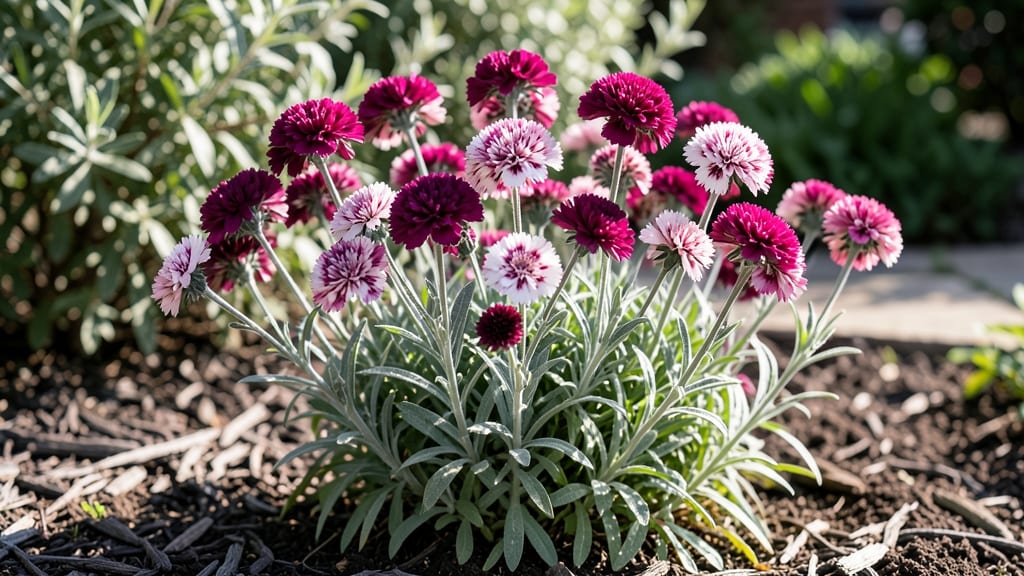
Sweet Williams height by variety: compact vs. tall varieties explained
Sweet Williams (Dianthus barbatus) come in a stunning array of heights, from compact varieties perfect for containers to tall cultivars that thrive in borders. The right choice depends on your garden design—whether you want a low border or a dramatic backdrop.
Most varieties fall between 8 inches and 24 inches at maturity, but some can stretch even taller with ideal conditions.
If you're planning a flower bed, dwarf varieties like 'Matrix' create neat, colorful edges, while taller types like 'Fireworks' add vertical interest. Understanding these ranges helps you avoid overcrowding and ensures each plant has room to flourish.
Let’s break down the most popular varieties by their mature heights and ideal uses.
🌱 Visual Guide: Below is a quick comparison of dwarf, semi-dwarf, and standard Sweet Williams varieties, including their height ranges, spacing needs, and best planting scenarios.
| Variety | Mature Height | Spacing | Best For |
|---|---|---|---|
| 'Matrix' | 8–12 inches | 6–8 inches apart | Containers, rock gardens, borders |
| 'First Love' | 12–18 inches | 8–10 inches apart | Mass plantings, cottage gardens |
| 'Fireworks' | 18–24 inches | 10–12 inches apart | Backdrops, mixed borders, cut flowers |
| 'Joker' | 10–16 inches | 7–9 inches apart | Hanging baskets, window boxes |
| 'Cupcake' | 6–10 inches | 5–7 inches apart | Fairy gardens, small pots |
For container gardening, choose dwarf varieties like 'Matrix' or 'Cupcake'—they thrive in 5–7 inch pots and spill over edges beautifully. If you're aiming for a bold statement, taller types like 'Fireworks' or 'First Love' create stunning vertical accents.
Pro tip: Plant taller varieties at the back of borders and shorter ones in the front for a layered look.
Height isn’t the only factor—soil quality and sunlight exposure also influence growth. Sweet Williams in full sun (6+ hours daily) tend to grow taller and produce more blooms, while those in partial shade may stay shorter but still vibrant.
Always check your variety’s care tags for specific advice, as some hybrids are bred for compactness.
If you're unsure which variety to pick, start with 'First Love'—it’s a versatile medium-height option that works in almost any garden setting. For cut flowers, taller varieties like 'Fireworks' provide long stems perfect for bouquets. Just remember: overcrowding can stunt growth, so always follow the spacing guidelines above.
One more tip: If you’re growing Sweet Williams in containers, choose a pot that’s at least twice as wide as the plant’s mature height. This gives roots room to spread and prevents leggy growth. For example, a 12-inch-tall variety needs a 24-inch-wide pot for optimal health.
Now that you know the height ranges, you can confidently plan your Sweet Williams displays—whether you want a neat border, a colorful container, or a dramatic backdrop. The key is matching the variety to your space and care routine. Happy planting!
Sweet Williams height by variety: compact vs. tall varieties explained
Sweet Williams (Dianthus barbatus) offer a stunning range of heights, from compact dwarf varieties perfect for containers to tall standard types that anchor borders. The key to planning your garden lies in understanding these height differences—so you can place them where they’ll thrive without crowding other plants.
Whether you want a neat 8-inch border or a waist-high statement, there’s a variety for every space.
Most gardeners assume all Sweet Williams reach the same height, but the truth is far more exciting. Some varieties stay under a foot tall, while others can stretch to nearly 24 inches.
This variation lets you mix and match for layered displays or create dramatic vertical accents. For example, ‘Matrix’ series stays compact, while ‘Fireworks’ reaches its full height with bold, upright stems.
| Variety | Height Range | Spacing Needs | Best For |
|---|---|---|---|
| ‘Matrix’ Series | 8–12 inches | 6–8 inches apart | Containers, edging, rock gardens |
| ‘First Love’ | 12–18 inches | 8–10 inches apart | Borders, cottage gardens |
| ‘Fireworks’ | 18–24 inches | 10–12 inches apart | Back of borders, cut flowers |
| ‘Joker’ Series | 10–14 inches | 7–9 inches apart | Mass plantings, window boxes |
If you’re growing Sweet Williams in containers or window boxes, opt for dwarf varieties like ‘Matrix’ or ‘Joker’—they’ll spill beautifully without overwhelming small spaces. For backyard borders or cottage gardens, the taller ‘Fireworks’ or ‘First Love’ varieties create stunning vertical interest.
Pro tip: Check seed packets or plant tags for exact height ranges, as some nurseries may carry unique hybrids with slightly different growth habits.
Another factor to consider is mature height vs. first-year growth. Most varieties start smaller in their first season (often 12–18 inches) but can reach their full height by their second year.
This means if you’re planting Sweet Williams in spring, they’ll likely fill out more dramatically next summer. Plan your garden layout with this in mind—especially if you’re pairing them with slower-growing perennials.
For cut flower arrangements, taller varieties like ‘Fireworks’ or ‘First Love’ work best because their sturdy stems hold up well in vases. If you’re growing Sweet Williams primarily for their fragrance and border appeal, the mid-height ‘Joker’ series offers a perfect balance of height and manageability.
And don’t forget: deadheading spent blooms encourages continuous flowering, which can slightly affect plant height over time—removing faded flowers redirects energy to bushier growth rather than seed production.
One common mistake is assuming all Sweet Williams need the same spacing. Overcrowding dwarf varieties can lead to leggy stems and fewer blooms, while under-spacing taller types might leave gaps in your design.
Always follow the spacing guidelines for each variety—it’s the secret to a lush, healthy display that looks intentional and thrives year after year. 🌸