
How To
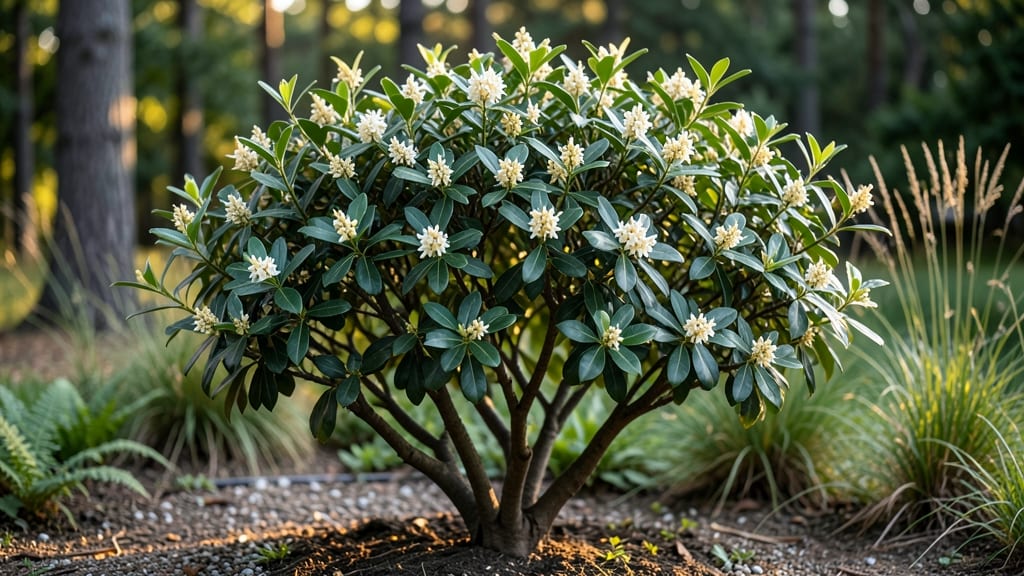
Wondering how tall do tea olives grow before they outgrow your garden? These versatile shrubs typically reach 6 to 10 feet at maturity, making them perfect for medium-sized yards or even large containers—if you prune them regularly.
Unlike their towering Mediterranean cousins, tea olives (Canarium album) grow at a steady pace, adding just 6 to 12 inches per year, so you’ll have plenty of time to shape them to your space’s needs.
What makes tea olives so appealing is their dual-purpose nature: they’re prized for both their edible leaves (used like tea) and their attractive, glossy foliage. Whether you’re growing them for harvest or as an ornamental shrub, understanding their growth habits is key to keeping them in check.
With the right care—like pruning in late winter and ensuring full sun—they’ll stay manageable while still delivering that harvest-ready flavor by October.
If you’re working with limited space, don’t worry—tea olives adapt well to containers, especially dwarf varieties. Even in pots, they’ll stay between 3 and 6 feet tall with consistent pruning.
Plus, their moderate drought tolerance means they’re low-maintenance once established, freeing up more time for enjoying their benefits—whether that’s brewing tea from the leaves or simply admiring their lush greenery.
Ready to grow your own? I’ll walk you through everything you need to know—from choosing the right variety for your space to pruning techniques that keep them at your ideal height. Let’s get started!

Tea olive tree height by variety: mature sizes and growth rates
Tea olives (Canarium album), often confused with Mediterranean olives, are tropical evergreens prized for their silvery foliage and edible fruits. Unlike their Mediterranean cousins, tea olives grow much taller—typically reaching 30–60 feet in ideal conditions—but their height varies dramatically by variety and growing environment.
Understanding these differences helps you choose the right type for your space, whether it's a sprawling backyard or a container on your patio.
Most tea olive varieties fall into three height categories: dwarf (10–15 feet), medium (20–35 feet), and standard (40–60 feet). The 'Azuay' variety, often marketed as a compact option, still tops out at 20–25 feet without pruning.
Meanwhile, wild-type tea olives can dwarf even large shade trees if given enough space and time.
Growth rates also vary: younger trees gain 12–24 inches per year, while mature specimens slow to 6–12 inches annually. Coastal regions with high humidity accelerate growth, while inland areas may see stunted development. Soil drainage plays a critical role—waterlogged roots can halt growth entirely.
Here’s how popular tea olive varieties compare in terms of mature height and growth habits:
Climate zones also influence height: tea olives thrive in USDA Zones 10–11 but can survive as far north as Zone 9 with winter protection. In cooler zones, growth slows significantly, often capping mature heights at 15–20 feet.
For example, a 'Little Ollie' in Zone 10 might reach 12 feet, while the same variety in Zone 9 may only hit 8–10 feet.
If you’re planning for shade, consider that tea olives develop a broad canopy—15–25 feet wide at maturity. This makes them ideal for privacy screens or street-tree alternatives, but their sprawling habit requires ample horizontal space. For smaller spaces, prioritize dwarf varieties or aggressive pruning.
One common misconception is that tea olives grow like Mediterranean olives (Olea europaea), which stay under 20 feet. Tea olives are tropical relatives with faster, taller growth patterns.
Their silver-blue foliage and edible fruits (similar to olives but milder) make them a unique addition to gardens, but their size demands careful planning.
For container growing, even 'Little Ollie' needs a 15–20 gallon pot to accommodate its roots. Without proper root space, growth stalls, and the tree may never reach its full height potential. Always use a well-draining mix with perlite or sand to prevent root rot, which can severely limit height.
🌿
How to control tea olive tree height through pruning and training
Pruning isn’t just about shaping your tea olive tree—it’s the secret to controlling its height and keeping it within your desired garden space. Without proper pruning, even dwarf varieties like 'Little Ollie' can grow taller than expected.
The key is timing, technique, and consistency. Start by pruning in late winter or early spring before new growth begins, which encourages healthier, more controlled growth throughout the year.
For small gardens or container growing, aim to keep your tea olive between 6–10 feet tall. Use selective pruning to remove upward-growing branches first, redirecting energy to lateral branches.
This creates a fuller, bushier shape while keeping the overall height manageable. Avoid heavy pruning in summer, as this can stress the tree and stunt growth.
Here’s how to prune like a pro for height control:
Identify and cut out vertical water sprouts—these fast-growing shoots that shoot straight up. They steal energy and make your tree taller faster.
Look for crossing or rubbing branches and prune them back to the nearest outward-facing bud. This improves airflow and prevents disease.
Use a central leader pruning style (one main trunk) or an open vase shape to distribute growth evenly. Avoid cutting into old wood—focus on young, flexible branches.
Do a light maintenance prune in summer to remove only damaged or overgrown branches. Avoid heavy cuts, as this can shock the tree.
Remove dead or diseased branches in fall to prepare the tree for winter. Sterilize your pruners with rubbing alcohol to prevent spreading pathogens.
One of the most common mistakes gardeners make is pruning too late in the season, which can leave branches vulnerable to frost damage. Another is over-pruning, which removes too much foliage at once and stresses the tree.
Stick to removing no more than 25% of the tree’s canopy in a single session to keep it healthy and encourage steady growth.
For container-grown tea olives, pruning is even more critical. Since roots are confined, the tree focuses its energy upward, making height control a priority. Use regular pinching of new growth tips to encourage bushier growth.
Combine this with annual root pruning (gently trimming roots when repotting) to keep both height and root spread in check.
With the right pruning routine, you can enjoy a tea olive tree that stays at your ideal height—whether that’s a 6-foot patio tree or a 10-foot backyard centerpiece. Just remember: patience and consistency are key! ✂️