
Plants
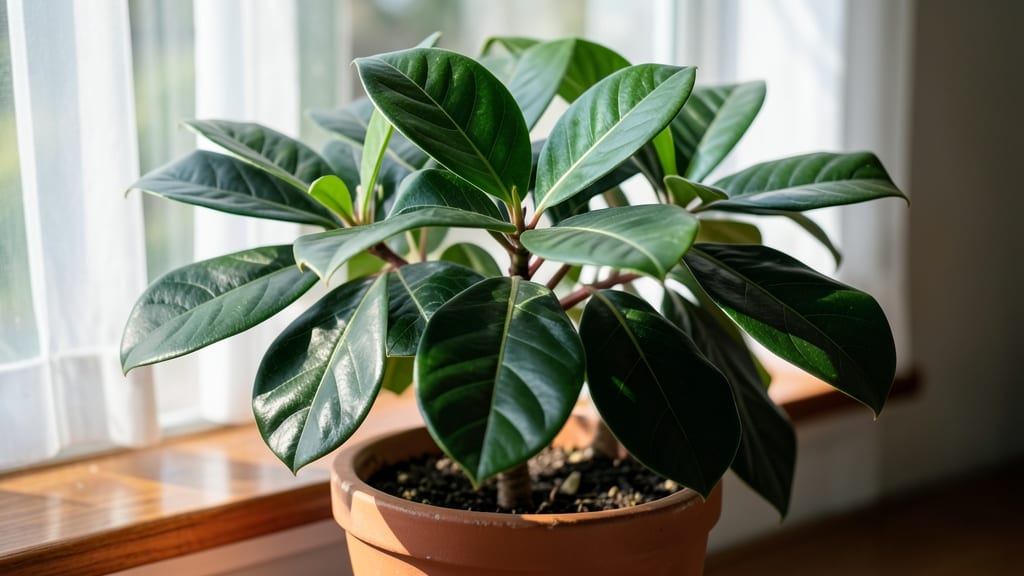
If you're wondering how tall do umbrella plants grow, the answer might surprise you—these tropical beauties can stretch from a modest 2 feet to a towering 6 feet, depending on the variety and care.
Whether you're dreaming of a lush indoor statement piece or planning an outdoor privacy screen, understanding their growth potential is the first step to creating the perfect space for your 🌿 umbrella plant.
Some varieties, like the popular Schefflera actinophylla, naturally reach heights of 4-6 feet when given ideal conditions, while others stay more compact.
The key to managing their size lies in light exposure, pruning, and container choices—all factors that can either encourage rapid growth or keep them at a manageable height for small spaces.
What most gardeners don’t realize is that these plants grow faster indoors than outdoors in cooler climates like USDA Zone 6a. With the right care, you can guide their growth to fit your needs—whether that means a 3-foot tabletop centerpiece or a 6-foot living room focal point.
Let’s break down exactly what to expect and how to shape their growth from the start.
From dwarf varieties perfect for apartments to standard types that thrive in sunrooms, we’ll cover everything you need to know. You’ll learn how to control their height, spot common growth mistakes, and even accelerate their development if you’re aiming for that dramatic, room-filling look.
Ready to transform your space with this versatile plant?

Umbrella plant height by variety: exact growth expectations
Umbrella plants (Schefflera spp.) are prized for their striking foliage and adaptability, but their mature height varies dramatically by variety. Some stay under 3 feet, perfect for shelves, while others can reach 10 feet in ideal outdoor conditions.
Understanding these differences helps you choose the right plant for your space and care routine.
Most popular varieties fall into three height categories: dwarf (2–4 ft), standard (4–6 ft), and large (6–10 ft). The dwarf varieties like Schefflera arboricola 'Trinette' are designed for indoor spaces, while outdoor giants like Schefflera actinophylla can dominate a garden bed if unchecked.
Here’s how to match your space to the right variety—plus how to maximize or control growth based on your environment.
| Variety | Mature Height (Indoor/Outdoor) | Growth Rate | Ideal Location | Notes |
|---|---|---|---|---|
| Schefflera arboricola 'Trinette' | 2–4 ft (indoor) | Slow to moderate | Bright indirect light | Dwarf variety; great for small spaces |
| Schefflera actinophylla (Australian Umbrella Tree) | 6–10 ft (outdoor), 4–6 ft (indoor) | Moderate to fast | Full sun to partial shade | Needs pruning to control height |
| Schefflera elegantissima (Laceleaf Schefflera) | 3–5 ft (indoor) | Moderate | Bright indirect light | Variegated leaves; slower growth |
| Schefflera heptaphylla (Seven-Leaf Schefflera) | 5–8 ft (outdoor), 3–5 ft (indoor) | Fast | Partial shade | Tropical appearance; needs humidity |
| Schefflera venulosa (Miniature Umbrella Plant) | 1–2 ft (indoor) | Slow | Bright indirect light | Perfect for desks or shelves |
If you’re growing umbrella plants indoors, container size plays a huge role in height. A smaller pot (6–8 inches) restricts root growth, keeping plants under 3 feet, while a large container (12+ inches) encourages taller growth.
For outdoor plants, pruning annually can maintain a manageable height, even for fast-growing varieties like Schefflera actinophylla.
Light exposure also affects height. Plants grown in low light tend to stretch (etiolation), becoming leggy and reaching for sunlight. To prevent this, place your umbrella plant within 3–5 feet of an east-facing window or use a grow light for 12–14 hours daily.
This ensures bushier, more compact growth.
For gardeners in USDA Zones 9–11, outdoor umbrella plants can thrive year-round, reaching their full height potential. In cooler climates (Zones 6–8), treat them as container plants and bring them indoors before the first frost. Even in containers, they’ll still grow 2–3 feet per year if given proper care.
One common misconception is that all umbrella plants grow equally tall. In reality, dwarf varieties like Schefflera venulosa are bred to stay small, while standard types like Schefflera arboricola will naturally grow taller unless pruned. Always check the specific variety’s care tag for accurate height expectations.
Pro tip: If you want a taller umbrella plant, focus on outdoor placement and regular fertilization during the growing season (spring–summer). For shorter, bushier plants, prioritize bright indirect light and container-bound roots. Both approaches work—it’s all about your goal!
🌿
How to control umbrella plant height: pruning & care tips
Managing the height of your umbrella plant (Schefflera) is easier than you think! With the right pruning techniques and care adjustments, you can keep it compact for small spaces or encourage it to reach its full tropical grandeur.
The key lies in understanding how light exposure, container size, and pruning timing influence growth.
For indoor plants, limiting height often means controlling light levels. Place your umbrella plant near an east-facing window for bright indirect light, which slows vertical growth while maintaining lush foliage.
Too much direct sun can cause stretching, while too little leads to leggy stems—both of which affect height.
🌿
Step-by-Step Pruning Guide for Height Control
- Step 1: Wait for spring or early summer—the plant’s active growing season—to prune. Avoid cutting back in fall or winter when growth slows.
- Step 2: Use clean, sharp pruning shears to trim just above a leaf node (the bump where leaves grow). This encourages bushier growth and prevents woody stems.
- Step 3: For compact growth, cut back 1/3 of the tallest stems to redirect energy to side branches. This works best on mature plants (2+ years old).
- Step 4: If your plant is too leggy, prune new growth regularly (every 4-6 weeks) to maintain a balanced shape and prevent rapid height spikes.
- Step 5: After pruning, rotate the plant weekly to ensure even light exposure, which prevents one-sided stretching and keeps the canopy full.
🪴 Pro Tip: Propagate pruned cuttings in water or soil to grow new plants!
Container size plays a huge role in height control. If your umbrella plant is root-bound, it’ll grow taller faster to escape the pot. Repot every 2-3 years into a container only 1-2 inches larger than the current one to slow vertical growth.
For outdoor plants, ensure the soil is well-draining and rich in organic matter to support controlled, healthy growth.
Fertilizing also impacts height—overfeeding with nitrogen-rich fertilizers can lead to excessive leafy growth and taller stems. Stick to a balanced 10-10-10 fertilizer every 4-6 weeks during spring and summer, and reduce feeding in fall and winter to promote compact, sturdy growth.
For outdoor umbrella plants, mulch around the base with 2-3 inches of organic mulch (like bark or compost) to retain moisture and regulate soil temperature. This helps the plant focus energy on root development rather than rapid height increases.
In USDA Zone 6a, protect young plants from late spring frosts to avoid stunted growth or damage.
💧 With these pruning and care tips, your umbrella plant will thrive at your desired height—whether you want a tabletop statement piece or a room-filling tropical beauty. Start with small adjustments, and watch how quickly you can shape its growth!