
How To
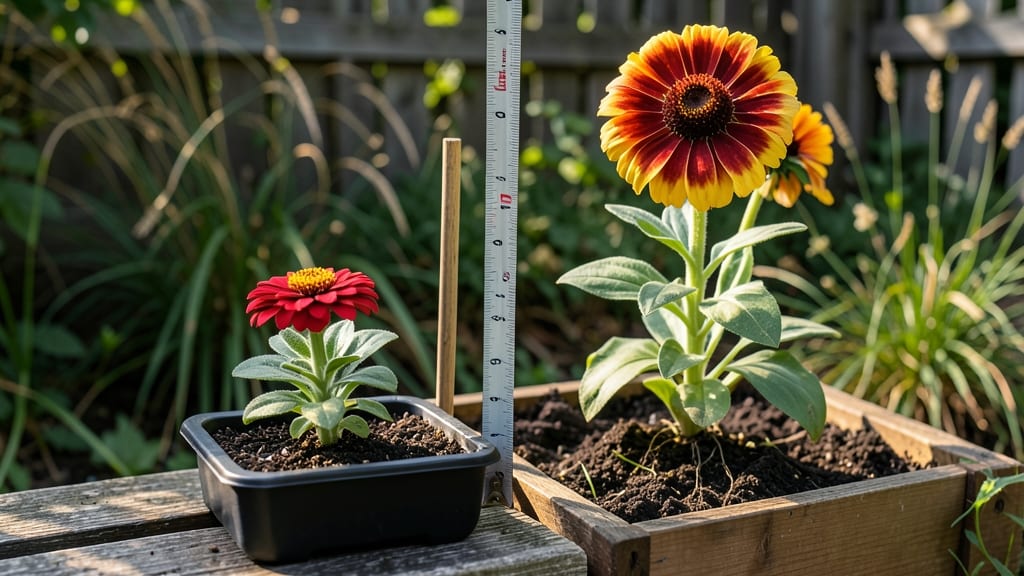
Zinnia height ranges by variety: from dwarf to giant flowers
Zinnias are one of the most versatile annual flowers, offering heights that can transform your garden from a low border to a towering backdrop. When grown from seed, their mature height varies dramatically—some stay as short as 8 inches, while others can soar to over 5 feet.
The key to choosing the right variety lies in understanding these height categories and how they fit into your garden design.
For example, dwarf zinnias like 'Thumbelina' or 'Crystal' typically reach just 8–12 inches tall, making them perfect for container gardens, window boxes, or edging. These compact varieties bloom prolifically and are ideal for small spaces or urban balconies.
Meanwhile, giant zinnias such as 'Benary's Giant' or 'State Fair' can stretch 3–5 feet tall, providing dramatic vertical interest and serving as stunning cut flowers.
If you're planning a mixed border or flowerbed, consider medium-height zinnias like 'Profusion' or 'Zahara,' which typically grow 18–30 inches tall. These varieties strike a balance between dwarf and giant types, offering versatility for both garden beds and bouquets.
Understanding these height ranges helps you visualize how zinnias will perform in your specific garden layout.
| Variety Type | Mature Height | Best For | Popular Cultivars |
|---|---|---|---|
| Dwarf | 8–12 inches | Containers, borders, edging | Thumbelina, Crystal, Lilliput |
| Semi-Dwarf | 12–18 inches | Front of beds, mixed borders | Crystal Red, Crystal White, Super Dwarf |
| Medium | 18–30 inches | Cut flowers, mid-border height | Profusion, Zahara, Ben Franklin |
| Tall | 30–48 inches | Back of beds, focal points | State Fair, Benary's Giant, Old Mexico |
| Giant | 48–60+ inches | Cut flower arrangements, tall borders | Benary's Giant Mix, Giant Red |
When selecting zinnias for your garden, consider not just their height but also their growth habit. Some varieties, like 'Profusion,' grow in compact mounds, while others, such as 'Benary's Giant,' develop single stems that require staking.
This distinction impacts how you'll space and support your plants, especially in windy or rainy climates.
Another factor influencing height is sunlight exposure. Zinnias thrive in full sun (6–8+ hours daily), but insufficient light can stunt their growth. If you're growing zinnias in partial shade, expect them to reach 20–30% less of their potential height.
For example, a 4-foot giant zinnia might only grow to 3 feet in partial shade.
Soil quality also plays a role. Well-draining, fertile soil with a pH of 6.0–7.0 encourages robust growth, while poor or waterlogged soil can lead to leggy, weak stems. Amending your soil with compost before planting ensures zinnias reach their full height potential and produce abundant blooms.
If you're growing zinnias for cut flowers, taller varieties like 'State Fair' or 'Benary's Giant' are ideal—their long stems create stunning arrangements.
However, if you prefer long-lasting blooms in your garden beds, dwarf or semi-dwarf varieties like 'Thumbelina' or 'Crystal' will reward you with weeks of continuous flowering without requiring much space.
For gardeners in USDA Zones 6–10, zinnias grow best when sown directly after the last frost date, typically in April or May.
Starting seeds indoors 4–6 weeks before transplanting can give you a head start, but be cautious—zinnias grown from seed outdoors often mature faster and taller than those started indoors.
To maximize height and vigor, apply a balanced fertilizer (5-10-5) when seedlings are 4–6 inches tall and again every 4–6 weeks during the growing season. Avoid over-fertilizing, as this can lead to excessive foliage at the expense of flower production.
Whether you're dreaming of a whimsical cottage garden or a modern, structured border, zinnias offer endless possibilities. By choosing
Zinnia height ranges by variety: from dwarf to giant flowers
Zinnias are one of the most versatile flowers for gardeners, offering heights that range from compact dwarf varieties perfect for containers to giant cultivars that can reach over 5 feet tall. The height you’ll achieve depends entirely on the variety you choose and how you care for your plants.
Let’s explore the different height categories so you can plan your garden layout with confidence!
Most zinnia varieties fall into four distinct height categories: dwarf (8–12 inches), semi-dwarf (1–2 feet), standard (2–4 feet), and giant (4–5+ feet). Each category serves different purposes in your garden, whether you’re creating a border garden, filling containers, or adding height to flower arrangements.
The key to maximizing height is selecting the right variety for your space and needs.
| Variety | Height Range | Best For |
|---|---|---|
| Dwarf (e.g., 'Thumbelina', 'Crystal') | 8–12 inches | Containers, borders, fairy gardens |
| Semi-Dwarf (e.g., 'Benary's Giant', 'Profusion') | 1–2 feet | Cut flowers, mixed borders |
| Standard (e.g., 'State Fair', 'Zahara') | 2–4 feet | Back of beds, bouquets, pollinators |
| Giant (e.g., 'Benary's Giant Mix', 'Double Click') | 4–5+ feet | Tall arrangements, focal points |
When choosing zinnias, consider not just their height but also their growth habit. Some varieties, like 'Profusion,' grow bushy and compact, while others, like 'Benary’s Giant,' develop long, sturdy stems that may need staking or support.
If you’re growing zinnias for cut flowers, taller varieties like 'Zahara' or 'Double Click' will give you stunning stems for arrangements.
One common misconception is that all zinnias grow tall—this isn’t true! Dwarf zinnias are perfect for small spaces, balconies, or even indoor growing under grow lights. These varieties, such as 'Thumbelina,' typically stay under 12 inches but still produce vibrant blooms in shades of pink, orange, and yellow.
For a low-maintenance garden, dwarf zinnias require minimal staking and thrive in tight spaces.
For gardeners with limited space, semi-dwarf varieties like 'Crystal' offer a happy medium, reaching just 1–2 feet tall while still providing abundant flowers. These are ideal for mixed borders or as filler plants in garden beds.
If you’re aiming for a dramatic focal point, giant zinnias like 'Benary’s Giant Mix' will deliver the wow factor with their towering blooms and bold colors.
Remember, the height of your zinnias can also be influenced by growing conditions. Providing full sun (6+ hours daily), well-draining soil, and regular deadheading will encourage taller, healthier growth. If you’re growing zinnias in containers, choose dwarf or semi-dwarf varieties to avoid overcrowding and ensure proper airflow.