
How To
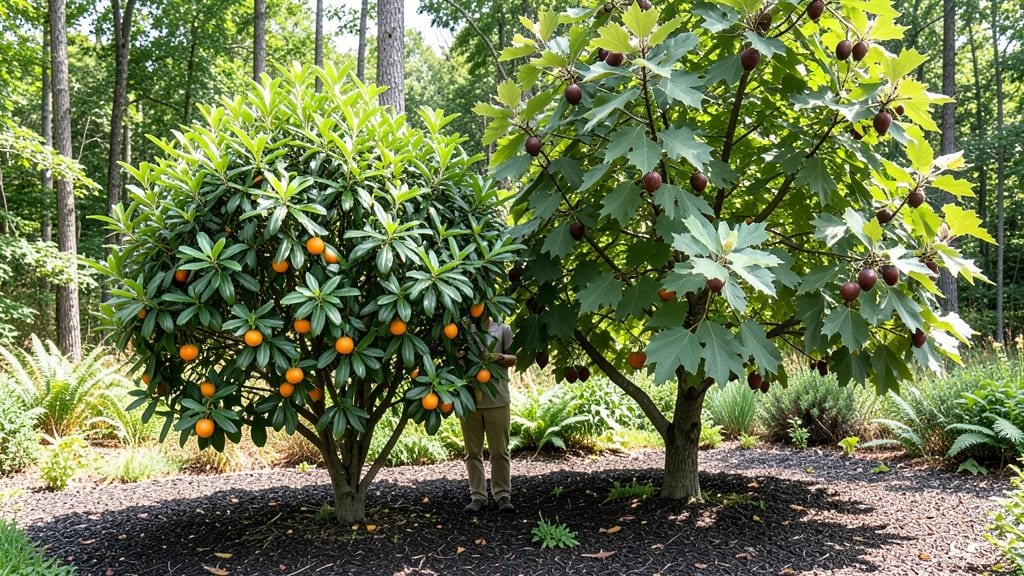
Wondering how tall does a persimmon tree grow before it towers over your backyard? The answer depends on the variety—some 🍑 persimmon trees stretch toward the sky like skyscrapers, while others stay manageable for smaller spaces.
Whether you're dreaming of a lush orchard or just a single tree for your patio, knowing these heights will help you plan your garden like a pro.
American persimmons (Diospyros virginiana) often reach 20 to 40 feet at maturity, turning your yard into a sun-dappled canopy. But Asian persimmons (Diospyros kaki)? They can be even taller—some varieties hitting 50 feet or more!
The good news? Dwarf varieties exist, staying under 15 feet, perfect for urban gardeners or container growing.
If space is tight, don’t worry—pruning and strategic planting can keep your 🍑 persimmon tree in check. I’ll show you how to pick the right size for your yard, plus 5 space-saving tips to grow persimmons even in the smallest of gardens.
Ready to turn your outdoor space into a fruit-bearing paradise?
From choosing the perfect variety to mastering pruning techniques, you’ll learn everything you need to grow a persimmon tree that fits your space and your style. Let’s get started!

Persimmon tree height by variety: from dwarf to giant sizes
Persimmon trees vary dramatically in height depending on the species and cultivar. The American persimmon (Diospyros virginiana) typically reaches 20-40 feet at maturity, while Asian persimmons (Diospyros kaki) can grow even taller—some varieties exceeding 50 feet in ideal conditions.
Understanding these differences helps you choose the right tree for your yard size and sunlight.
For gardeners with limited space, dwarf varieties are game-changers. These compact trees stay between 10-15 feet tall, making them perfect for small urban yards or even large containers. Meanwhile, standard varieties demand significant space, often requiring 30+ feet of clearance for branches and roots.
Below is a detailed comparison of popular persimmon varieties, including their mature heights and growth habits to help you plan your garden layout.
If you're growing American persimmons, expect slower growth initially but steady height increases over decades. These trees often take 5-10 years to reach 10 feet, making them a long-term investment.
In contrast, Asian persimmons like 'Fuyu' or 'Hachiya' grow faster but require more aggressive pruning and training to manage their height.
For small-space gardening, consider dwarf Asian persimmons grafted onto semi-dwarf rootstock. These trees can produce fruit in 3-5 years while staying under 12 feet tall. Pair them with a trellis or espalier system to further control their spread and maximize your harvest.
When planning your garden, account for branch spread, which can be nearly as wide as the tree's height. A 40-foot-tall persimmon may also spread 30 feet wide, requiring ample space for roots and airflow.
Always check the cultivar's specific notes—some varieties like 'Meader' are more compact than others.
Pro tip: If you're unsure about long-term growth, start with a container-grown dwarf persimmon. You can move it as it grows or prune it to keep it manageable. Just ensure the container is at least 18 inches deep and has drainage holes to prevent root rot.
🌳
Persimmon tree height by variety: from dwarf to giant sizes
Persimmon trees vary dramatically in height, from towering giants to compact varieties perfect for small spaces. The American persimmon (Diospyros virginiana) typically grows 40-60 feet tall at maturity, while Asian persimmons (Diospyros kaki) usually reach 20-30 feet.
Understanding these differences helps you choose the right variety for your garden layout and sunlight conditions.
For urban gardeners or those with limited space, dwarf varieties like 'Meader' or 'Fuyu' stay between 10-15 feet tall, making them ideal for containers or small yards.
Meanwhile, standard varieties like 'Hachiya' can soar to 30 feet or more, requiring careful planning for spacing and pruning to avoid overcrowding nearby plants.
Here’s a quick comparison of how different persimmon varieties stack up in height, growth habits, and space needs:
| Variety | Mature Height | Growth Rate | Space Needs |
|---|---|---|---|
| American Persimmon (Diospyros virginiana) | 40-60 ft | Slow to moderate | Large yard, full sun |
| Asian Persimmon (Diospyros kaki) | 20-30 ft | Moderate | Medium to large space |
| Dwarf Varieties (e.g., 'Meader') | 10-15 ft | Slow | Containers or small yards |
| Hybrid Varieties (e.g., 'Fuyu') | 15-25 ft | Moderate | Small to medium yards |
When selecting a persimmon tree, consider not just its mature height but also its spread—some varieties like the American persimmon can grow 30-40 feet wide, while dwarf types stay under 10 feet.
This width is critical for spacing trees properly, especially in windy areas where branches may spread further over time.
For gardeners with limited space, I recommend starting with dwarf or semi-dwarf varieties. These not only fit better in urban settings but also produce fruit earlier, often within 3-5 years of planting. Just ensure they receive full sun (6+ hours daily) and well-draining soil to thrive.
If you’re planning a long-term landscape, standard varieties offer stunning fall foliage and abundant fruit but require regular pruning to manage their height. Use sharp pruning shears in late winter or early spring to shape the tree and encourage a stronger structure.
For more details on caring for your persimmon tree, check out our guide on persimmon tree care or explore fruit tree spacing guidelines to maximize your garden’s potential. 🌳