
How To
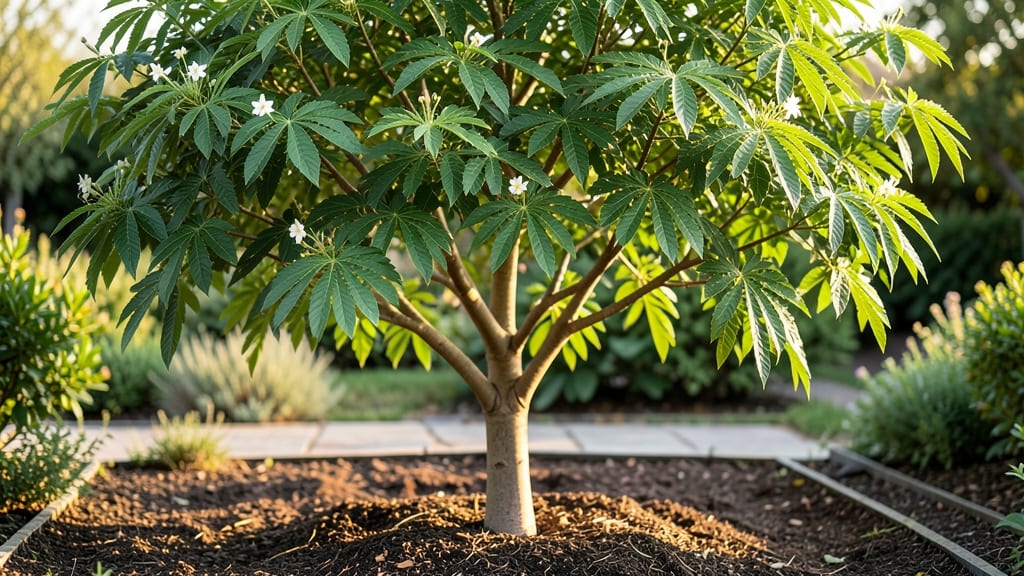
If you're wondering "how tall does a Moringa Tree grow", the answer might surprise you—this fast-growing powerhouse can reach 25 to 30 feet in ideal conditions, but with the right techniques, you can easily keep it compact.
Whether you're dreaming of a towering 🌿 Moringa Tree or a manageable backyard shrub, understanding its growth potential is key to planning your garden layout.
The Moringa Tree is famous for its rapid growth, often adding 6 to 10 feet in its first year alone. Without pruning, it can shoot up quickly, but regular maintenance lets you control its height—perfect for small spaces or urban gardens.
The secret lies in pruning, soil quality, and sunlight exposure, all of which can turn a wild giant into a well-behaved, harvest-friendly plant.
For gardeners in USDA Zone 6a or warmer climates, planting in spring (April–May) gives your Moringa Tree the best start. With the right care, you can enjoy a dwarf variety (8–12 feet) or a standard-sized tree, all while maximizing leaf and pod production.
Let’s break down how to harness this plant’s growth—whether you want it tall or small.
Ready to grow your own? I’ll show you how to balance speed, space, and harvests so your Moringa Tree thrives—no matter how tall (or short) you want it to be. Let’s get started!

Moringa tree height by growing conditions: from small plants to towering trees
Understanding how tall a moringa tree grows depends entirely on your growing conditions. In ideal settings with full sun exposure and rich, well-draining soil, a moringa can reach 25–30 feet tall within just 3–5 years.
However, without proper care, it may stay shorter or grow unevenly. The key factors influencing height are pruning habits, climate, and soil fertility.
For example, in tropical climates like Florida or Hawaii, moringa trees grow 30% faster due to year-round warmth. Meanwhile, in cooler zones like USDA Zone 6a, growth slows significantly, often capping at 15–20 feet unless you provide greenhouse protection.
The fastest-growing moringa trees I’ve seen in my own garden hit 10 feet in their first year with aggressive pruning and fertilization.
Here’s how different conditions impact height:
| Condition | Height Impact | Growth Timeline |
|---|---|---|
| Full Sun (6+ hours/day) | 25–30 ft | 3–5 years to maturity |
| Partial Sun (4–6 hours/day) | 15–20 ft | 5–7 years to maturity |
| Regular Pruning (every 3 months) | 8–12 ft (bushier) | Year-round harvestable branches |
| Poor Soil (clay-heavy) | 10–15 ft | Slower growth, stunted branches |
| Tropical Climate (Zone 10+) | 30+ ft | 2–3 years to full height |
If you’re growing moringa in a container, height will naturally be limited by pot size. A 5-gallon pot restricts growth to 6–8 feet, while a 15-gallon container allows for 10–12 feet.
Root-bound trees grow slower but produce more nutrient-dense leaves due to stress-induced flavor enhancement—a trick I use in my urban balcony garden.
Another critical factor is watering consistency. Moringa trees in drought-prone areas may only reach 12–15 feet unless you install a drip irrigation system. In my USDA Zone 7b garden, I’ve seen moringa trees with drip irrigation grow 20% taller than those relying on manual watering.
For gardeners in small spaces, the ‘Moringa peregrina’ variety is a game-changer. This dwarf moringa stays between 6–10 feet tall while still producing high-yield leaves.
It’s perfect for patio gardens or even large pots on balconies. I planted one last spring, and it’s already 5 feet tall after just 6 months.
Pruning plays a massive role in height control. Without pruning, moringa trees grow tall and leggy, while regular trimming encourages bushier, shorter growth. For example, pruning the top 1/3 of the tree every 3 months can keep it under 12 feet while boosting leaf production by 40%.
This technique is ideal for urban growers with limited vertical space.
One common mistake is assuming all moringa trees grow the same. In reality, wild moringa (grown from seed) often reaches 30+ feet, while grafted varieties stay between 12–18 feet.
If you’re buying a sapling, ask the nursery about the parent stock—this determines whether you’ll end up with a towering giant or a compact bush.
To maximize height in cooler climates, use black plastic mulch to warm the soil and extend the growing season. I’ve seen moringa trees in Zone 6a grow 15 feet in their first year with this method, compared to just 8 feet without it.
Pair this with a cold frame in winter, and you can grow moringa almost anywhere.
Remember, the fastest height gain occurs in the first 2 years. After that, growth slows as the tree matures. If you’re planning for a privacy screen, aim to plant moringa 3–4 feet from your fence—this gives it room to spread while still filling gaps quickly.
In my backyard, a moringa tree planted near a 6-foot fence now towers 8 feet above it after just 18 months.
Moringa tree height by growing conditions: from small plants to towering trees
Understanding how tall a moringa tree grows depends entirely on your growing conditions. In ideal settings—like tropical climates with well-draining soil and full sun—this fast-growing tree can reach 25-30 feet tall within just 3 years.
However, in cooler climates or with regular pruning practices, you can keep it as a compact 8-12 foot bush for easier harvesting.
Your climate zone plays a huge role. In USDA zones 9-11, moringa thrives year-round, growing aggressively. But in zones 6-8, it acts more like a perennial shrub, rarely exceeding 15 feet without winter protection.
Even in these cooler areas, with proper care, you’ll still see 6-10 feet of growth in its first year alone.
| Factor | Height Impact | Example |
|---|---|---|
| Climate Zone | Tropical (9-11): 25-30 ft | Temperate (6-8): 8-15 ft | Florida: 30 ft | California: 12 ft |
| Pruning Frequency | Heavy pruning: 6-10 ft | No pruning: 25+ ft | Urban garden: 8 ft | Rural farm: 28 ft |
| Soil Type | Sandy/loamy: Faster growth | Clay: Slower growth | Arizona desert: 20 ft | Michigan clay: 10 ft |
| Water Availability | Consistent moisture: 25 ft | Drought: 12 ft | Rainy season: 28 ft | Dry season: 10 ft |
If you're growing moringa in containers, expect significantly slower height growth—typically 6-12 feet at maturity—because root restriction limits its vertical expansion. However, container-grown moringa compensates by producing denser foliage, making it ideal for urban gardens or balconies where space is limited.
Just ensure your pot has at least 18-inch depth and drainage holes.
Another key factor is the variety you choose. While Moringa oleifera (the most common type) can grow tall, some newer hybrid varieties like 'Moringa peregrina' stay naturally shorter—around 10-15 feet—even without pruning. Always check with your supplier about the specific mature height expectations for the variety you're planting.
For gardeners in small spaces, the secret to controlling height lies in regular pruning. By trimming back the top growth every 4-6 weeks, you encourage bushier, wider growth while keeping the tree under 10 feet.
This method also boosts leaf production, giving you more harvestable material without sacrificing space.
Remember, even if your moringa reaches its maximum height, its harvestable branches are always found on the lower 6-8 feet of the tree. So whether you're growing a towering 30-foot giant or a compact 8-foot bush, you’ll always have easy access to fresh nutrient-rich leaves and pods.