
How To
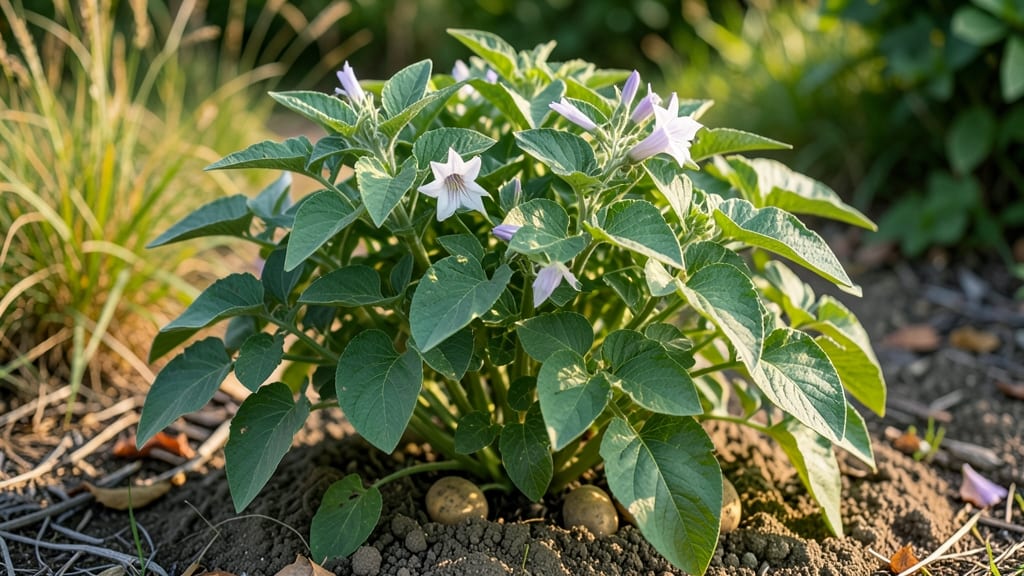
Potato plant height by variety: from dwarf to towering giants
Potato plants can range from dwarf varieties reaching just 8 inches to tall giants stretching over 3 feet. The height you’ll see in your garden depends entirely on the variety you choose and how you care for them.
For example, Red Pontiac potatoes stay compact at 12–18 inches, while Russian Banana Fingerlings can climb to 36+ inches when trellised. Knowing these differences helps you plan spacing and support structures before planting.
Most gardeners focus on foliage height (the above-ground stems and leaves), not the underground tubers. The taller the plant, the more space it needs—3 feet between plants for giants versus 12 inches for dwarfs.
This spacing prevents disease spread and ensures each plant gets enough sunlight and nutrients. If you’re short on garden space, bush varieties like Yukon Gold (18–24 inches) are ideal for containers or tight beds.
Here’s the key: Early-season varieties (like New Potatoes) grow faster but stay shorter (12–18 inches), while late-season varieties (like Kennebec) invest energy in both height (24–36 inches) and tuber size. Your climate also plays a role—cooler regions may see slightly shorter growth due to slower maturation.
If you’re growing potatoes in containers or raised beds, opt for dwarf or semi-dwarf varieties like Red Norland (12–18 inches) or Adirondack Blue (16–22 inches).
These stay manageable while still producing high-yield tubers. Just remember: even short plants need 6+ inches of soil depth for tubers to develop properly.
For vertical gardening, varieties like Russian Banana or Blue Congo (24–36 inches) thrive when trellised. Their long vines can climb 5–6 feet with support, but the tubers form along the stems near the base.
This method saves space and makes harvesting easier—just cut the vines and let the potatoes drop into a bag below.
One common mistake is assuming taller plants = bigger potatoes. In reality, foliage height doesn’t always correlate with tuber size. For example, Yukon Gold (18–24 inches) often produces larger tubers than Kennebec (24–36 inches).
Focus on soil fertility and sunlight rather than just height when aiming for a bountiful harvest.
Pro tip: If you’re new to growing potatoes, start with intermediate-height varieties like Yukon Gold or Fingerlings. They’re forgiving for beginners and give you a balanced height-to-harvest ratio. Once you’re comfortable, experiment with dwarfs for containers or giants for trellises to see what works best in your space.
🌱
How potato plant height changes at each growth stage
Understanding how potato plants grow taller at each stage helps you anticipate their space needs and adjust care accordingly. From tiny sprouts to towering foliage, their height progression follows a predictable pattern that directly impacts tuber production.
In the first 2–4 weeks after planting, you’ll see just 0–3 inches of growth as sprouts emerge from the soil. This early stage focuses on root development rather than height, so avoid disturbing the soil around plants.
During the 4–8 week phase, your potato plants will shoot up to 6–12 inches as they establish their first set of true leaves. This is when they need consistent moisture and full sun exposure to prevent leggy growth.
- Weeks 2–4: 0–3" (sprouts emerge)
- Weeks 4–8: 6–12" (rapid foliage growth)
- Weeks 8–12: 12–24" (flowering begins)
- Weeks 12–16: 24–48"+ (tuber bulking phase)
The 8–12 week mark brings flowering, where plants typically reach 12–24 inches. This is when you’ll notice purple, white, or pink blooms, signaling the plant is redirecting energy toward tuber formation below ground.
After flowering, between weeks 12–16, your potato plants may surge to 24–48 inches or more, especially for long-vining varieties. This rapid growth phase demands proper spacing (12–18 inches apart) to prevent competition and disease spread.
By week 16+, foliage may yellow and die back as tubers reach maturity. Never remove leaves until they’ve fully browned—this ensures maximum photosynthesis for tuber development.