
Vegetables
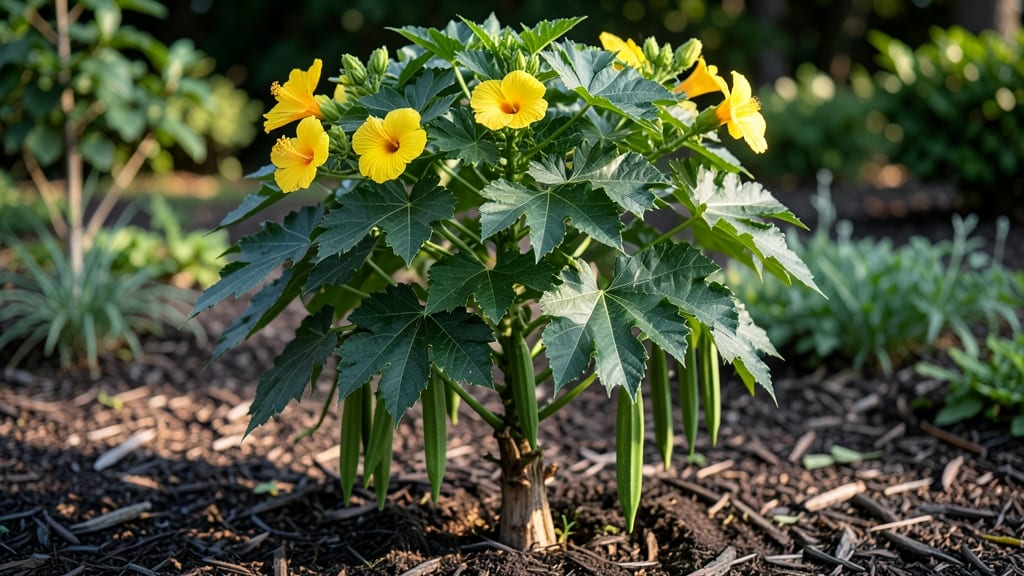
Clemson Spineless okra height guide: exact growth range & planting spacing
Clemson Spineless okra is one of the most popular varieties for home gardens because of its spineless pods and fast growth rate. But how tall does it actually grow? Expect mature plants to reach between 3 to 6 feet tall, though some can stretch up to 8 feet with ideal conditions. This height makes it perfect for backyard gardens and raised beds, but not for small containers.
The key to managing its height lies in proper planting spacing and soil conditions. Clemson Spineless grows as a bushy, upright plant, unlike some sprawling varieties.
When spaced correctly, it produces more pods and stays healthier. Let’s break down the exact numbers and tips you need for a thriving harvest.
🌱 Clemson Spineless Okra Quick Facts
| Category | Details |
|---|---|
| Mature Height | 3–6 feet (up to 8 feet) |
| Planting Spacing | 18–24 inches apart |
| Sunlight Needs | Full sun (6–8 hours/day) |
| Soil Type | Well-draining, fertile |
| Days to Harvest | 50–60 days |
| Key Feature | Spineless pods (easier to handle) |
One of the biggest advantages of Clemson Spineless okra is its spineless trait, which makes harvesting pods a breeze. Without sharp spines, you won’t need gloves or risk pricking your fingers while picking.
This feature alone makes it a favorite for family gardens and community plots where kids or beginners are involved.
To encourage compact growth and prevent legginess, plant seeds 18–24 inches apart in rows that are 3 feet apart. This spacing gives roots room to spread while allowing airflow to reduce fungal diseases.
If you’re growing in containers, choose large pots (at least 12 inches deep) and plant only one seedling per container.
Soil preparation is critical for controlling height. Clemson Spineless thrives in well-draining soil with a pH of 6.0–6.8. Amend your garden bed with compost or aged manure before planting to provide essential nutrients. Avoid heavy clay soils, which can stunt growth and lead to root rot. A light mulch around the base helps retain moisture and keeps weeds at bay.
Sunlight is another height regulator. Clemson Spineless requires full sun exposure (6–8 hours daily). If your garden receives partial shade, expect slower growth and shorter plants.
In hot climates, provide afternoon shade to prevent stress, but ensure morning sun for optimal photosynthesis. A south-facing garden bed is ideal for maximizing sunlight.
Watering plays a subtle but important role in height management. While okra is drought-tolerant once established, consistent moisture during the first 4–6 weeks encourages strong root development.
Water deeply 1–2 inches per week, focusing on the base of the plant to avoid wetting the leaves (which can cause disease). Morning watering is best to allow foliage to dry quickly.
For bushier plants, consider a light pruning technique called pinching. When seedlings reach 12 inches tall, pinch off the top set of leaves to encourage lateral branching.
This method reduces overall height while increasing pod production. Avoid heavy pruning, as okra responds best to minimal interference once established.
If you’re short on garden space, vertical growing is a great solution. Use trellises or stakes to guide Clemson Spineless upward, keeping it contained in a smaller footprint. This technique works especially well in container gardens or urban plots.
Just be sure to secure the trellis firmly, as okra can grow surprisingly heavy with a full harvest.
Remember, Clemson Spineless okra grows fastest during warm weather. In USDA Zones 7–10, you can plant seeds directly in the garden after the last frost (typically mid-May to early June).
For cooler climates, start seeds indoors 6–8 weeks before the last frost and transplant seedlings outdoors once temperatures stay above 60°F.
Clemson Spineless okra height guide: exact growth range & planting spacing
Clemson Spineless okra is one of the most popular varieties for home gardeners because of its spineless pods and fast growth rate. Unlike traditional okra with sharp spines, this variety grows to a mature height of 3–6 feet—tall enough to fill vertical space but manageable for most gardens.
The key to harnessing its full potential lies in proper spacing and sunlight exposure.
This variety thrives in warm climates (USDA Zones 7–11) and matures quickly, typically reaching 3 feet within 4–6 weeks after planting. By the end of the growing season, it can easily top 6 feet if given enough room.
The spineless trait makes harvesting easier, but its height still requires thoughtful garden planning.
| Growth Stage | Height Range | Spacing Needs | Sunlight Needs |
|---|---|---|---|
| Seedling (0–4 weeks) | 6–12 inches | 12 inches apart | Full sun (6+ hours) |
| Mature Plant (6–8 weeks) | 3–6 feet | 18–24 inches apart | Full sun (8+ hours) |
| Peak Production (8–12 weeks) | Up to 8 feet | 24 inches apart (or trellis) | Full sun (8+ hours) |
When planting, space your Clemson Spineless okra 18–24 inches apart in rows 3 feet apart to allow airflow and prevent disease. This spacing also makes harvesting easier—no more reaching into dense foliage!
If you're short on space, consider growing it vertically with a trellis or cage, which can reduce its spread while maximizing pod production.
For optimal growth, ensure your soil is well-draining and rich in organic matter. Clemson Spineless okra prefers sandy loam with a pH of 6.0–6.8. Amend heavy clay soil with compost to improve drainage, as waterlogged roots can stunt growth.
A balanced fertilizer (10-10-10) applied every 4–6 weeks during the growing season will encourage robust foliage and abundant pod formation.
One of the biggest mistakes gardeners make is overcrowding their okra plants. When plants are too close, they compete for nutrients and sunlight, leading to stunted growth and fewer pods.
If you notice your okra reaching taller than 6 feet but producing fewer pods, it’s a sign they need more space or pruning to redirect energy.
To keep your Clemson Spineless okra at a manageable height while boosting yield, focus on regular pruning and support. Pinching back the tips of young plants encourages bushier growth, while trellises help channel energy upward.
With the right care, you’ll enjoy a bountiful harvest of spineless pods without sacrificing garden space—just imagine the ease of picking those pods without gloves! 🌱