
How To
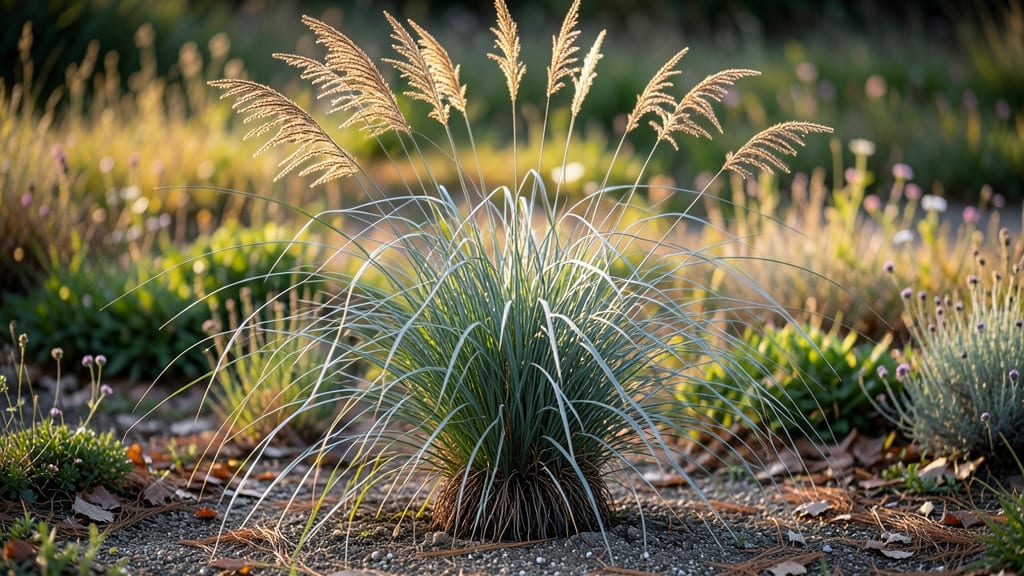
Wondering how tall does feather reed grass grow in your garden? This striking ornamental grass 🌿 can reach anywhere from 2 feet to towering 6 feet, depending on the variety and growing conditions you provide.
If you're planning your landscape, knowing the mature height of feather reed grass is key to creating a balanced look. Some dwarf varieties stay compact, while others grow tall enough to rival small trees—making them perfect for privacy screens or dramatic focal points.
But height isn't just about the variety—sunlight, soil quality, and even your local climate play a huge role. I’ll break down exactly how to control its growth so you can keep it at your desired height without sacrificing beauty or health.
Whether you're using it for erosion control, a border, or just adding texture to your yard, understanding these factors will help you plant with confidence and maintain it like a pro.

Feather reed grass height by variety: a complete comparison guide
Choosing the right feather reed grass variety depends entirely on your garden’s available space and design goals. Some cultivars stay compact, while others reach towering heights—up to 6 feet or more!
Below, I’ve broken down the most popular varieties by their mature height, growth habits, and ideal uses to help you pick the perfect fit.
For small gardens or container planting, dwarf varieties like ‘Karl Foerster’ (3–4 ft) or ‘Overdam’ (2–3 ft) are ideal. These stay manageable while still delivering dramatic plumes and seasonal color.
If you’re aiming for a bold statement, taller varieties like ‘Feather Reed Grass ‘Acuta’ (5–6 ft) or ‘Karl Foerster’ in full sun will create a vertical focal point.
Here’s a quick comparison to visualize how each variety fits into your landscape:
| Variety | Mature Height | Spread | Best For | Notes |
|---|---|---|---|---|
| ‘Overdam’ | 2–3 ft | 2–3 ft | Containers, borders | Dwarf, golden plumes, slow-growing |
| ‘Karl Foerster’ | 3–4 ft | 3–4 ft | Prairie-style gardens | Most popular, upright, drought-tolerant |
| ‘Acuta’ | 5–6 ft | 3–4 ft | Back of borders, screens | Tallest variety, arching plumes, needs support |
| ‘Felix Fontane’ | 4–5 ft | 3–4 ft | Wildflower meadows | Pinkish plumes, clumping habit |
| ‘Little Pink’ | 2–3 ft | 2–3 ft | Rock gardens, containers | Compact, pink-tinged foliage |
When planning your garden layout, consider not just height but also spread. For example, ‘Acuta’ may reach 6 feet tall but only spreads 3–4 feet, making it perfect for narrow spaces.
Meanwhile, ‘Karl Foerster’ grows in all directions, so give it 3–4 feet of clearance on all sides to prevent overcrowding.
If you’re using feather reed grass for privacy screens or windbreaks, aim for varieties like ‘Acuta’ or ‘Felix Fontane’. Plant them in groups of 3–5 for a dense, natural barrier.
For container gardening, stick to dwarf varieties like ‘Overdam’ or ‘Little Pink’—they thrive in 10–12 inch pots with well-draining soil.
Pro tip: Mulch around the base of taller varieties to suppress weeds and retain moisture, which encourages healthier growth and stronger stems. Avoid over-fertilizing, as this can lead to floppy, weak stems that struggle to support their own weight.
For seasonal interest, most feather reed grass varieties develop plumes in late summer that last through fall and winter. The taller the variety, the more dramatic the display—but also the more pruning and support it may need to stay upright.
🌿
Factors that influence feather reed grass height: sun, soil, and climate
Feather reed grass thrives when given the right growing conditions, but its height can shift dramatically based on sunlight, soil quality, and climate. For example, full sun exposure (6+ hours daily) can push some varieties to their maximum height, while partial shade may keep them shorter.
Understanding these factors helps you predict and control how tall your plants will grow.
Soil drainage plays a critical role too. Poorly drained soil can stunt growth or even kill the plant, while well-draining, slightly sandy soil encourages healthy, vigorous growth. If your garden has heavy clay, amending with compost or sand can improve drainage and support taller, stronger plants.
🌱
| Factor | Optimal Condition | Effect on Height |
|---|---|---|
| Sunlight | 6+ hours full sun | Maximizes height (4-6 ft) |
| Sunlight | Partial shade (3-4 hours) | Reduces height (2-4 ft) |
| Soil Drainage | Well-draining, sandy | Supports full height |
| Soil Drainage | Heavy clay or waterlogged | Stunts growth (1-3 ft) |
| Watering | Deep, weekly soak | Encourages taller growth |
| Watering | Drought conditions | Reduces height (2-4 ft) |
| Climate Zone | USDA Zones 5-9 | Optimal growth (4-6 ft) |
| Climate Zone | Cold/harsh winters | Slower growth (3-5 ft) |
Climate also matters—warmer regions like USDA Zones 7-9 often see faster growth and taller plants, while cooler climates (Zones 5-6) may result in slightly shorter stature. If you’re in a colder zone, choose hardier varieties like 'Karl Foerster', which handles frost better than others.
Watering habits can surprise you too. While feather reed grass is drought-tolerant once established, consistent moisture during the first growing season helps it reach its full height potential. Overwatering, however, can lead to weak stems and shorter growth, so aim for deep, infrequent watering rather than frequent light soaks.
Finally, fertilization timing impacts height. Applying a balanced fertilizer (10-10-10) in early spring encourages taller growth, but avoid heavy feeding in late summer—this can lead to leggy, weak stems. A light feeding in early summer is ideal for maintaining strong, upright growth.
By tweaking these factors, you can guide your feather reed grass to grow exactly the height you want—whether you’re aiming for a tall privacy screen or a compact border plant. Experiment with conditions to find the perfect balance for your garden! 🌿