
How To
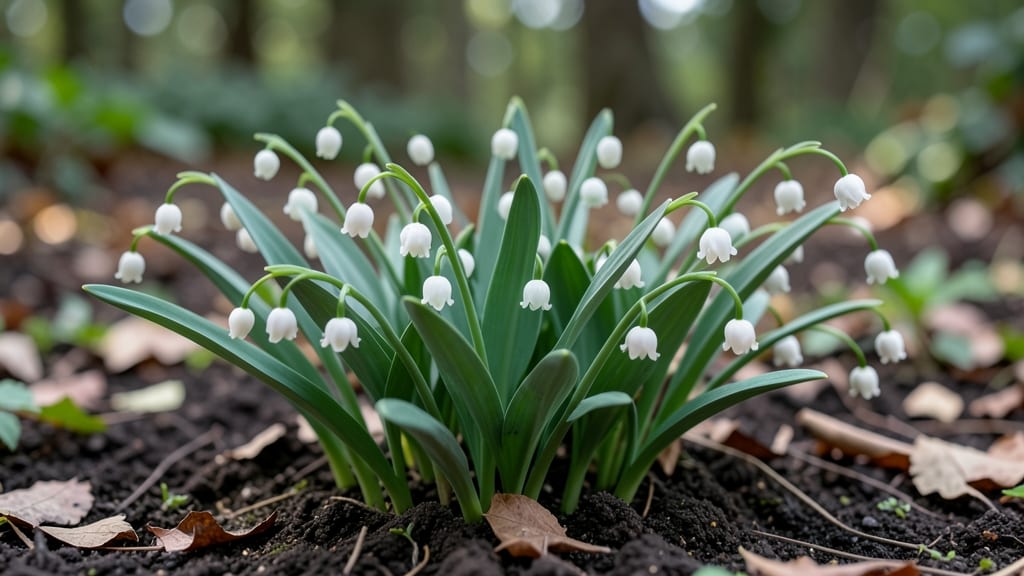
If you're wondering how tall does lily of the valley grow, you're not alone—this charming, fragrant perennial often surprises gardeners with its modest yet impactful stature.
The delicate 🌸 blooms typically reach 12-18 inches at maturity, making them perfect for underplanting shrubs or lining garden borders where they can spread gracefully without overpowering other plants.
What makes this plant so special is its ability to thrive in partial shade, especially in zones like 6a, where cooler temperatures help it maintain its compact form.
While its height stays predictable, its spreading habit is where things get interesting—those underground rhizomes can expand 12-24 inches per year, turning a single clump into a lush carpet over time.
For gardeners planning their fall planting season, knowing these growth patterns is key. Whether you're tucking them into shady corners or using them as a fragrant ground cover, understanding how tall lily of the valley grows helps you design a space that stays balanced and beautiful.
Let’s break down what you need to know to keep your garden looking intentional, not overrun.
From ideal planting depths to managing its spread, I’ll share practical tips so you can enjoy these sweet-smelling blooms without the headaches. Ready to turn your garden into a fragrant paradise? Let’s get started.

Lily of the valley height zones: how tall do plants typically reach?
If you’ve ever admired lily of the valley’s (Convallaria majalis) sweetly scented blooms, you might wonder just how tall these charming perennials grow. The answer isn’t one-size-fits-all—this plant typically reaches 12 to 18 inches at maturity, but several factors influence its height.
Understanding these variables helps you plan your garden layout and create the perfect conditions for these fragrant beauties.
For first-year plants, expect a more modest 6 to 12 inches of growth. This slower start gives your garden time to adjust before the plant reaches its full mature height range of 12–18 inches.
The good news? Once established, lily of the valley maintains a consistent height, making it ideal for border plantings, woodland gardens, or understory plantings where it won’t compete with taller species.
Now, let’s break down the key factors that influence how tall your lily of the valley will grow. From sunlight exposure to soil quality, these elements play a crucial role in determining whether your plants will hit the lower or upper end of the height spectrum.
| Factor | Impact on Height | Optimal Conditions |
|---|---|---|
| Sunlight Exposure | Too much sun can stunt growth; too little shade may reduce flowering. | Partial shade (morning sun + afternoon shade) |
| Soil Type | Rich, well-draining soil encourages taller growth; poor soil limits height. | Moist, humus-rich soil with good drainage |
| Water Availability | Consistent moisture supports healthy growth; drought stress reduces height. | Weekly deep watering (1 inch per week) |
| Pruning Practices | Regular pruning after flowering promotes bushier, shorter growth. | Trim spent blooms in early summer |
| Variety | Most varieties stay within 12–18 inches, but some dwarf types may reach just 6–12 inches. | Choose based on your garden’s needs |
One of the most common questions I hear from gardeners is whether lily of the valley’s height changes significantly over time. The short answer? No. Once mature (typically by year 2 or 3), these plants maintain their height range of 12–18 inches.
However, their spreading habit is where surprises often happen—we’ll dive deeper into that in the next section.
If you’re planning to use lily of the valley as an underplanting for shrubs or trees, aim for the upper end of the height range (16–18 inches) to ensure visibility. For woodland gardens or shaded areas, the lower end (12–14 inches) works beautifully without competing with taller plants.
Pro tip: Pair it with hostas or ferns for a lush, layered look.
For container gardening, lily of the valley’s height makes it a fantastic choice for hanging baskets or shallow planters. Just ensure your container is at least 12 inches deep to accommodate the plant’s root system and allow for proper drainage.
The key to maintaining height in containers is consistent moisture—these plants hate drying out, so check soil moisture regularly during hot spells.
Another factor that often gets overlooked is the plant’s growth habit. Lily of the valley grows in a semi-evergreen to deciduous manner, depending on your climate zone.
In warmer zones (like USDA Zone 7 and above), it may retain some foliage year-round, while in colder zones, it may go dormant in winter. This growth pattern affects how you perceive its height—new growth in spring can temporarily make it appear taller before settling into its mature form.
To encourage the healthiest height growth, focus on these three practices: proper planting depth (2–3 inches), regular mulching (to retain moisture), and avoiding over-fertilization (which can lead to leggy growth).
Over time, you’ll notice your lily of the valley not only reaches its ideal height but also produces more abundant blooms each year.
Remember, while height is important, lily of the valley’s fragrance and texture are what truly make it special. Even if your plants lean toward the shorter end of the spectrum, their sweet scent and glossy leaves will add a magical touch to your garden.
With the right care, you’ll have a perennial favorite that thrives for decades with minimal effort.
Lily of the valley height zones: how tall do plants typically reach?
Lily of the valley (Convallaria majalis) typically reaches a mature height of 12 to 18 inches, making it a compact yet striking addition to shady garden beds. While its vertical growth is modest, its horizontal spread is where it truly shines—and sometimes overachieves!
The plant’s delicate bell-shaped flowers grow on arching stems, rarely exceeding 1 foot in height, but their fragrant presence fills the air beautifully.
In the first year, you’ll see 6 to 12 inches of growth, with full maturity achieved by the second or third year. The height can vary slightly based on soil fertility, sunlight exposure, and even the specific cultivar.
For example, some dwarf varieties like ‘Rosea’ stay closer to 6 inches tall, while standard types may stretch toward 18 inches under ideal conditions.
| Growth Stage | Height Range | Key Notes |
|---|---|---|
| Year 1 | 6–12 inches | Slow initial growth; focuses on root establishment. |
| Year 2–3 | 12–18 inches | Mature height achieved; blooms become more abundant. |
| Dwarf Varieties | 6–12 inches | Ideal for containers or small gardens; slower spread. |
| Standard Varieties | 12–18 inches | Classic height; spreads aggressively in optimal conditions. |
One of the biggest factors influencing height is light exposure. While lily of the valley thrives in partial shade, too much direct sun can stunt growth or cause leaf scorch. In contrast, rich, moist soil with organic matter encourages taller, healthier stems.
If you notice your plants staying shorter than expected, check for compacted soil or nutrient deficiencies, which can limit vertical growth.
Pruning plays a minor role in height control, but it’s more about maintaining the plant’s health than altering its stature. After the blooms fade, you can trim the flower stalks to redirect energy into root and foliage growth.
Avoid cutting the leaves entirely, as they photosynthesize to fuel next year’s blooms. For container gardening, choose dwarf varieties or prune aggressively to keep the plant within its pot’s boundaries.
If you’re planning a garden bed, account for the plant’s 12-inch height when pairing it with taller perennials like hostas or ferns. Place it at the front of borders or along pathways to showcase its fragrant blooms at eye level.
Just remember: while its height is predictable, its spread is anything but—so plan for containment strategies if you want to keep it from becoming a garden takeover artist!
For gardeners in USDA Zones 3–8, lily of the valley’s height remains consistent year after year, provided it gets the right care. In colder zones, the foliage may die back in winter, but the rhizomes remain dormant and rebound each spring with the same 12–18 inch stature. 🌸