
How To
Little bluestem height range: how tall it grows in different conditions
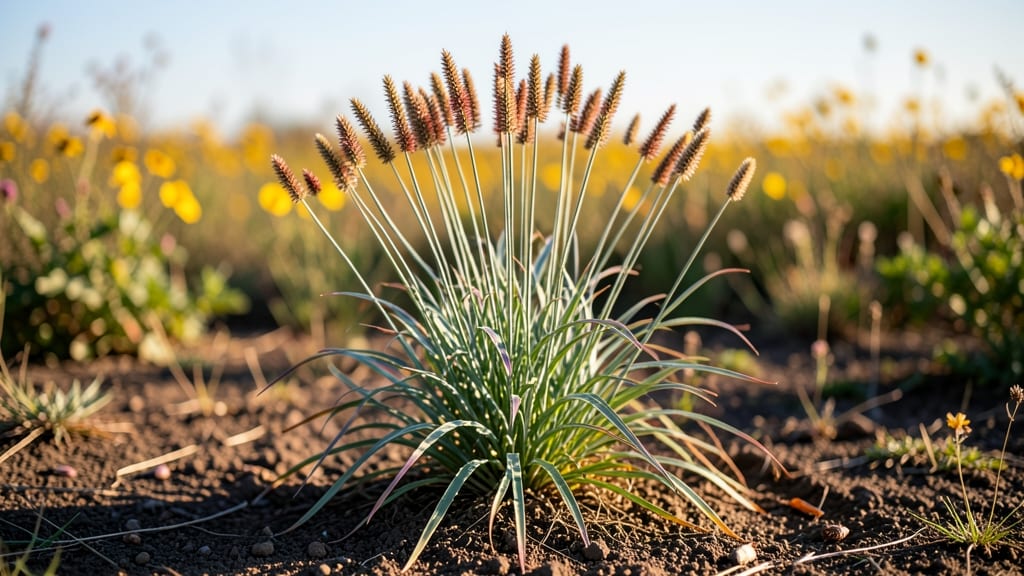
If you're planning to add little bluestem (Schizachyrium scoparium) to your garden, knowing its mature height is key. This native ornamental grass typically reaches 12 to 36 inches tall at maturity, but its final size depends on growing conditions.
In ideal settings with full sun exposure and well-draining soil, expect the taller end of that range—up to 3 feet—while cooler climates or poor soil may keep it closer to 18 inches.
Little bluestem grows in clumping habits, not spreading like turfgrass, making it perfect for borders, prairie gardens, or mass plantings. Its height also varies by regional climate.
In the Midwest and Southern U.S., it often hits 24 to 36 inches, while in cooler Northern states, it may stay around 18 to 24 inches.
Here’s how its height develops over time: Year 1: 6–12 inches Year 2: 18–24 inches Year 3+: 24–36 inches (full maturity). This gradual growth makes it easy to integrate into existing landscapes without overwhelming smaller spaces.
The seasonal color shift of little bluestem—from green to blue-green to fiery reds in fall—adds visual interest regardless of its height. Whether you’re using it for wildlife habitat, erosion control, or simply as a low-maintenance ornamental, its height adaptability is a major plus.
Now, let’s break down the key factors that influence its height—so you can tailor its growth to your garden’s needs.
As the table shows, sunlight and soil quality are the biggest height influencers. For example, in my USDA Zone 6 garden, little bluestem planted in full sun with compost-amended soil hit 30 inches by its second year—ideal for creating a natural-looking border alongside black-eyed Susans.
In drier regions, like the Southwest, little bluestem often stays shorter (18–24 inches) due to natural water scarcity. This makes it a perfect drought-tolerant choice for xeriscapes. I’ve seen it thrive in New Mexico landscapes with minimal irrigation, proving its versatility.
For smaller gardens, consider the 'Standing Ovation' cultivar, which maxes out at 24 inches—perfect for containers or tight spaces. Meanwhile, the wild-type varieties can reach 36 inches, making them ideal for prairie restorations or large meadows.
Pro tip: If you’re planting little bluestem near walkways or patios, aim for the 18–24 inch range by providing moderate water and partial shade in hot afternoons. This keeps it manageable while still showcasing its stunning fall colors.
Ready to control its height? The next section covers practical tips for managing little bluestem’s growth—whether you want it taller for drama or shorter for ease of maintenance.
Little bluestem height range: how tall it grows in different conditions
Little bluestem (Schizachyrium scoparium) typically reaches a mature height of 12–36 inches, but its final size depends heavily on growing conditions. In ideal settings—like well-draining soil and full sun exposure—it often hits the upper end of that range, creating striking, arching clumps.
However, in drier climates or poor soil, it may stay shorter, around 12–24 inches, while still delivering its signature blue-green foliage and winter bronze tones.
This native grass grows slowly but steadily, reaching about 12 inches in its first year and gradually adding 6–12 inches per year until mature. Unlike fast-growing annuals, little bluestem prioritizes root development over rapid height, making it a low-maintenance perennial for both prairie gardens and urban landscapes.
Its clumping habit also means it won’t spread aggressively, making it perfect for borders or mass plantings without crowding other plants.
🌱 Little Bluestem Growth Summary
| Stage | Height Range | Key Notes |
|---|---|---|
| Year 1 | 12 inches | Focuses on root establishment |
| Year 2–3 | 18–24 inches | Gains height and density |
| Mature (3+ years) | 12–36 inches | Peak height varies by conditions |
| Winter Dormancy | Stays upright (12–24 inches) | Bronze foliage adds winter interest |
Regional differences play a huge role in little bluestem’s height. In arid climates like the Southwest, it often stays on the shorter side (12–24 inches) due to limited water availability.
Meanwhile, in humid Eastern regions, it can stretch toward 36 inches with richer soil and consistent moisture. Even in urban environments, little bluestem thrives in containers or raised beds, where it typically grows 18–30 inches tall.
Its adaptability makes it a top choice for xeriscaping, pollinator gardens, and low-maintenance landscapes.
Seasonal changes also affect its height. In spring and summer, little bluestem grows most actively, with new growth shooting up 6–12 inches from its base.
By late summer, it may flop slightly under the weight of its seed heads, but it perks back up in fall as the stems harden. In winter, it retains its upright structure, often standing 12–24 inches tall with striking bronze hues—a year-round asset for gardeners.
If you’re designing a prairie-style garden, aim for clumps spaced 18–24 inches apart to let little bluestem reach its full height potential. For smaller spaces, prune it back in early spring to encourage denser, shorter growth (around 12–18 inches).
Its versatility means it works equally well as a solitary specimen, a border plant, or part of a wildflower meadow. Just remember: patience is key—little bluestem’s true beauty unfolds over years, not seasons.
For maximum height, pair it with taller grasses like switchgrass or Indiangrass, while shorter perennials like purple coneflower or black-eyed Susan will complement its mid-height structure.
Whether you’re restoring a native prairie or adding texture to a modern landscape, little bluestem’s height adaptability ensures it fits right in—no matter your space. 🌿