
How To
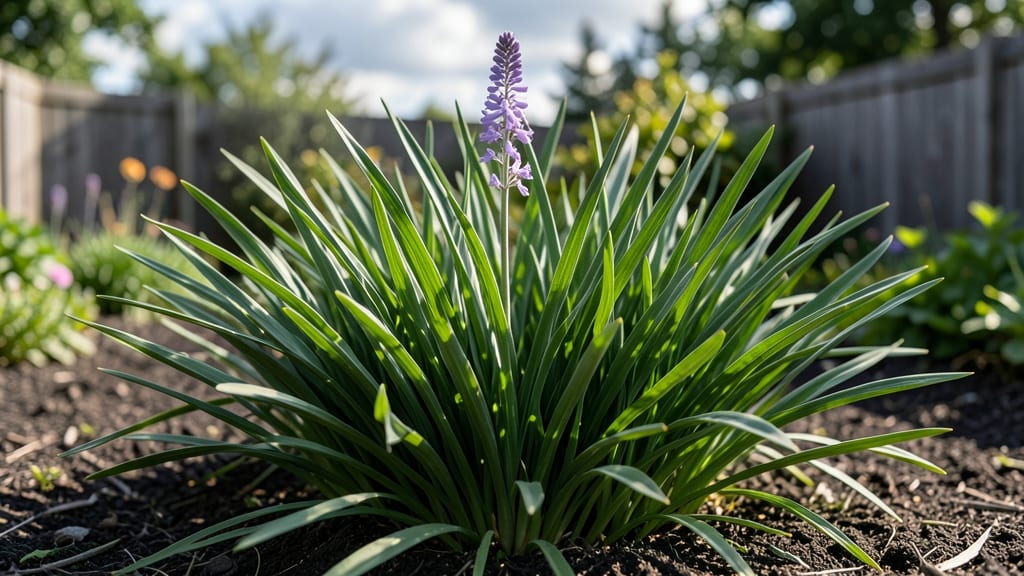
Curious about how tall does monkey grass grow before it takes over your yard? This hardy perennial can surprise you with its height—some varieties reach up to 6 feet while others stay compact, making it a versatile choice for different garden styles.
Monkey Grass 🌿 isn’t just about height—it’s also about how fast it spreads. Whether you’re planning a lush ground cover or a privacy screen, understanding its growth patterns helps you control where (and how far) it thrives.
I’ll break down the exact height ranges by variety and what affects its growth.
From dwarf types that stay under 2 feet to standard varieties that tower over 4 feet, each type has its own personality. Plus, I’ll share tips to manage its spread so you can enjoy its beauty without the chaos. Let’s dive into the details!
Ready to transform your garden? Whether you’re in USDA Zone 6a or beyond, knowing these growth habits will help you plant with confidence. You’ll discover the best ways to use Monkey Grass based on its height—and how to keep it from becoming a garden takeover.

Monkey grass height by variety: exact growth zones & mature size
Monkey grass (Liriope muscari), also called lilyturf, is a versatile ornamental grass that thrives in USDA zones 3-10, making it adaptable for most U.S. gardens. While its height varies dramatically by variety, understanding these differences helps you choose the perfect fit for your space.
Some varieties stay compact, while others reach towering heights—sometimes even 6 feet tall under ideal conditions.
If you're planning a landscape design, knowing the mature height of each variety is critical. For example, Big Blue can reach 3-4 feet, while Dwarf Lilyturf maxes out at 1-2 feet.
Even within the same variety, climate and soil conditions can influence growth by 20-30%—warmer zones often produce taller, more vigorous plants. Let’s break down the exact height ranges for the most popular varieties.
📌 Key Takeaway: Monkey grass height isn’t just about the variety—sunlight, soil fertility, and watering habits play huge roles. A shady, moist spot might stunt growth, while full sun and rich soil can push it to its maximum potential.
| Variety | Mature Height (ft) | Spread (ft) | Best For |
|---|---|---|---|
| Big Blue (Liriope muscari 'Big Blue') | 3-4 ft | 2-3 ft | Privacy screens, borders |
| Dwarf Lilyturf (Liriope muscari 'Little Dwarf') | 1-2 ft | 1-2 ft | Containers, edging, rock gardens |
| Variegata (Liriope muscari 'Variegata') | 2-3 ft | 2-3 ft | Accent plants, mixed borders |
| Silvery Sun (Liriope muscari 'Silvery Sun') | 2-4 ft | 2-4 ft | Shady areas, woodland gardens |
Height can vary by 1-2 ft in ideal vs. suboptimal conditions
For tall varieties like Big Blue, expect 3-4 feet of height in 3-4 years, while dwarf types like Little Dwarf mature in just 1-2 years.
The spread is just as important—some varieties expand 2-3 feet annually, which is why many gardeners use root barriers to control their spread. If you’re in warmer zones (8-10), growth is faster, while cooler zones (3-6) may see slower, more compact growth.
One common misconception is that all monkey grass grows tall. In reality, dwarf varieties are perfect for containers, window boxes, or small gardens, while taller types excel as privacy hedges or backdrop plants.
For example, Silvery Sun thrives in shady spots but still reaches 2-4 feet, making it ideal for under trees or along fences.
If you’re in Zone 5 or below, expect slightly shorter growth due to cooler temperatures. However, mulching in fall can protect roots and encourage faster spring regrowth.
For Zone 10 gardens, the opposite is true—heat and humidity can push plants to their maximum height if not pruned back annually.
Pro tip: Measure your space before planting. A 4-foot-tall variety in a 3-foot-wide garden will look cramped, while a 2-foot dwarf in a wide border will spread too thin. Always leave 12-18 inches of clearance around taller varieties to avoid overcrowding.
🌿 Did You Know? Monkey grass isn’t actually a grass—it’s a lily relative (Liliaceae family), which explains its sword-like leaves and summer blooms. This botanical quirk also means it’s not edible (despite its name!) but makes a stunning ornamental focal point.
Monkey grass height by variety: exact growth zones & mature size
Monkey grass (Liriope muscari) is a versatile ornamental grass that thrives in USDA zones 3-10, but its height varies dramatically depending on the variety and growing conditions.
Most gardeners assume it stays low, but some varieties can reach 4-6 feet tall when mature—making it a surprisingly tall ground cover option. Understanding these differences helps you choose the right type for your space, whether you need a low-border plant or a privacy screen.
For example, the Big Blue variety is one of the tallest, often hitting 3-5 feet in ideal conditions, while the Dwarf Lilyturf stays compact at just 1-2 feet.
Climate also plays a role—cooler northern zones (like zone 4) may see slightly slower growth, while southern zones (like zone 8) can push varieties to their maximum height. Always check the USDA hardiness zone for your region to predict growth accurately.
| Variety | Mature Height | Spread Width | Best For |
|---|---|---|---|
| Big Blue | 3-5 ft | 2-3 ft | Privacy screens, tall borders |
| Dwarf Lilyturf | 1-2 ft | 1-2 ft | Container gardens, edging |
| Variegata | 2-4 ft | 2 ft | Accent plant, mixed borders |
| Silvery Sunlight | 2-3 ft | 2 ft | Drought-tolerant areas |
If you're planting in containers, expect heights to be slightly shorter—around 20-30% less than ground-planted varieties. For instance, a Big Blue in a 12-inch pot might only reach 2-3 feet instead of its full 5 feet. Containers also limit root spread, which can help control its aggressive growth habits. Just
Soil quality dramatically impacts height—rich, well-draining soil with organic matter can push growth to the upper limits of a variety's range, while poor or clay-heavy soil may stunt it to half its potential. For example, in USDA zone 7, a Variegata in amended soil might hit 4 feet, but in native clay, it could stay under 2 feet. Always amend your soil with compost before planting to encourage optimal growth.
One common misconception is that monkey grass grows at the same rate year-round. In reality, it experiences two growth flushes annually: one in early spring and another in late summer. During these periods, you'll see the most dramatic height increases.
If you're aiming for a specific height—like keeping it under 3 feet—time your pruning to right after these flushes to maintain your desired look without sacrificing health.
For gardeners in warmer climates (zones 8-10), expect faster growth and taller mature heights due to longer growing seasons. In contrast, northern gardeners (zones 3-5) may see slower growth but still achieve full height given enough time.
Always monitor your plants and adjust care—like fertilizing in spring or pruning in fall—to steer growth toward your landscaping goals.