
How To
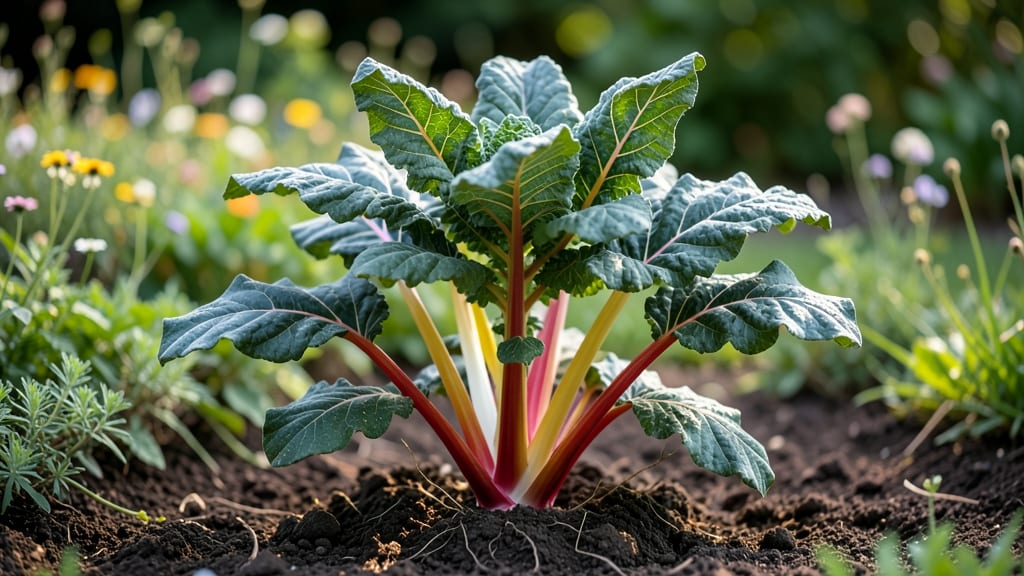
If you’ve ever wondered "how tall does Swiss chard grow", you’re not alone—this vibrant 🥬 green can surprise even seasoned gardeners with its range. Some varieties stay compact and bushy, while others shoot up like towering stalks, reaching heights that might make you reconsider your garden layout.
For most gardeners in USDA Zone 6a, Swiss chard typically matures between 12 and 24 inches, but certain heirloom types can stretch up to 3 feet or more. The difference often comes down to variety, soil quality, and sunlight exposure—factors you can control to shape your harvest.
Whether you’re planning a raised bed or a cozy container garden, understanding these height variations helps you space plants properly and maximize your yield. I’ll break down the specifics so you can choose the perfect Swiss chard for your space—and keep it thriving from spring through fall.
Ready to turn your garden into a lush, leafy oasis? Let’s dive into the details that will transform your Swiss chard from a question mark into a standout star of your harvest.

Swiss chard height by variety: compact vs tall growing types
Swiss chard’s height range can surprise first-time gardeners—some varieties stay under 12 inches while others reach 3 feet or taller. The difference comes down to genetics, growing conditions, and how you manage the plants.
Understanding these variations helps you choose the right variety for your space, whether you're growing in containers, raised beds, or a full garden plot.
Most gardeners focus on two main growth habits: compact bush types and tall, stalk-forming varieties. Compact types like 'Bright Lights' typically max out at 18–24 inches, making them perfect for small gardens or container growing.
Meanwhile, varieties like 'Fordhook Giant' can stretch toward 36 inches or more, requiring more space and support. Let’s break down the specifics by popular variety.
| Variety | Mature Height | Growth Habit | Ideal Spacing (inches) | Best For |
|---|---|---|---|---|
| Bright Lights | 12–24 inches | Bushy, compact | 12–15 | Containers, small gardens |
| Fordhook Giant | 24–36 inches | Tall, stalk-forming | 18–24 | Full garden beds |
| Ruby | 18–24 inches | Medium bush | 15–18 | Raised beds, borders |
| Perpetual Spinach | 12–18 inches | Bushy, slow-bolting | 12–15 | Cut-and-come-again |
| Fordhook Crystal | 20–30 inches | Tall, crisp stalks | 18–24 | Stalk harvests |
| Five Color Silverbeet | 15–24 inches | Bushy, colorful | 12–15 | Ornamental gardens |
The leaf shape of Swiss chard plays a key role in its height. Varieties with broad, flat leaves like 'Bright Lights' tend to stay shorter because their energy goes into leaf production rather than stalk elongation.
In contrast, varieties bred for thick, crisp stalks (like 'Fordhook Giant') invest more energy in vertical growth, reaching greater heights. This difference is why stalk varieties often need staking or support to prevent flopping.
If you're growing Swiss chard in containers or raised beds, prioritize compact varieties like 'Bright Lights' or 'Perpetual Spinach'. These stay under 2 feet and thrive in 5-gallon pots with proper drainage.
For larger garden plots, taller varieties like 'Fordhook Giant' can create a dramatic backdrop, but they’ll need 18–24 inches of spacing to avoid crowding and disease.
One common mistake is assuming all Swiss chard grows the same height. For example, 'Ruby' might reach 24 inches in ideal conditions, but in partial shade or poor soil, it could max out at 18 inches.
Always check seed packets for mature height estimates and adjust your planting plan accordingly. Pro tip: Mix heights in your garden for visual interest—place taller varieties in the back and shorter ones in front.
For gardeners in USDA Zones 3–10, height variations also depend on the growing season. In cooler climates (Zones 3–5), Swiss chard may grow slower but taller due to extended daylight, while in warmer zones (Zones 8–10), it might stay shorter and bushier to avoid heat stress.
Always monitor your plants and adjust spacing as they grow to prevent competition for nutrients.
If you're harvesting for both leaves and stalks, taller varieties like 'Fordhook Crystal' are ideal—their thick, crisp stalks are perfect for steaming or sautéing. For continuous leaf harvests, compact varieties like 'Bright Lights' let you pick outer leaves without sacrificing the plant’s structure.
This dual-purpose approach maximizes your yield without overcrowding your garden.
🌿
Factors that influence Swiss chard height: soil, sun, and pruning tips
Swiss chard’s height isn’t just about the variety you plant—soil quality, sunlight exposure, and pruning techniques play huge roles in determining whether your plants stay short and bushy or stretch toward the sky.
Understanding these factors lets you control growth patterns to fit your garden space or harvest needs. For example, nitrogen-rich soil fuels rapid leafy growth, while phosphorus-heavy amendments encourage stronger stems and taller plants.
Sunlight is another game-changer: full sun (6+ hours daily) promotes taller, more upright growth, while partial shade (3-4 hours) keeps plants shorter and bushier. If your garden gets intense afternoon sun, consider light shade cloth to prevent leggy, weak stems.
I’ve seen Bright Lights chard reach 3 feet tall in full sun but stay under 18 inches in partial shade.
🌱
- Soil nutrients: High nitrogen = leafy growth; phosphorus = taller stems.
- Sunlight: Full sun = taller (up to 3 ft); partial shade = shorter (1-2 ft).
- Watering: Consistent moisture prevents stunted growth; drought stress causes leggy plants.
- Pruning: Harvest outer leaves to encourage bushier growth; cut stems to control height.
- Spacing: Tight spacing (12 inches) = shorter plants; wide spacing (18+ inches) = taller growth.
Pruning is your secret weapon for managing height. If your Fordhook Giant is shooting up too fast, pinch back the top leaves to redirect energy to lateral growth. This trick keeps plants at a manageable 24-inch height while boosting leaf production.
I’ve also found that removing lower leaves improves airflow, reducing disease risk and preventing the plant from becoming top-heavy.
Troubleshooting stunted growth? Check your soil pH (6.0-7.0) and drainage—waterlogged roots or compacted soil can halt growth entirely. Amend with compost or perlite to improve aeration.
If your chard is growing tall but floppy, it’s likely nitrogen-deficient. A side dressing of fish emulsion or alfalfa meal can revive it in 2-3 weeks.
For container growers, height control is even more critical. Choose dwarf varieties like Ruby (12-18 inches) and use smaller pots (12-inch diameter) to limit root expansion.
If you’re growing in a raised bed, space plants 12 inches apart for compact growth or 18 inches apart for taller varieties like Bright Lights.
💡 Remember, the goal isn’t just height—it’s harvestable leaves! By tweaking these factors, you can grow Swiss chard that’s perfectly sized for your needs, whether you’re harvesting baby leaves or full-sized stalks.
Next, we’ll dive into when and how to harvest based on plant height for the best flavor and yield.