
How To
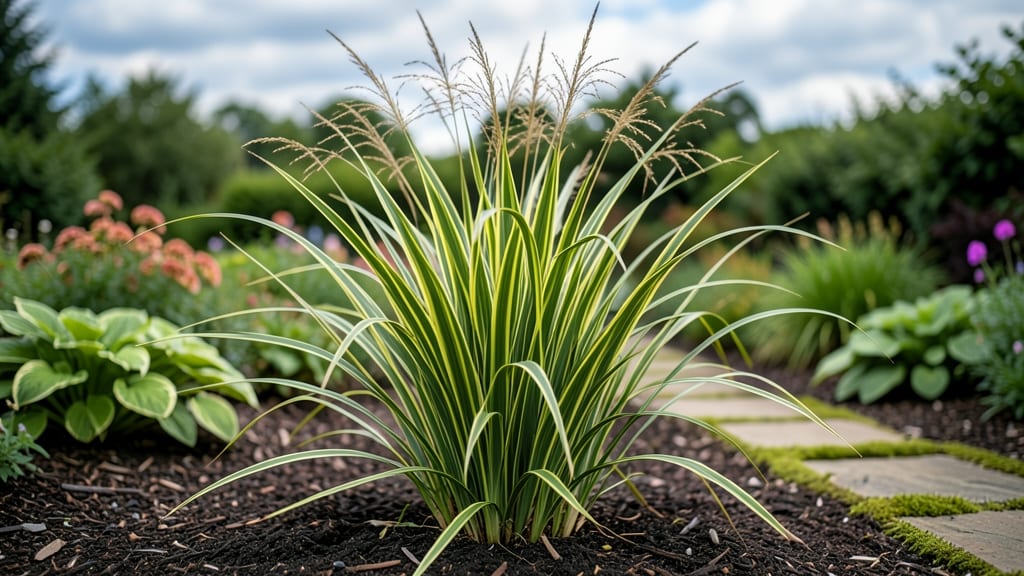
If you're wondering "how tall does zebra grass grow", the answer might surprise you—this striking ornamental grass can reach heights that transform your garden from ordinary to extraordinary.
At maturity, zebra grass typically stands between 1.5 to 2 feet tall, making it the perfect knee-high to waist-high accent for borders, containers, or mixed plantings.
Its upright growth habit and bold striped foliage add texture without overwhelming smaller spaces, which is why gardeners in USDA Zone 6a love it for its low-maintenance charm.
What sets zebra grass apart isn’t just its height but how it behaves in your landscape. Unlike some ornamental grasses that spread aggressively, zebra grass grows in tight clumps, making it easier to control—especially when planted in well-draining soil during its ideal window of April to May.
This means you can enjoy its dramatic presence without worrying about it taking over your garden beds. Plus, its drought-tolerant nature once established means less watering and more time admiring its arching plumes and variegated stripes.
Whether you're designing a modern garden or adding a pop of color to a shady corner, understanding zebra grass’s growth habits is key. This grass thrives in full sun but can also handle partial shade, giving you flexibility in placement. The key to keeping it looking its best?
A light feed in spring and minimal pruning—just trim back dead foliage in late winter to encourage fresh, vibrant growth. With the right care, zebra grass becomes a year-round star, offering winter interest and springtime drama.
Ready to elevate your garden with this versatile grass? I’ll walk you through everything you need to know—from spacing tips to companion plants—to ensure your zebra grass reaches its full potential without becoming a maintenance headache. Let’s dive in!

Zebra grass height by variety: from compact to towering growth patterns
When planning your garden, knowing how tall zebra grass grows helps you choose the right variety for your space. Zebra grass (Miscanthus sinensis 'Zebrinus') typically reaches 1.5 to 2 feet tall at maturity, but growth varies by cultivar.
Some compact types stay closer to 1 foot, while others can stretch toward 3 feet in ideal conditions. Understanding these differences ensures your landscaping stays balanced and intentional.
Zebra grass isn’t just about height—its spreading habit matters too. Most varieties form clumping growth, meaning they stay put rather than spreading aggressively like bamboo. However, some types like 'Meyer’s Zebra' can spread wider if not managed.
This makes spacing critical: plant 12 to 18 inches apart for full visual impact without overcrowding.
Here’s how different zebra grass varieties compare in height and spread:
| Variety | Mature Height | Spread Width | Growth Rate | Ideal Spacing |
|---|---|---|---|---|
| 'Zebra Stripe' | 1.5–2 ft | 2–3 ft | Moderate | 18 in apart |
| 'Meyer’s Zebra' | 2–3 ft | 3–4 ft | Fast | 24 in apart |
| 'Variegata' | 1–1.5 ft | 1.5–2 ft | Slow | 12 in apart |
| 'Zebrinus' | 2–2.5 ft | 2.5–3 ft | Moderate | 18 in apart |
If you’re planting zebra grass for low-maintenance borders, opt for 'Variegata' or 'Zebra Stripe'. These stay shorter and wider, perfect for edging pathways or lining garden beds.
For a dramatic backdrop, 'Meyer’s Zebra' or 'Zebrinus' deliver height and texture, but they’ll need more space to thrive without crowding other plants.
Growth rates also depend on sunlight exposure. Zebra grass thrives in full sun (6+ hours daily), where it grows 1 to 2 feet per year.
In partial shade, expect slower growth—perhaps only 6 to 12 inches annually. This is why I always plant mine in south-facing beds where they get maximum light.
Soil conditions play a role too. Well-draining soil prevents root rot, while sandy or loamy soil encourages faster growth. Amend heavy clay with compost to improve drainage and nutrient uptake. A light spring feeding with 10-10-10 fertilizer boosts early growth, but avoid over-fertilizing—zebra grass prefers lean conditions.
Pruning in late winter or early spring keeps your zebra grass looking tidy. Cut back dead foliage to 3–4 inches tall to encourage fresh growth. This also prevents seed heads from spreading unwanted seeds, which can be a nuisance in smaller gardens.
Regular pruning ensures your zebra grass stays neat and controlled while maintaining its ornamental appeal.
For container gardening, choose dwarf varieties like 'Variegata' and use pots at least 12 inches deep. These compact types handle confinement well, making them ideal for patios or balconies. Just ensure pots have drainage holes to prevent waterlogging, which can stunt growth or cause root rot.
Zebra grass’s textured foliage and bold stripes make it a standout in any garden. Whether you want a tall, dramatic statement or a low, spreading groundcover, selecting the right variety ensures your landscaping succeeds without unwanted surprises.
Zebra grass height by variety: from compact to towering growth patterns
Zebra grass (Miscanthus sinensis 'Zebrinus') is prized for its striking striped foliage, but its mature height varies dramatically depending on the cultivar you choose. Whether you’re designing a low-profile border or a dramatic backdrop, understanding these differences will help you select the perfect variety for your space.
Most zebra grass varieties reach maturity in 2-3 years, with growth patterns influenced by sunlight, soil quality, and regional climate.
For example, the popular 'Meyer’s Zebra' cultivar typically grows to a 3-4 foot height at maturity, making it ideal for taller garden beds or as a focal point. In contrast, dwarf varieties like 'Zebra Stripe' max out around 1.5-2 feet, perfect for edging or container gardening.
Always check the specific cultivar’s growth habits before planting, as some varieties can spread aggressively while others stay more compact.
| Variety | Mature Height | Spread Width | Growth Rate | Ideal Spacing |
|---|---|---|---|---|
| 'Meyer’s Zebra' | 3-4 ft | 2-3 ft | Moderate-Fast | 24-36 in apart |
| 'Zebra Stripe' | 1.5-2 ft | 1.5-2 ft | Slow-Moderate | 12-18 in apart |
| 'Variegata' | 2.5-3.5 ft | 2-3 ft | Fast | 30-36 in apart |
| 'Cabaret' | 4-5 ft | 3-4 ft | Very Fast | 36-48 in apart |
When planting zebra grass, always consider its mature height relative to your garden layout. Taller varieties like 'Cabaret' or 'Variegata' thrive in full-sun locations with well-draining soil, where they can reach their full potential.
For smaller spaces, opt for dwarf varieties and plant them in containers with at least 12-inch deep soil to accommodate root growth. Remember, zebra grass grows best in USDA zones 5-9, so adjust spacing if you’re in a cooler climate where growth may be slower.
Proper spacing is critical to prevent overcrowding, especially for faster-growing varieties. For instance, 'Meyer’s Zebra' should be planted 2-3 feet apart to allow airflow and reduce disease risk.
If you’re using zebra grass as a border plant, stick to dwarf varieties spaced 12-18 inches apart for a neat, contained look. Always mulch around the base to retain moisture and suppress weeds, which can compete with your grass’s nutrient needs.
One common mistake gardeners make is underestimating zebra grass’s spread potential. While height is often the focus, the rhizome system can expand aggressively in fertile soil. If you’re concerned about spread, choose container-grown plants or install underground barriers to contain roots.
For example, a 1-foot deep root barrier can help manage varieties like 'Cabaret' in smaller gardens without sacrificing their dramatic height.
To maximize your zebra grass’s ornamental value, pair taller varieties with low-growing perennials like heuchera or coral bells to create visual contrast. For shorter varieties, combine them with sedum or sempervivum to add texture and color.
Always prune back dead foliage in late winter or early spring to encourage fresh growth and maintain a tidy appearance throughout the season.