
Plants
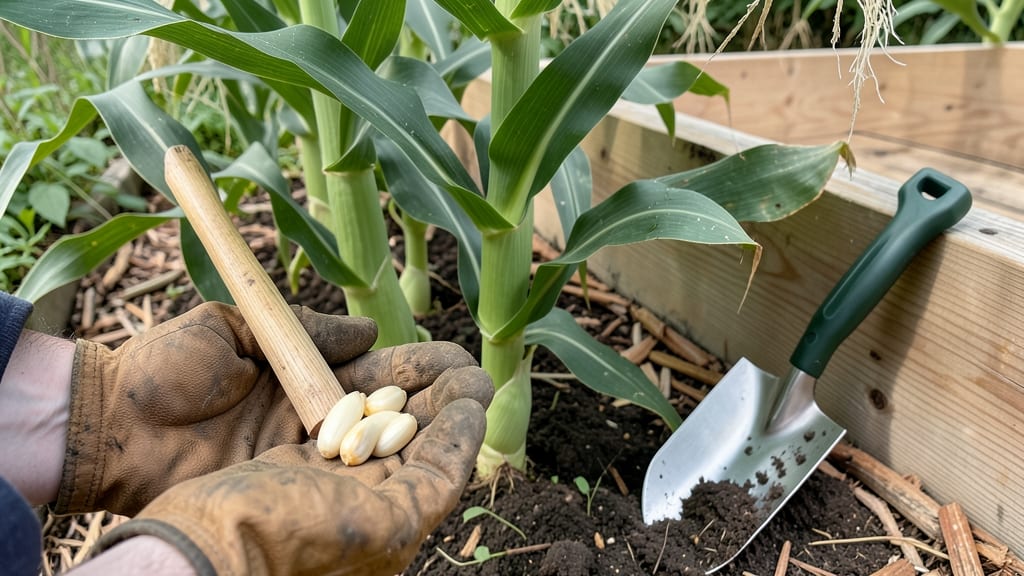
Planting corn in Ohio isn’t just about following a calendar—it’s about catching that perfect window when soil warms enough to fuel strong germination, before unpredictable spring rains or late frosts throw off your plans.
In USDA zones 6a-6b, where Ohio sits, the ideal time stretches from mid-April to mid-May—but that’s only half the story. The real secret lies in waiting for soil temperatures to hit at least 60°F at a 4-inch depth, a critical trigger that ensures your 🌽 seeds sprout reliably.
Northern Ohio’s chillier soils may need a later start, while southern regions can plant earlier.
Why does this matter? Because rushing too soon risks stunted growth from cold soil, while waiting too long cuts harvest time short—especially when fall frosts arrive by mid-October. I’ll show you exactly how to time it right, from testing soil temps to adjusting for Ohio’s unpredictable weather patterns.
Ready to grow corn that thrives? Let’s break down the soil temperature triggers, frost-free dates, and pro tips that’ll help you avoid common mistakes—so you can enjoy a bountiful harvest from July to September.
Ohio corn planting timeline: exact soil temperature triggers for optimal germination
Ohio gardeners know that corn thrives when planted at the right time—but with USDA zones 5-8 and variable spring weather, timing can feel like a moving target. The key isn't just the calendar date; it's when your soil warms to 50°F (10°C) for 4+ inches deep.
This trigger ensures seeds germinate quickly and uniformly, avoiding the dreaded "waiting game" that leads to patchy stands.
Most of Ohio experiences its last spring frost between mid-April and early May, but don't rush to plant immediately. Corn seeds need consistent warmth to sprout, and cold, wet soil can smother them.
For example, in Northeast Ohio, where frost lingers longer, wait until late April to early May. In Southwest Ohio, you might start as early as mid-April—but always verify with a soil thermometer.
Here’s the critical rule: Plant corn when soil temps hit 50°F+ at 4-inch depth. Below this, seeds rot; above it, they germinate in 7-10 days. Use a soil thermometer ($10 at garden centers) or the "finger test"—if the soil feels like a warm bath (not cold), it’s ready.
Pro tip: Check temps in the morning; afternoon heat can skew readings.
🌱
🌽 Ohio Corn Planting Timeline by Region
| Region | Last Frost Avg. | Ideal Planting Window | Soil Temp Trigger | Key Risk |
|---|---|---|---|---|
| Northeast Ohio (e.g., Cleveland, Toledo) | Mid-April | Late April–Early May | 50°F+ (4" deep) | Late frosts |
| Central Ohio (e.g., Columbus) | Early April | Mid-April–Late April | 50°F+ (4" deep) | Cool, wet springs |
| Southwest Ohio (e.g., Cincinnati) | Late March | Early April–Mid-April | 50°F+ (4" deep) | Drought stress |
Source: Ohio State University Extension, 2023 frost data
If you’re planting sweet corn varieties, aim for a 90-day maturity window to avoid fall frosts. For example, 'Silver Queen' (85 days) might just make it in Northern Ohio, while 'Peaches and Cream' (75 days) is safer.
Use your average first frost date (mid-October in most of Ohio) to work backward: Subtract your corn’s days to maturity from 165 frost-free days to pinpoint your deadline.
For example, if your corn takes 70 days to mature and your first frost is October 15, plant by June 15 to guarantee harvest. This math is non-negotiable—skipping it risks immature ears or frost damage.
Use a planting date calculator (like the one from the Ohio State Extension) to automate this for your ZIP code.
One common mistake? Planting too early because the air feels warm. Soil temperature ≠ air temperature. A 70°F afternoon might hide 45°F soil, which will stall germination. Test your soil for 3-5 days before planting to confirm consistency.
If temps dip below 50°F at night, wait—corn seeds won’t germinate below 50°F, and they’ll rot if planted in cold, wet soil.
🌡️
For gardeners in microclimates (like urban heat islands or sheltered valleys), adjust by 1-2 weeks earlier. Notice where frost collects in your yard—low spots freeze first, while south-facing slopes warm sooner.
Use these observations to fine-tune your planting schedule. For instance, if your garden sits in a south-facing slope, you might plant 1 week earlier than the regional average.
Finally, don’t overlook seed depth. Plant corn seeds 1-1.5 inches deep in warm soil; deeper planting in cool soil delays germination. Use a seed starter kit or mark rows with stakes to ensure even depth.
Uneven planting leads to staggered growth, making harvests messy and reducing yield. Mark your calendar for April 15–May 15 as your target window, but always let the soil thermometer be your final judge.
☀️
Ohio corn planting timeline: exact soil temperature triggers for optimal germination
Ohio gardeners know that planting corn too early can lead to frost damage, while waiting too long risks stunted growth. The critical factor isn't just the calendar date—it's soil temperature. Corn seeds need consistently warm soil, ideally 50°F or above at 4-inch depth, to germinate properly.
In Ohio's USDA zones 5-8, this typically aligns with late April to mid-May, but regional differences matter.
Northern Ohio (e.g., Cleveland, Toledo) often waits until mid-May due to later frost dates, while southern Ohio (e.g., Columbus, Cincinnati) can plant as early as late April. The key is monitoring soil—not air—temperature.
A soil thermometer is your best tool, but you can also use the "hand test": Push your hand 4 inches deep; if it feels warm (like bathwater), it's ready.
| Region | Avg. Last Frost | Ideal Planting Window | Soil Temp. Trigger |
|---|---|---|---|
| Northern Ohio | Mid-April | Late April–Mid-May | 50°F+ (4" deep) |
| Central Ohio | Early April | Late April–Early May | 50°F+ (4" deep) |
| Southern Ohio | Late March | Mid-April–Late April | 50°F+ (4" deep) |
If you're planting in raised beds, soil warms up faster, so you can start 1-2 weeks earlier than in-ground planting. For in-ground gardens, wait until the soil stays warm for 5+ days—cold snaps can stall germination.
Pro tip: Use black plastic mulch to raise soil temperature by 5-10°F if you're eager to plant early.
Ohio’s average frost-free date ranges from April 15 (south) to May 1 (north), but don’t rely on averages. Check the National Weather Service or your local Cooperative Extension office for real-time updates.
Planting too early risks seed rot in cold, wet soil, while waiting too long can reduce yield due to shorter daylight hours in late summer.
For heirloom varieties like 'Golden Bantam' (70-day maturity), aim for late April planting to ensure harvest before fall frost. For modern hybrids like 'Pioneer 33N33' (90-day maturity), you have more flexibility but still need to account for Ohio’s 165-day growing season.
Always factor in 75-90 days to maturity when choosing your planting date.
Remember: Corn thrives on consistency. If your soil temperature drops below 50°F after planting, germination slows or stops. Use a row cover or cloches to protect seedlings if late frosts threaten.
The goal is to give your corn a strong start—once those first leaves appear, you’re on the right track!