
Plants
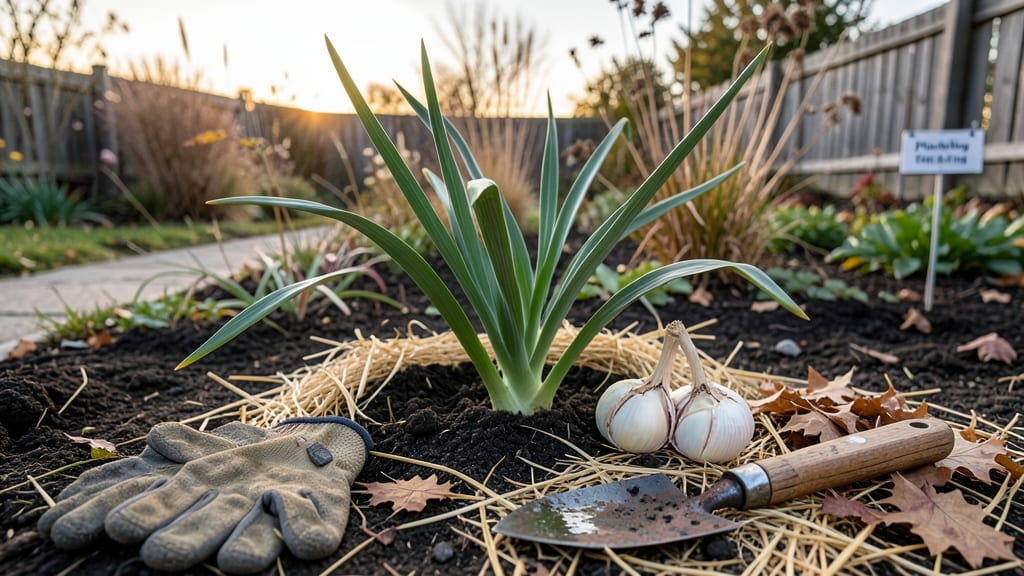
Best planting months for garlic in Alabama by climate zone
Alabama’s USDA hardiness zones 7a-8b create two distinct garlic planting zones: North Alabama (cooler) and South Alabama (warmer). The key is planting 4-6 weeks before the first frost, which typically falls between November 15 (North) and December 1 (South).
This timing ensures garlic establishes roots before winter dormancy but avoids early planting risks like rot.
For North Alabama (zones 7a-7b), aim for mid-October to early November. Soil temperatures should hover around 60°F (15°C)—ideal for root development. In South Alabama (zone 8a), you have a slightly longer window: late October to mid-November.
Warmer soils here mean you can push planting closer to December 1 without risking rot.
Garlic needs 10-12 months to mature, so timing your planting ensures bulbs reach full size by June-July harvest. Miss this window, and you’ll either get small, underdeveloped bulbs or risk frost damage to emerging shoots. Use local frost date data from Alabama Extension to fine-tune your schedule.
🌱
| Zone | Ideal Planting Window | Soil Temp for Planting | First Frost Date | Harvest Month |
|---|---|---|---|---|
| North Alabama (7a-7b) | Mid-October to early November | 60°F (15°C) | November 15 | June-July |
| South Alabama (8a) | Late October to mid-November | 65°F (18°C) | December 1 | June-July |
| Microclimates (e.g., valleys, urban areas) | Adjust by ±1 week based on frost risk | 55-70°F (13-21°C) | Varies | June-July |
🌡️ Pro Tip: Use a soil thermometer to confirm temps before planting.
If you’re in a microclimate—like a sheltered valley or urban heat island—you might extend planting by 1-2 weeks. These areas often experience later frosts or warmer soils. For example, Huntsville (zone 7b) may align with North Alabama’s schedule, while Mobile (zone 8a) can plant closer to December.
Garlic planted in September risks premature sprouting and rot, while December plantings may not mature fully before summer heat. Test your soil’s drainage and pH (6.0-7.0) before planting—poor drainage is a leading cause of failure in Alabama’s heavy clay soils.
For softneck varieties (like Silverskin), which store longer, prioritize the earlier planting window. Hardneck varieties (e.g., Music) tolerate slightly later plantings but still need 10+ months to form scapes and bulbs.
🌿
Use mulch (straw or leaves) after planting to insulate bulbs through winter. In South Alabama, where winters are milder, a light mulch (2-3 inches) suffices. In North Alabama, add 4-6 inches to protect against freezing. Remove mulch in early spring to prevent overheating.
Alabama’s humid climate also means garlic needs well-draining soil to avoid fungal diseases like white rot. Amend heavy clay with compost or sand to improve aeration. Raised beds work well for gardeners with poor soil drainage.
How to time your garlic planting for maximum yield in Alabama
Alabama’s mild winters and humid summers create a unique challenge for garlic growers. Unlike northern states, we can’t rely on a long freeze cycle to break dormancy—so precise timing matters.
The key is planting 4-6 weeks before the first hard frost (typically mid-November in most of Alabama), but adjusting for your specific microclimate can mean the difference between plump bulbs and disappointing harvests.
For North Alabama (USDA zones 7a-7b), aim for early October to early November. In South Alabama (zones 8a-8b), extend your window to late October through early December—since milder winters reduce frost risk.
Remember, garlic needs 60-80 days of cold temperatures (below 40°F) to form proper bulbs, so don’t rush planting in warmer southern regions.
🌱 Numbered Highlights: Alabama Garlic Planting Timeline
- Step 1: Test soil temperature—ideal range is 40-50°F at planting time.
- Step 2: Break garlic bulbs into individual cloves (keep papery skin intact) 1-2 weeks before planting.
- Step 3: Plant 2 inches deep, 4-6 inches apart, with the pointy end up.
- Step 4: Mulch heavily (4-6 inches) with straw or leaves after planting to insulate roots.
- Step 5: Remove mulch in early spring to prevent rot before harvest.
Don’t let soil moisture fool you—Alabama’s clay-heavy soils can stay damp long after surface temperatures drop. Amend your beds with compost or sand to improve drainage, especially in low-lying areas where water pools.
A simple permeability test (dig a hole, fill with water, see how fast it drains) can save your crop from rot.
For gardeners in warmer microclimates (like urban heat islands or protected valleys), consider high-elevation planting where nights stay cooler. Alternatively, use black plastic mulch in early spring to warm the soil and jumpstart growth if you’re pushing the late-winter planting window.
Companion planting can also extend your garlic’s growing window. Pair it with onions, lettuce, or kale to maximize space and deter pests like thrips. Avoid planting near beans or peas, which compete for nutrients and can stunt bulb development.
Finally, mark your calendar for harvest time—typically late June to early July in Alabama. The moment lower leaves turn brown and the bulb feels firm is your cue to dig. Cure them in a shady, dry place for 2-3 weeks before storing.