
Plants
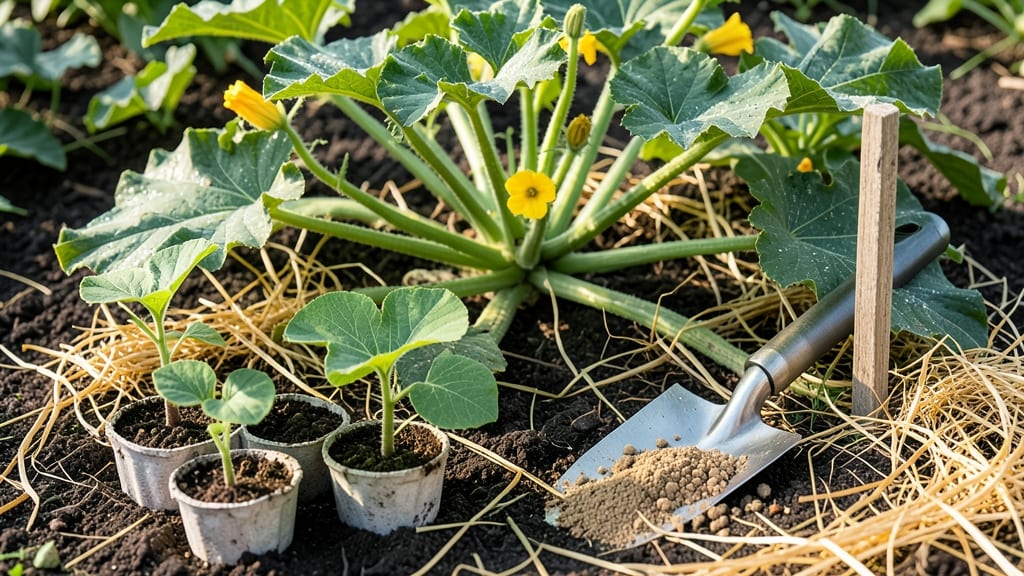
Timing your pumpkin 🎃 planting just right in Michigan is the difference between a Halloween jack-o'-lantern masterpiece and a sad, underripe gourd. With Michigan’s 5b or 6a climate, getting those seeds in the ground too early or too late can leave you scrambling in October.
Most gardeners assume they have plenty of time, but Michigan’s unpredictable last frost dates (mid-to-late May) mean waiting too long can cut your growing season short. The key is planting between mid-May and early June—or risk having pumpkins that never quite reach their full potential by Halloween.
I’ve grown pumpkins in Michigan for years, and I’ll show you exactly how to calculate your perfect planting window based on your zone, variety, and even soil temperature. No more guesswork—just a foolproof plan to ensure your pumpkins are ready to carve by October 31st.
Ready to avoid the common mistakes that leave Michigan gardeners with half-baked pumpkins? Let’s dive into the frost-free deadlines and pro tips that’ll make this your best Halloween harvest yet.
Michigan’s frost-free deadlines by Zone: critical pumpkin planting windows
Michigan’s USDA zones 4-6 create unique challenges for Halloween pumpkin growers. The last frost date varies dramatically—from mid-May in the Upper Peninsula to early June in southern Michigan. To guarantee Halloween-ready pumpkins, you must align your planting with these frost-free deadlines and your pumpkin’s days-to-maturity.
For example, a 90-day variety planted in early June will mature just in time for October 31st in most of Michigan. However, gardeners in Zone 4 (like Traverse City) face a shorter growing season, requiring earlier planting or faster-maturing varieties.
The key is understanding your first frost risk—typically mid-to-late October—and counting backward from October 31st.
Here’s the critical data you need to plan:
| USDA Zone | Last Frost Date | First Frost Date | Ideal Planting Window | Days to Maturity Needed |
|---|---|---|---|---|
| Zone 4 (e.g., Traverse City, Marquette) | Mid-May | Mid-October | Early May (for 90-day varieties) or Late July (for 75-day varieties) | 75-90 days |
| Zone 5 (e.g., Grand Rapids, Lansing) | Late May | Late October | Mid-May to early June (for 90-day varieties) | 90-100 days |
| Zone 6 (e.g., Detroit, Ann Arbor) | Early June | Early November | Early June (for 90-day varieties) or Late July (for 75-day varieties) | 90-110 days |
Notice how Zone 4 gardeners must plant earlier or choose faster-maturing varieties like ‘Jack Be Little’ (75 days) or ‘Autumn Gold’ (80 days). Meanwhile, Zone 6 growers have more flexibility but still risk early October frosts if planting too late.
Always check your local Michigan State University Extension for microclimate adjustments—urban areas like Detroit may have 2-3 warmer weeks than rural zones.
Another critical factor is soil temperature. Pumpkin seeds won’t sprout until the soil reaches 60°F. In Michigan, this typically happens 2-3 weeks after the last frost. Use a soil thermometer to confirm—cold soil delays germination and can throw off your entire harvest timeline.
Pro tip: Lay black plastic mulch a week before planting to warm the soil faster.
For Halloween-specific harvests, aim to plant miniature varieties like ‘Munchkin’ (75 days) or ‘Baby Boo’ (85 days) in early June. These stay small enough for carving but still mature in time.
Larger varieties like ‘Howden’ (110 days) are better suited for late-summer harvests or Zone 6 gardeners who can push the season.
Don’t forget about transplanting. If you start seeds indoors, transplant 2-3 weeks before the last frost to give seedlings time to establish. Harden them off first by placing them outside for 2-3 hours daily in the week leading up to transplanting. This reduces transplant shock and ensures stronger vines.
Finally, account for unpredictable weather. Michigan’s late-summer heat waves can accelerate growth, while cool, rainy spells in August may slow it down. Keep a growth journal to track your pumpkins’ progress and adjust watering or fertilizing as needed.
The goal is to have fully mature pumpkins with hard rinds by October 15th—giving you a 2-week buffer before frost.
With these zone-specific deadlines and soil temperature rules, you’ll avoid the heartbreak of underripe pumpkins on Halloween night. Next, we’ll dive into how to calculate your exact planting date based on your chosen variety and local conditions—so you can carve that perfect jack-o’-lantern with confidence! 🎃
How to calculate your exact pumpkin planting date for Halloween harvests
Michigan’s short growing season means every day counts when planting Halloween pumpkins. To nail your October 31st harvest, you’ll need to calculate your exact planting date based on your pumpkin variety and days to maturity.
Start by checking the seed packet for the variety’s minimum and maximum days to harvest—most range from 75 to 120 days. For example, miniature varieties like 'Jack Be Little' mature in 75-85 days, while giant varieties like 'Atlantic Giant' need 100-120 days.
Next, subtract the days to maturity from your target harvest date (October 31st). If you’re growing a 90-day variety, count back 90 days to land on your planting deadline. For Michigan’s USDA Zones 5b-6a, this typically falls between mid-May and early June.
However, if you’re aiming for larger pumpkins or live in Zone 5b (colder regions), you may need to start seeds indoors 2-3 weeks earlier to extend your growing season.
Don’t forget to account for soil temperature, which must reach at least 60°F for seeds to germinate. In Michigan, soil warms up gradually, so monitor it with a soil thermometer or wait until late May to early June for direct sowing.
If your soil is too cold, your pumpkins will rot in the ground or fail to sprout. Pro tip: Use black plastic mulch to warm the soil faster and give your pumpkins a head start.
If you’re planting late July for a fall harvest, opt for compact or bush varieties like 'Sugar Pie' or 'Waltham Butternut' to save space and ensure faster growth.
These varieties mature in 80-90 days, giving you a better chance to harvest before Michigan’s first frost, which typically hits mid-October. Always err on the side of earlier planting—pumpkins grow slower in cooler weather, and you don’t want your jack-o’-lantern to be half-sized on Halloween!
For gardeners in northern Michigan (Zone 5b), consider using row covers or cold frames to extend your growing season by 2-3 weeks. This can push your planting window slightly later while still protecting your pumpkins from early frosts. Just
🎃