
Plants
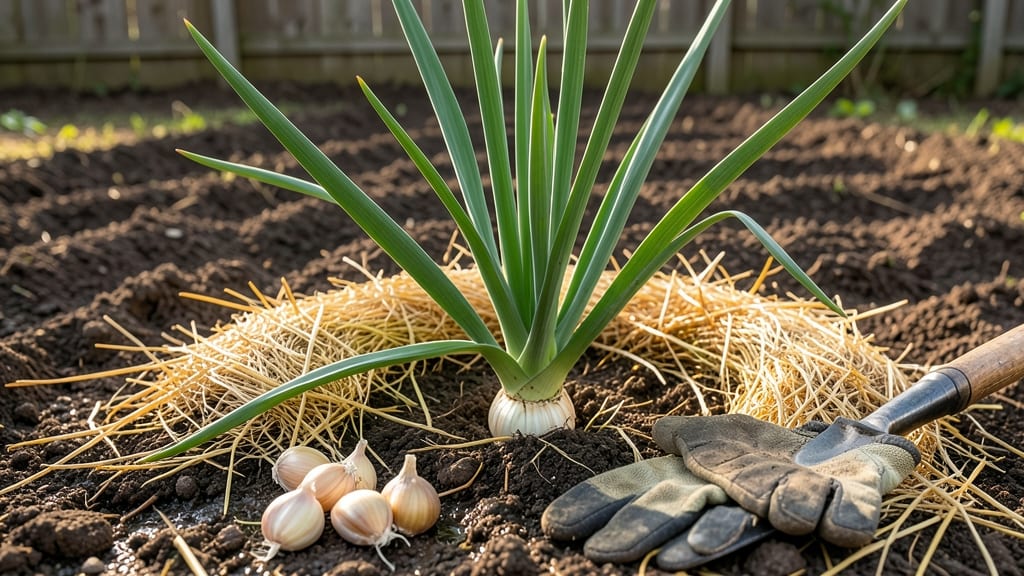
If you've ever wondered when to plant garlic in North Carolina, timing is the secret weapon that separates a thriving crop from a disappointing one. The 🧄 you plant in fall—between October and November—will determine whether you harvest plump bulbs next summer or struggle with weak growth.
North Carolina's diverse climate zones, from the coastal plains to the mountains, create unique challenges for garlic growers. Whether you're in USDA Zone 6b or 8a, getting the timing right means accounting for frost dates, soil temperatures, and even microclimates that can shift planting windows by weeks.
Hardneck varieties, prized for their robust flavor, need that early fall window to establish roots before winter, while softneck types offer more flexibility. I'll show you exactly how to match your variety to your region's frost patterns and soil conditions for maximum success.
Ready to grow garlic that rivals the best from the farmers' market? Let's break down the precise planting schedule, soil prep secrets, and regional adjustments that will make your harvest the envy of your neighborhood.
Best planting months for garlic in North Carolina by variety (hardneck vs softneck)
North Carolina’s diverse climate—from the Coastal Plain to the Mountains—means garlic planting timing varies by USDA zones 7a-8b. Most gardeners here plant in fall, but hardneck and softneck varieties have slightly different windows for success. Let’s break down the exact months and why they matter.
For hardneck garlic, the sweet spot is mid-October to early November. This gives bulbs time to root before winter dormancy while ensuring they experience cold vernalization (40-50°F soil temps) needed for bulb formation.
In Zone 7a (western NC), aim for late October; in Zone 8b (coastal areas), push to early November.
Softneck garlic, like Silverskin varieties, is more forgiving and can be planted throughout October. However, planting too late (after November 15) risks poor bulb development. Softnecks store longer but need consistent cold exposure—just not as strict as hardnecks.
Here’s how North Carolina’s regions align with these timelines:
| Variety | Ideal Planting Window | NC Region Fit | Key Note |
|---|---|---|---|
| Hardneck (e.g., Music, German Red) | Mid-October to early November | Piedmont, Mountains (Zones 6b-7a) | Needs 60+ days below 40°F for bulb formation. |
| Softneck (e.g., Artichoke, Silverwhite) | Early to mid-October | Coastal Plain (Zones 7b-8b) | Less cold tolerance; plant earlier to avoid winter wet. |
| Elephant Garlic (e.g., Inchelium Red) | Late October to early November | All regions (Zone 6b-8b) | Larger bulbs but needs longer growing season. |
Why does this matter? Garlic bulbs form in spring after the plant experiences winter chill. Planting too early (e.g., September) lets cloves sprout before cold sets in, while planting too late (e.g., December) stunts bulb growth.
North Carolina’s first frost typically hits mid-November, so aim to plant 4-6 weeks before that date.
For Zone 7a (Asheville, Boone), October 15-31 is ideal. In Zone 8b (Wilmington, Raleigh), stretch to November 1-15. Use your local cooperative extension service for precise frost dates—every county varies by 5-10 days.
Pro tip: If you miss the fall window, you can plant garlic in early spring (February-March), but bulbs will be smaller and lack the robust flavor of fall-planted garlic. This method works best for softneck varieties in milder coastal areas.
One more critical factor: soil temperature. Garlic cloves need soil at 40-50°F to root. Use a soil thermometer—if temps drop below 32°F, mulch heavily (3-4 inches of straw) to protect cloves. In Zone 8b, this might mean planting as late as November 10.
Ready to plant? Grab your cloves—break apart bulbs into individual cloves, plant the pointy end up, and cover with 1-2 inches of soil. Just don’t wait too long! 🧄
Best planting months for garlic in North Carolina by variety (hardneck vs softneck)
North Carolina’s diverse climate zones (from Zone 7a in the mountains to Zone 8b along the coast) mean garlic planting times vary slightly—but fall is always the golden window.
For hardneck garlic, aim for mid-October to early November, while softneck varieties thrive when planted in late October. These timings ensure bulbs mature fully before summer heat arrives.
Hardneck garlic needs cold stratification (40–50°F soil temps) to form scapes and bulbs, making October-November ideal. Softneck, however, prefers warmer winters and can handle slightly later plantings in Zone 8a/8b. Coastal areas may extend planting into early December, but avoid planting after the first frost.
Here’s how to align your planting with North Carolina’s microclimates:
| Variety | Ideal Planting Month | Climate Zone Fit | Key Note |
|---|---|---|---|
| Hardneck (e.g., 'German White', 'Music') | Mid-October to early November | Zones 6b–7b (Piedmont/Mountains) | Needs cold for scapes/bulbs |
| Softneck (e.g., 'Silverskin', 'Artichoke') | Late October | Zones 7a–8b (Coastal/Piedmont) | Tolerates milder winters |
| Both (Coastal NC) | Early December (Zone 8b) | Extended growing season | Use mulch to protect |
For Zone 7a (mountains), plant by October 15 to avoid winter kill. In Zone 8a/8b (coastal), you can push planting to November 1, but cover with straw mulch (4–6 inches) to insulate bulbs. Test soil temps with a soil thermometer—aim for 40–50°F at planting depth (2–3 inches).
Pro tip: Use local garlic varieties like 'Chesapeake' (softneck) or 'Chet’s German Red' (hardneck) for better adaptation. These thrive in NC’s humidity and heat without bolting prematurely. Spring planting is possible but yields smaller bulbs—reserve this for experimental batches.
Timing isn’t just about months—it’s about soil readiness. Wait until nighttime temps stay below 50°F consistently. This ensures garlic enters dormancy properly, setting the stage for next summer’s harvest. Miss this window, and you risk weak bulb formation or premature sprouting.