
Plants
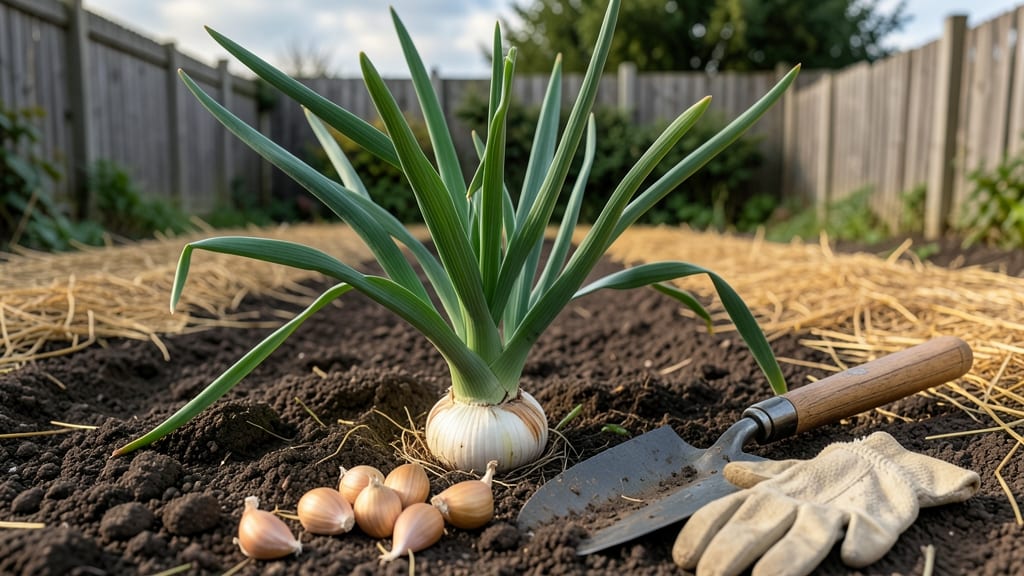
Planting garlic in Oklahoma isn’t just about throwing cloves into the ground—it’s about timing it perfectly to beat the state’s unpredictable frost and unlock those bold, flavorful bulbs you crave.
The ideal window is narrow: October to November, when soil temps dip but haven’t frozen solid, giving your 🧄 a head start before winter’s chill. Skip this timing, and you risk stunted growth or bulbs that never fully mature.
Here’s the game-changer: Oklahoma’s 6a-8a zones shift your planting dates by weeks, depending on whether you’re in the panhandle or the Ozark foothills. Hardneck varieties (like ‘Silverskin’) thrive when planted 4-6 weeks before the first frost, while softneck types can stretch the window slightly later.
But don’t guess—miss the mark, and your harvest could turn into a bust by next summer.
Soil prep is your secret weapon. Loosen the earth to 2 inches deep, space cloves 4-6 inches apart, and mulch heavily to insulate roots through winter’s wild swings. This isn’t just gardening; it’s a high-stakes dance with Oklahoma’s climate.
Let’s break down the exact dates, soil tricks, and frost hacks to turn your garlic dreams into a flavor-packed reality by harvest season.
Ready to grow garlic that’ll make your neighbors jealous? I’ll walk you through the critical steps—from choosing the right variety for your zone to spotting the perfect harvest cues (like those papery skins and firm bulbs). No more second-guessing, just bold, homegrown success.
Oklahoma garlic planting dates by frost zone: hardneck vs softneck varieties
Oklahoma’s USDA zones 6a-8a create unique challenges for garlic growers, but understanding your specific zone helps you pinpoint the perfect planting window. Most Oklahoma gardeners plant garlic in fall (October-November), but hardneck and softneck varieties have slightly different needs.
Let’s break it down by zone and variety to maximize your harvest.
Hardneck garlic (rocker varieties) thrives in colder winters, making it ideal for Oklahoma’s northern zones (6a-7a), like Oklahoma City and Norman. These varieties need cold vernalization (40-50°F soil temps for 6-8 weeks) to form bulbs.
Softneck garlic, common in southern zones (7b-8a), like Tulsa and Lawton, tolerates milder winters but still benefits from early fall planting.
Here’s your zone-specific planting timeline, including adjustments for Oklahoma’s unpredictable frost dates and microclimates. Always plant 4-6 weeks before the ground freezes—this gives roots time to establish before winter dormancy.
| Zone | Hardneck Planting Window | Softneck Planting Window | First Frost Date | Key Notes |
|---|---|---|---|---|
| 6a (e.g., Altus, Woodward) | October 1–15 | October 15–31 | November 5 | Coldest zone; prioritize hardneck. Use mulch to protect from harsh winters. |
| 7a (e.g., Oklahoma City, Stillwater) | October 15–November 1 | November 1–15 | November 15 | Best for both types. Monitor soil temps—plant when they hit 50°F. |
| 7b (e.g., Tulsa, Muskogee) | November 1–15 | November 15–December 1 | November 20 | Milder winters; softneck performs well. Late planting still works if soil is workable. |
| 8a (e.g., Lawton, Ardmore) | November 15–December 10 | December 1–15 | November 25 | Warmest zone; softneck preferred. Plant as late as possible for spring harvest. |
If you miss the fall window, spring planting is possible but yields will be smaller. For spring planting, sow cloves in February-March (after the last frost) and expect harvests by late summer. However, fall-planted garlic always produces larger, more robust bulbs due to winter vernalization.
Oklahoma’s elevation changes also affect timing. Higher elevations (e.g., Wichita Mountains) experience earlier frosts, so plant 2-3 weeks earlier than lower areas. Conversely, urban heat islands (like Oklahoma City) may delay frost, giving you a slightly extended window.
For hardneck varieties, aim for ‘German White’, ‘Music’, or ‘Silverskin’—these handle Oklahoma’s winters well. Softneck types like ‘Artichoke’ or ‘California Early’ suit milder southern zones. Always buy organic, untreated seed garlic from reputable suppliers to avoid diseases.
Once you’ve nailed your planting date, focus on soil prep. Garlic loves well-draining, slightly acidic soil (pH 6.0-7.0). Work in compost or aged manure before planting, and avoid fresh nitrogen-rich fertilizers, which encourage leafy growth at the expense of bulbs.
After planting, mulch heavily (4-6 inches) with straw or leaves to insulate bulbs through winter. This prevents heaving (bulbs pushing out of the soil) and keeps roots cool. Remove mulch in early spring to allow soil to warm for growth.
Timing your garlic planting in Oklahoma isn’t just about frost dates—it’s about balancing cold requirements, soil conditions, and variety needs. Use this guide as your starting point, then adjust based on your specific microclimate and past success (or failures!).
With the right timing, you’ll be harvesting plump, flavorful bulbs by June or July. 🧄
5 Critical factors that determine your Oklahoma garlic planting window
Oklahoma’s garlic planting success hinges on more than just frost dates—soil temperature, elevation, and even moisture levels play starring roles. Unlike northern states, Oklahoma’s USDA zones 6a-8a experience dramatic temperature swings, making these factors non-negotiable for robust bulbs.
First, soil temperature must hit 40-50°F before planting. Cold soil delays sprouting, while warm soil (above 55°F) risks premature growth. Test your soil with a soil thermometer—this is your green light for planting.
Elevation matters too. Higher areas (like the Ozark Plateau) freeze earlier than Oklahoma City’s lower elevations. Adjust planting by 2-4 weeks earlier if you’re above 1,000 feet. For example, plant in late September in zone 7a (like Tulsa) but wait until mid-October in zone 6a (like Altus).
Moisture is another Oklahoma wildcard. Our unpredictable rainfall can turn soil to mud or leave it bone-dry. Aim for consistent moisture—not soggy—during the 6-8 weeks before harvest. Mulch with straw or leaves to retain humidity without suffocating cloves.
Don’t overlook spring weather chaos. Oklahoma’s late frosts (even into April) can devastate early garlic. Plant 4-6 weeks before your average first frost—not just the “official” date. Check local microclimates: North-facing slopes freeze faster than south-facing beds.