
Plants
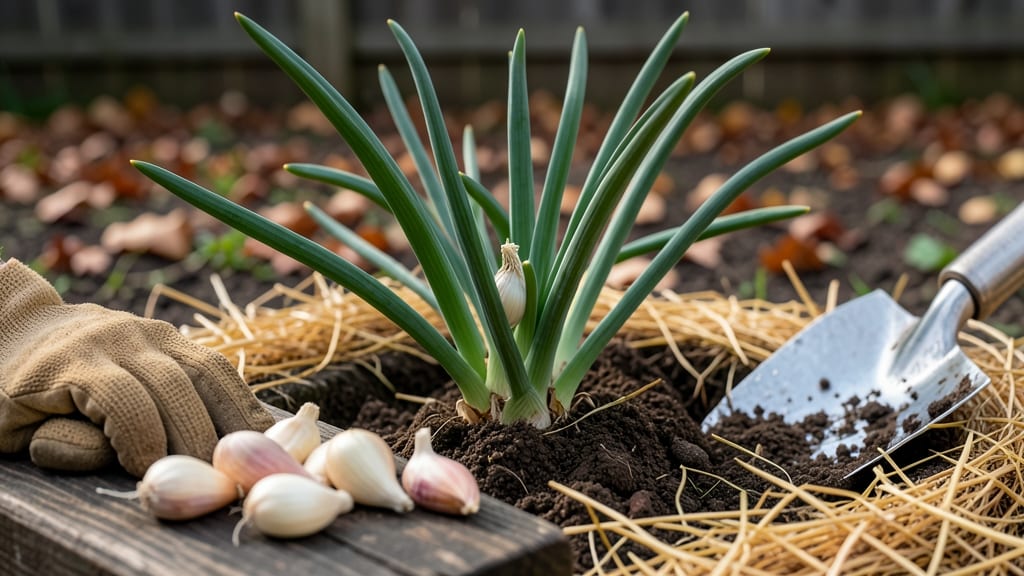
Planting garlic in Virginia at the right time is the secret to growing those bold, flavorful bulbs you crave—because timing isn’t just about the calendar, it’s about the climate. If you miss the sweet spot between October and November, your harvest could end up small, weak, or worse—completely wasted.
The key lies in understanding how Virginia’s USDA zones 6a-7b and unpredictable frosts shape the perfect window.
Most gardeners assume garlic is a one-size-fits-all crop, but in Virginia, where winters can be mild in some areas and harsh in others, the difference between a thriving crop and a flop comes down to a few weeks of preparation.
Whether you’re a seasoned gardener or just starting, knowing when to tuck those cloves into the soil—and how to care for them—will make all the difference when harvest season rolls around in late June or July.
I’ve spent years growing 🧄 garlic in Virginia’s soil, and let me tell you: the best bulbs come from planting in the fall, not spring. But there’s more to it than just the month—soil temperature, frost dates, and even the type of garlic you choose play a role.
In this guide, I’ll walk you through the exact steps to plant garlic for a bigger, healthier harvest, no matter where you are in the state.
Ready to grow garlic that rivals what you’d find at the farmers’ market? Let’s dive into the ideal planting dates, soil prep tips, and care tricks that’ll turn your garden into a garlic powerhouse—starting with the first frost.
Virginia’s best garlic planting dates by USDA Zone (7a vs 7b)
Virginia’s USDA Zones 7a and 7b create subtle but important differences in garlic planting timing. In Zone 7a, where winters are slightly colder, garlic thrives when planted 4-6 weeks before the first hard frost—typically between mid-October and early November.
For Zone 7b, with milder winters, you can extend planting until late November while still ensuring the soil stays cool but unfrozen during dormancy.
The key is planting when soil temperatures drop to 40-50°F—this triggers root growth without encouraging early sprouting. Virginia’s first frost usually arrives in mid-October, so aim to plant garlic cloves 6-8 weeks before that date to give roots time to establish before winter sets in.
Missing this window can result in weak bulb formation or even rot if planted too late.
Spring planting is possible in Virginia but less reliable. If you must plant in spring, do so as early as February (Zone 7b) or March (Zone 7a) to avoid summer heat stress. However, fall-planted garlic consistently yields larger, more flavorful bulbs due to Virginia’s cooler winters and longer dormancy period.
Another critical factor is Virginia’s humidity levels. The state’s damp climate increases the risk of fungal diseases like white rot if garlic isn’t planted at the right time. By planting in fall, you allow bulbs to develop during the driest months (June-July), reducing disease pressure during harvest.
For Virginia gardeners, hardneck varieties like ‘Music’ or ‘German White’ perform best in both zones due to their cold tolerance. Softneck varieties like ‘Silverskin’ can also succeed but require slightly warmer soil conditions.
Always choose certified disease-free seed garlic to avoid introducing pathogens like stemphylium leaf blight, which thrives in Virginia’s humid summers.
Pro tip: Use a soil thermometer to monitor temperatures before planting. Aim for 50°F or below at a 4-inch depth—this ensures roots establish without premature sprouting. In Zone 7a, this often means waiting until early November, while Zone 7b gardeners can plant as late as mid-November.
If you’re new to garlic growing, Zone 7a’s shorter growing season demands extra attention to soil fertility. Amend beds with compost and aged manure before planting to compensate for the cooler climate’s slower nutrient release.
In contrast, Zone 7b’s longer growing season allows for slightly less soil prep, but mulching with straw is essential to protect bulbs from Virginia’s winter rains.
Remember: Garlic planted in fall needs 60-80 days of cold temperatures (below 40°F) to form bulbs properly. Virginia’s winters typically provide this, but unusually warm winters (like in 2016 or 2020) can disrupt bulb development. Monitor weather forecasts and adjust planting dates if mild winters are predicted.
For spring planting, time it so garlic has 120-150 days to mature before Virginia’s summer heat (July-August) stresses the plants. This means starting seeds indoors in February (Zone 7b) or March (Zone 7a) for transplants ready by April.
However, spring-planted garlic rarely matches the size or flavor of fall-planted bulbs.
Virginia’s best garlic planting dates by USDA Zone (7a vs 7b)
Virginia’s climate—especially in USDA Zones 7a and 7b—creates a narrow window for planting garlic successfully. Unlike some crops, garlic thrives when planted in fall, not spring, because it needs cold stratification to form bulbs.
In Virginia, this means timing your planting 4-6 weeks before the first frost, typically between mid-October and early November.
The key difference between Zone 7a (colder) and Zone 7b (warmer) is the exact frost date. In Zone 7a, aim for planting by October 15th to ensure cloves root before winter.
Zone 7b gardeners have until November 1st due to slightly milder temperatures. Missing this window risks cloves sprouting too early or rotting in wet soils.
🌱 Virginia Garlic Planting Dates by Zone
| Zone | Ideal Planting Window | Soil Temp Requirement | Key Consideration |
|---|---|---|---|
| 7a | October 1–15 | 40–50°F | Frost arrives earlier; plant sooner |
| 7b | October 15–November 1 | 45–55°F | Warmer soils; extend window slightly |
⚠️ Pro Tip: Use a soil thermometer to confirm temps before planting.
Spring planting is possible in Virginia but yields smaller bulbs because the cold stratification period is skipped. If you miss fall planting, you can try spring (as early as February) but expect 50% smaller harvests.
For best results, stick to fall and choose hardneck varieties like ‘Music’ or ‘Chesnok Red’, which handle Virginia’s winters well.
Another critical factor is soil preparation. Virginia’s clay-heavy soils benefit from amending with compost before planting to improve drainage. Aim for a pH of 6.0–7.0—garlic hates acidic soils. Test your soil in late summer to give it time to adjust before planting season.
Once planted, mulch with 4–6 inches of straw to insulate cloves through winter. In Zone 7a, this protects against freeze-thaw cycles, while Zone 7b may need less mulch due to milder winters. Remove mulch in early spring to allow soil to warm and encourage growth.
Timing isn’t just about frost—it’s also about daylength. Garlic bulbs form in response to longer daylight hours in spring. Planting too late in fall delays this process, while planting too early risks premature sprouting.
Strike the balance, and you’ll harvest plump, flavorful bulbs by late June or July.
For Virginia gardeners, October is the magic month. Mark your calendar, prep your soil, and plant before the first frost. The effort pays off with bold, homegrown garlic that’s worth the wait! 🧄