
Plants
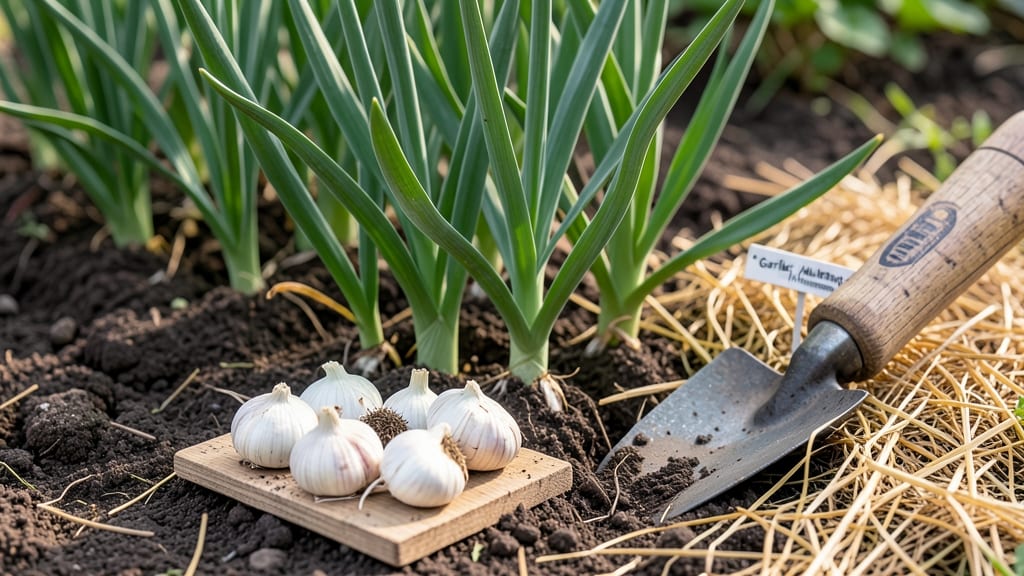
Zone 6 garlic planting calendar: month-by-month breakdown for bulb growth
Timing is everything when planting garlic in Zone 6. Unlike many crops, garlic thrives when planted in fall for a winter chill—this cold stratification process is crucial for bulb development.
In Zone 6, where winters are cold but not extreme, you’ll want to plant 4-6 weeks before the ground freezes, typically between mid-October and mid-November. This window ensures your garlic gets the 40-60 days of cold temps it needs to form strong bulbs.
Zone 6 gardeners often debate whether hardneck or softneck varieties perform better. Hardnecks (like ‘Music’ or ‘German White’) are ideal for Zone 6—they produce scape shoots in spring and handle our climate’s fluctuations well.
Softnecks (like ‘Silverskin’) can also work but may struggle with winterkill if planted too late. I always opt for hardnecks because they’re more forgiving and produce larger bulbs in my Zone 6b garden.
Soil temperature is your best guide for planting. Aim for 40-50°F soil temps—this usually aligns with late October to early November in most of Zone 6. If you plant too early (like September), the cloves may sprout prematurely before winter sets in.
Conversely, planting after mid-November risks the cloves not getting enough cold exposure, leading to small, weak bulbs.
If you miss the fall window, you can try spring planting in Zone 6, but results are hit-or-miss. Spring-planted garlic often produces smaller bulbs because it lacks the winter chill.
I’ve tried it once—my ‘Rocky’ garlic grew, but the bulbs were only half the size of my fall-planted varieties. For best results, stick to fall planting and plan ahead.
Don’t overlook soil preparation—garlic needs well-draining, loose soil with a pH of 6.0-7.0. Before planting, mix in 2-3 inches of compost and a balanced fertilizer (5-10-10). I also add a handful of wood ash to raise pH slightly, as my Zone 6 soil tends to be acidic.
Avoid fresh manure—it can burn cloves and encourage disease.
Spacing is another critical factor. Plant cloves 4-6 inches apart, with 8-12 inches between rows. This gives bulbs room to swell without competing. I use a stick or dowel to mark rows for easy reference.
If you’re short on space, consider interplanting with greens like spinach or lettuce—they’ll mature before the garlic fills in.
After planting, mulch heavily with straw or leaves (4-6 inches). This protects cloves from freeze-thaw cycles and keeps soil temps stable. In Zone 6, where winters can swing from freezing to thawing repeatedly, mulch is non-negotiable.
I’ve seen cloves heave out of the ground without proper mulching, leading to poor bulb formation.
Finally, resist the urge to fertilize in spring. Garlic doesn’t need extra nitrogen once planted—it can actually reduce bulb size. Instead, focus on watering deeply every 10-14 days once growth resumes in spring.
By July, you’ll know it’s harvest time when the lower leaves turn brown and papery. Don’t wait too long—they’ll flop over and rot if left in the ground.
How to adjust garlic planting for Zone 6’s microclimates and frost patterns
Zone 6’s variable frost dates and microclimates mean your garlic’s success hinges on precise timing. While the ideal window is October to November, local conditions can shift that by weeks.
For example, higher elevations (like mountainous areas) may freeze earlier, while urban heat islands can delay frost by 2-3 weeks. Always check your last frost date—aim to plant 4-6 weeks before the ground freezes solid.
If you’re in a cooler microclimate (e.g., near lakes or shaded valleys), plant hardneck varieties slightly earlier (early October) since they thrive with cold stratification.
In warmer pockets (like south-facing slopes), wait until mid-November to avoid premature sprouting. Use a soil thermometer—garlic roots establish best in 40–50°F soil.
Another key factor is snow cover. Areas with heavy winter snow can plant garlic as late as December—the snow insulates the bulbs. But in dry, windy zones, plant by early November to prevent winterkill.
Mulch with 4–6 inches of straw after planting to protect cloves from freeze-thaw cycles.
⚠️ Critical Adjustments for Zone 6
- Elevation: Subtract 1 week per 1,000 ft above sea level.
- Urban areas: Add 2–3 weeks to frost dates (heat traps delay cold).
- Wind exposure: Plant 2 weeks earlier in open fields.
- Snow cover: Late December planting works if snow lasts 3+ months.
🌡️ Pro Tip: Use a local weather app to track soil temps—garlic needs consistent cold to form bulbs.
For spring planting (a riskier option), wait until early March when soil temps hit 40°F. But expect smaller bulbs—fall-planted garlic gets 6–8 months of growth vs. spring’s 3–4 months. If you must try spring, use softneck varieties (like Silverskin)—they tolerate warmer soils better than hardnecks.
Watch for false springs—those unseasonably warm spells in February or March that trick garlic into sprouting too early. If cloves emerge before last frost, cover them with straw or row fabric to protect tender shoots. This prevents frost damage and ensures roots establish before summer heat arrives.
Finally, test your soil—garlic prefers pH 6.0–7.0. In acidic soils (common in Zone 6’s pine forests), add lime 2–3 weeks before planting. Well-drained soil is non-negotiable: clay-heavy areas?
Amend with compost or sand to avoid rot. With these adjustments, your Zone 6 garlic will thrive—even with unpredictable winters.