
Plants
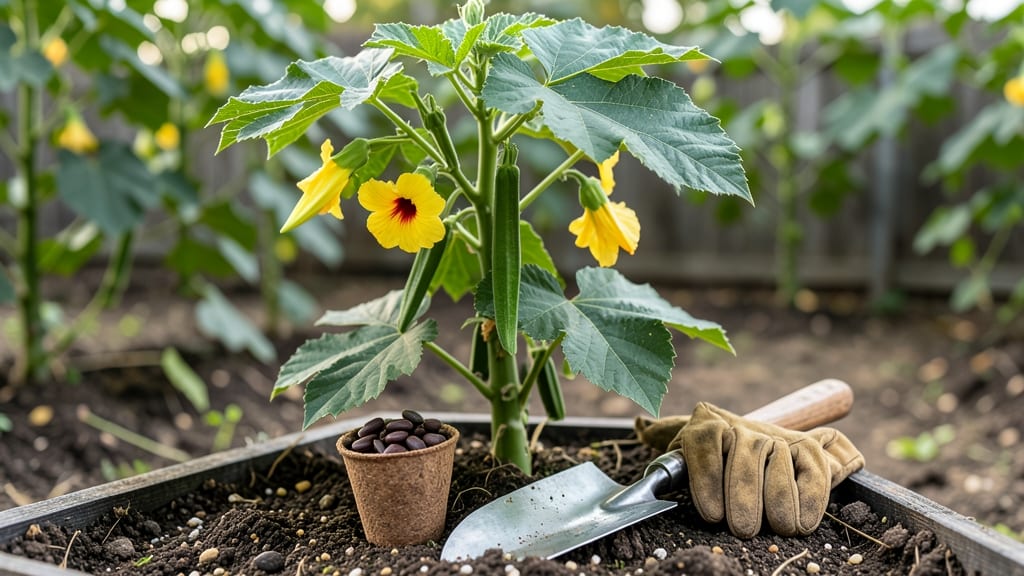
If you're asking "when do you plant okra in Texas", the answer isn't one-size-fits-all—but getting it right could mean the difference between a fast, productive harvest and a disappointing garden.
Texas's diverse climate means North Texas gardeners might wait until late April, while South Texas growers can start as early as March, once soil temperatures hit that sweet spot of 60°F.
Okra thrives in the heat, but planting too early risks stunted growth or even death when cold snaps hit. The key is aligning your schedule with your local last frost date—whether that's mid-February in the Rio Grande Valley or early April in the Panhandle.
And here's the secret: okra isn't just a spring crop; it's a summer powerhouse that can be sown straight through September for late-season harvests.
What most Texas gardeners don't realize is that okra's 60-day growth cycle means timing matters just as much as technique. Plant too late, and you'll miss the summer heatwave this plant craves.
But get it right, and you'll enjoy tender pods from June through October—no matter which part of the state you're in.
Ready to unlock your garden's full potential? Let's dive into the exact planting windows for your Texas zone, plus pro tips to keep your okra growing fast and healthy all season long.
Texas okra planting calendar by frost-free zone (north vs south)
Timing your okra planting in Texas depends heavily on your USDA zone and last frost date. In North Texas (Zones 7-8), wait until April 15 after the last frost, while South Texas (Zones 9-11) can start as early as February 15.
Okra thrives in warm soil—aim for temperatures above 60°F (15°C)—to avoid stunted growth.
Okra is a heat-loving annual that bolts quickly in cooler weather. Planting too early in North Texas risks poor germination, while South Texas gardeners can stretch harvests by sowing in fall (September-October). Always check your local frost-free dates to align with okra’s 60-day harvest window.
🌱
For North Texas gardeners, late April is your best bet to avoid cool soil and ensure 60-day harvests before fall frosts. Use black plastic mulch to warm soil faster if needed.
In Central Texas, you can start as early as late March, but protect seedlings with row covers if nights dip below 50°F (10°C).
Okra’s fast growth (50-60 days to harvest) means you can even try succession planting every 2-3 weeks in South Texas to enjoy pods all summer. Just remember: direct sow seeds—okra hates transplanting and bolts easily when stressed.
If you’re in Zone 9 or 10, don’t miss fall plantings! Sow seeds in September for a winter harvest before the first frost (usually December 1). This trick extends your okra season and keeps pests at bay.
For container gardening in Texas, start seeds indoors 4-6 weeks before your last frost date. Use fast-draining pots (okra despises soggy roots) and move them outside only after nighttime temps stay above 55°F (13°C)
Pro tip: Test your soil before planting—okra prefers slightly acidic to neutral pH (6.0-7.0). Amend with compost or aged manure to boost nutrients, especially in sandy Texas soils. 🌡️ Always monitor soil temperature with a soil thermometer—okra won’t germinate well below 60°F (15°C), even if air temps are warm. Patience here pays off with bigger yields.
How to time okra planting for Texas heat tolerance and fast growth
Timing your okra planting in Texas isn’t just about avoiding frost—it’s about embracing the heat.
Okra thrives in 90°F+ temperatures, but planting too early can lead to stunted growth or even death. Direct-sow seeds only after soil warms to 60°F+, typically by mid-April in North Texas and late March in South Texas.
This ensures your okra plants bolt straight into summer’s ideal growing conditions.
For fastest growth and maximum yield, aim to have okra seedlings established by early June. This gives pods 60-75 days of warm weather to mature before fall’s first frost.
In South Texas (Zones 9-11), you can even plant okra in late February for an extended harvest window, but monitor for unexpected cold snaps.
Pro Tip: Use black plastic mulch to warm soil faster and keep roots cool during Texas’s brutal summer. This trick helps okra grow 30% faster by maintaining consistent soil temps between 70°F-85°F. Just remove the mulch before harvest to avoid soil contamination.
Texas’s long, hot summers are perfect for okra, but succession planting is key to avoiding a glut of pods all at once. Start with your first planting in April-May, then add new seeds every 2-3 weeks until mid-July.
This staggered approach ensures a continuous harvest from June through October, even as summer transitions to fall.
Don’t forget spacing—okra plants need 12-18 inches apart in rows 3 feet apart to prevent overcrowding. In containers, use 5-gallon pots with one plant per container to avoid competition. Proper spacing improves airflow, reducing powdery mildew risk and ensuring larger, straighter pods.
Finally, water deeply but infrequently—okra is drought-tolerant once established, but deep soakings every 2-3 days in summer keep roots happy. Avoid wetting foliage to prevent fungal diseases, and always water in the early morning to let leaves dry before evening humidity sets in.
With these tips, your okra will thrive in Texas heat and reward you with a bountiful, homegrown harvest.