
Plants
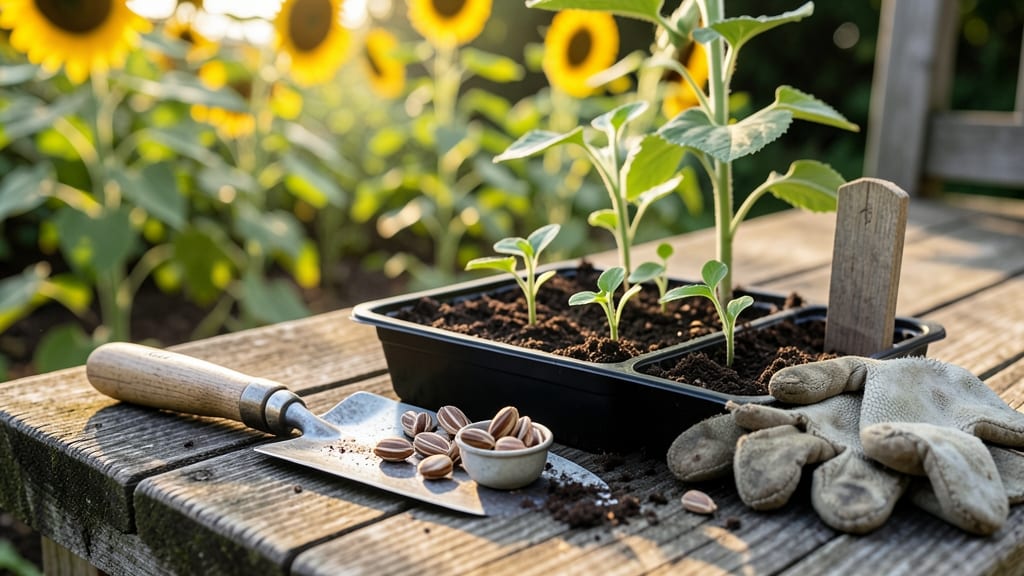
Ohio sunflower planting dates by hardiness zones 5-6 (with frost risk charts)
Ohio’s USDA Zones 5-6 create unique challenges for sunflower planting, thanks to late spring frosts and short growing seasons. The key is planting after the average last frost date—typically mid-April to early May—but with flexibility for Ohio’s microclimates.
In colder Northeast Ohio, wait until May 1-15, while Southeast Ohio gardeners can start as early as April 20 if soil warms quickly.
Sunflower seeds need soil temperatures above 50°F (10°C) to germinate reliably. Use a soil thermometer to confirm—cold soil delays sprouting by 2-3 weeks. In Northwest Ohio, where frosts linger, push planting to late May for safety.
The 30-day germination window means seeds sown in early May will bloom by late June to early July, giving you summer-long enjoyment.
Here’s how Ohio’s three main regions differ in planting timing:
| Region | Last Frost Date | Optimal Planting Window | Germination Timeline |
|---|---|---|---|
| Northeast Ohio (Zones 5) | May 1-15 | May 15-June 1 (soil >50°F) | 30-45 days to sprout |
| Southeast Ohio (Zones 6) | April 20-May 5 | April 25-May 15 | 25-35 days to sprout |
| Northwest Ohio (Zones 5-6) | May 10-20 | May 20-June 10 | 35-40 days to sprout |
| Ohio’s Lowest Risk Window | June 1-15 | June 1-15 (backup) | 20-25 days to sprout (fastest) |
🌱 Note: Late June plantings yield smaller blooms but avoid frost risk.
For fastest germination, aim for May 15-June 1 across Ohio. This window ensures 6-8 hours of sunlight daily and consistent soil warmth. If you miss this, a late June backup planting still works—just expect shorter stems (3-5 feet vs. 8-12 feet).
Use black plastic mulch to warm soil 5-10°F faster if planting early.
Ohio’s first frost typically hits October 15, giving sunflowers 165 frost-free days. Fast-maturing varieties like ‘Teddy Bear’ (56 days) or ‘Autumn Beauty’ (80 days) are ideal for Northeast Ohio, while ‘Moulin Rouge’ (90 days) thrives in Southeast Ohio.
Always check your local frost dates via Old Farmer’s Almanac or NOAA for precision.
Pro tip: Direct sow seeds 1 inch deep, 12 inches apart, and thin seedlings to 18-24 inches for optimal air circulation. In containers, use 5-gallon pots—sunflowers have deep taproots and need room to grow. Avoid transplanting; sunflowers hate root disturbance.
If you’re growing sunflowers for seeds, plant two varieties 10 feet apart to prevent cross-pollination. Ohio’s humid summers can lead to bird damage, so use row covers until stems reach 3 feet tall.
For cut flowers, harvest when 2/3 of petals open—this extends vase life by 5-7 days.
Remember: Ohio’s weather is unpredictable. Always have a backup planting date (e.g., June 15) and row covers ready for late frosts. With the right timing, you’ll enjoy sunflowers towering 10+ feet by July 4th—a true Ohio summer highlight!
How to adjust sunflower planting for Ohio’s unpredictable weather patterns
Ohio’s spring can be a wild card—one day 60°F and sunny, the next 30°F with frost. Sunflowers are resilient, but timing matters. If you plant too early, a late frost will kill seedlings.
Too late, and your summer blooms arrive too close to fall. The key is flexibility—adjusting for soil warmth, frost risk, and heat waves that can stress young plants.
Start by checking your local frost-free date. In Ohio, this typically falls between April 15 (northwest) and May 1 (southeast). Use a soil thermometer to confirm the ground has warmed to at least 50°F (10°C)—sunflower seeds need this warmth to germinate.
If your soil is still cold, delay planting or use black plastic mulch to warm it faster.
For extra protection, use row covers or cloches if planting early. These create a microclimate that shields seedlings from late frosts (common in Ohio’s USDA Zones 5-6). Remove covers once plants reach 4-6 inches tall to prevent overheating.
If a frost warning hits after planting, cover seedlings with lightweight fabric or even old towels—sunflowers can survive 28°F (-2°C) once established, but young sprouts are vulnerable.
Here’s my backup plan for Ohio gardeners: Plant a second batch 2-3 weeks later if your first attempt fails due to weather. This staggered approach ensures at least one batch thrives.
For example, if you plant in early May and hit frost, a June 1 replanting can still yield blooms by late summer.
⚠️ CALLOUT WARNING: Heat Stress in Ohio Summers
Ohio’s summers can bring 90°F+ heat waves, which stress sunflowers by drying out soil and wilting young plants. To prevent this:
- Mulch heavily (straw or wood chips) to retain moisture.
- Water deeply at the base in the early morning.
- Avoid planting after June 15—late sunflowers may not mature before frost.
🌡️ Pro Tip: If temperatures exceed 95°F (35°C), provide afternoon shade with shade cloth until plants acclimate.
Drought is another Ohio challenge. Sunflowers are drought-tolerant once established, but seedlings need consistent moisture. If rain skips a week, water deeply 1-2 times per week rather than shallow daily watering.
Let the top 1-2 inches of soil dry between waterings to encourage deep root growth. For containers, use self-watering pots to prevent soil from drying out too quickly.
Finally, monitor your sunflowers for heat stress signs: yellowing leaves, wilting despite moist soil, or stunted growth. If you see these, trim nearby plants to reduce competition for water and nutrients.
With these adjustments, even Ohio’s unpredictable weather won’t stop your sunflowers from reaching their full 10-foot height by summer’s end.