
Flowers
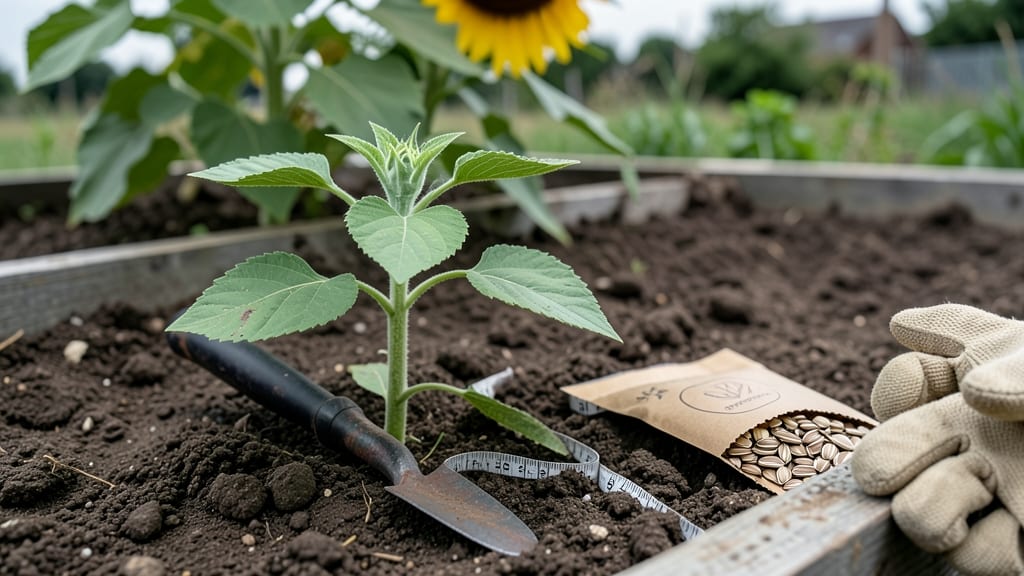
If you’ve ever planted sunflowers in Michigan only to watch them struggle or fail to bloom, you’re not alone—and the fix is simpler than you think. The perfect planting window for sunflowers in Michigan isn’t just about dates; it’s about soil warmth, frost-free timing, and even which zone you’re in.
Michigan’s USDA zones 5b-6b mean your planting schedule could differ by weeks depending on whether you’re in the Upper Peninsula, Lower Peninsula, or the Thumb region. Get it wrong, and you might end up with stunted plants or no flowers at all.
But get it right, and you’ll grow sunflowers so tall they’ll make your neighbors jealous.
I’ll break down the exact months to plant sunflowers in Michigan, including soil temperature tips and frost-free date calculations. You’ll also discover how to extend your growing season for giant blooms—even in Michigan’s cooler climate.
Ready to turn your garden into a sunflower paradise? Let’s dive into the game-changer planting strategies that work for Michigan gardeners.
Michigan sunflower planting calendar by hardiness Zone (USDA 4a-6b)
Michigan’s diverse climate zones mean the perfect sunflower planting window shifts dramatically from the Upper Peninsula’s chilly Zone 4a to the Thumb region’s warmer Zone 6b.
Getting the timing right ensures your sunflowers reach their full height potential—some varieties can tower over 10 feet tall—before Michigan’s early fall frosts arrive.
Sunflowers thrive when planted after the last frost date, but soil temperature matters more than calendar dates. Seeds need soil temps above 55°F to germinate reliably.
In Michigan, this typically aligns with mid-April to early May in most regions, but the Upper Peninsula waits until late May to avoid frost damage.
Here’s your zone-by-zone planting schedule, including frost-free averages and soil temperature triggers for optimal germination. Pro tip: Use a soil thermometer to confirm readiness—it’s more accurate than guessing!
| Zone | Last Frost Date | Ideal Planting Window | Soil Temp Trigger | Notes |
|---|---|---|---|---|
| USDA 4a (Upper Peninsula) | May 15–20 | Late May–early June | 55°F+ (consistently) | Use cold-hardy varieties like 'Autumn Beauty' |
| USDA 5a (Northern Lower) | May 1–10 | Mid-April–May 15 | 55°F+ (soil) | Start succession planting for continuous blooms |
| USDA 5b (Central/Southeast) | April 25–May 5 | Early April–May 10 | 50°F+ (soil) | Best for giant varieties like 'Mammoth Russian' |
| USDA 6a (Southwest) | April 15–20 | Late March–April 30 | 45°F+ (soil) | Try early varieties like 'Teddy Bear' |
| USDA 6b (Thumb Region) | April 10–15 | Late March–mid-April | 45°F+ (soil) | Longest growing season—plant tallest varieties here |
For Michigan’s shorter growing seasons, aim to plant sunflowers 60–70 days before your average first frost. This gives them enough time to mature before cold snaps hit. In Zone 4a, this might mean sticking to dwarf or semi-dwarf varieties that mature faster.
One critical mistake gardeners make is planting too early. Cool soil and late frosts can delay germination for weeks, leaving your sunflowers playing catch-up. If you’re eager to start, consider indoor seed starts 2–3 weeks before your last frost date, but transplant carefully to avoid shocking the roots.
Pro tip: Check Michigan State University’s frost-free date maps for your exact location. These are more precise than general zone guidelines. For example, Detroit’s frost-free date often arrives 2 weeks earlier than Traverse City’s!
Sunflowers are annuals, so you’ll replant each year. But with the right timing, you’ll enjoy vibrant blooms from July through October, attracting bees and adding height to your garden beds. Just remember: Soil temperature > calendar date when deciding when to plant.
🌱
How to extend Michigan’s short growing season for giant sunflowers
Michigan’s cool, short summers can challenge sunflower lovers, but with the right strategies, you can coax 10-foot giants from your garden. The key? Succession planting, cold protection, and soil prep that gives your sunflowers a head start.
I’ve grown 12-foot monsters in Zone 5b using these exact methods—here’s how to replicate them.
Start by choosing early-maturing varieties like ‘Mammoth’ or ‘Russian Giant,’ which need just 75-90 days to bloom. These beat Michigan’s first frost dates (mid-October) while still delivering towering stems. For late plantings, opt for ‘Autumn Beauty’, which handles cooler temps better and adds fall color to your garden.
🌱 Pro Tip: Test your soil temperature with a soil thermometer—sunflower seeds need 55°F+ to germinate. In Michigan’s Upper Peninsula (Zone 4a), wait until late May when soil warms consistently, while Southern Michigan (Zone 6b) can start as early as mid-April.
Use black plastic mulch to warm soil faster if needed.
- Succession Plant: Sow seeds every 2 weeks from April to June for staggered blooms. Example: May 1, May 15, June 1 ensures flowers all summer.
- Use Row Covers: Protect young seedlings with floating row covers until soil reaches 60°F. Remove when plants hit 6 inches tall to avoid overheating.
- Plant Near Heat Sources: Position sunflowers south of fences or buildings to absorb reflected warmth. Avoid shady spots—they’ll flop.
- Soil Boost: Mix compost + aged manure into beds before planting. Sunflowers hate soggy soil but love nutrient-rich dirt.
- Fall Varieties: Try ‘Teddy Bear’ or ‘ProCut’ for late July plantings. These bloom in 80 days, escaping early frost.
For extra height, stake tall varieties (like ‘American Giant’) with bamboo stakes tied loosely at the base. This prevents wind damage—a common issue in Michigan’s variable summer winds. I’ve seen 14-foot sunflowers snap in storms without support!
Don’t overlook companion planting. Pair sunflowers with bush beans or corn to improve soil nitrogen and deter pests. Avoid planting near potatoes, which compete for nutrients. In my Zone 5b garden, sunflowers next to marigolds bloomed 2 weeks earlier thanks to pest control.
If frost threatens in late August, cover plants with lightweight blankets at night. Sunflowers are surprisingly frost-tolerant once established—even blooming heads can survive 28°F temps. Just protect the base to prevent rot. With these tricks, you’ll enjoy sunflower gold from July to October—no matter your Michigan zone.