
Flowers
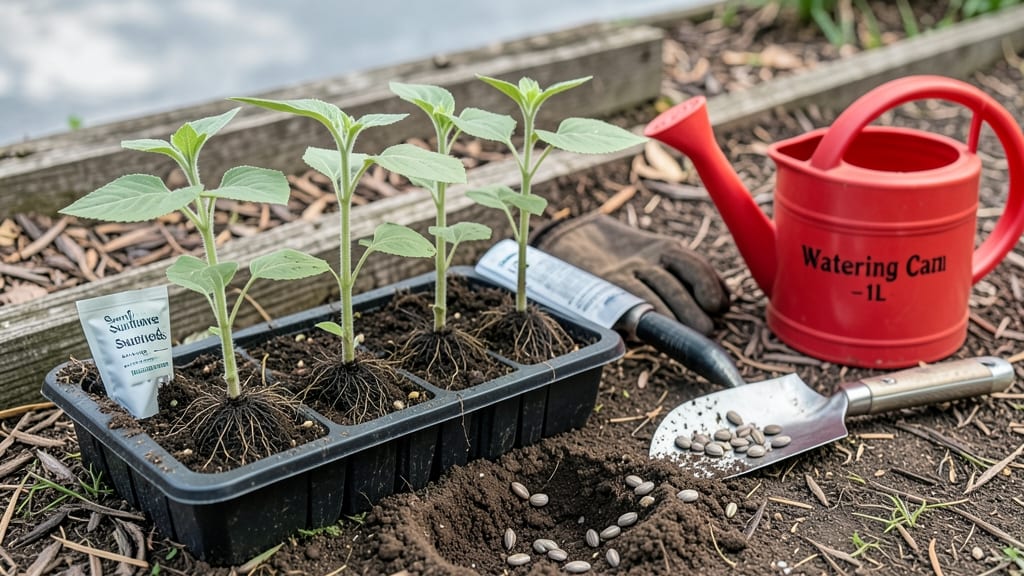
Planting sunflowers in Texas at the wrong time can mean missing out on fast, towering blooms that reach their full potential before summer's relentless heat sets in.
With the right timing, you'll unlock sunflower varieties that thrive in zones 8a-11, growing from 3-foot dwarfs to 16-foot giants in just 60 days.
Whether you're in North Texas where last frosts linger until mid-March or South Texas where winter barely pauses, knowing when to plant makes all the difference. The key is aligning your schedule with your region's unique climate—because what works in Lubbock won't always work in Houston.
I'll break down the exact planting windows for each Texas zone so you can start seeds at the perfect moment for fast germination and maximum height before the heat peaks. Plus, I'll share pro tips to avoid common mistakes that stunt growth or attract pests.
Ready to grow sunflowers that wow? Let's dive into the timing secrets that'll have your garden bursting with 🌻 color from June through October—no matter where you are in the Lone Star State.
Texas planting zones for sunflowers: best months by region
Texas gardeners enjoy one of the longest growing seasons in the U.S., but sunflower timing still depends on your USDA zone and last frost date. North Texas (zones 8a-8b) faces later springs, while South Texas (zones 9a-9b) can plant as early as January.
Let’s break down the ideal planting windows for each region to ensure your sunflowers reach their full 10-16 foot potential.
In North Texas, where frost lingers until mid-March, aim to plant sunflower seeds between late March and early May. This window ensures seedlings emerge after the last frost and mature before summer’s brutal heat peaks.
For Central Texas (8b-9a), you can start as early as February, with the safest window being February through April.
South Texas gardeners have the advantage of year-round warmth, allowing planting from January through March. However, late summer plantings (August-September) can also yield beautiful fall-blooming sunflowers before the first frost in December. Always check your local frost-free date—Texas A&M’s Texas Plant Disease Handbook is a great resource.
🌱
Texas’ extreme heat can stress sunflowers if planted too late. In zones 9a and above, late summer plantings (August-September) work well for fall color, but avoid planting after mid-July in North Texas—your sunflowers may bolt too quickly or struggle to mature before winter.
For container gardening, start seeds indoors 4-6 weeks before your region’s last frost date. Use biodegradable pots to transplant seedlings directly into the garden, minimizing root disturbance. This method extends your planting window by 2-3 weeks in cooler zones.
Always test your soil’s pH level—Texas soils are often alkaline (7.5-8.5). Sunflowers prefer slightly acidic to neutral (6.0-7.0), so amend with sulfur or peat moss if needed. A simple $10 soil test kit from your local garden center solves this problem.
💧
Pro tip: Mark your planting calendar with sunflower maturity dates. Most varieties take 60-90 days to bloom, so late May plantings in North Texas may not flower before winter. Use this maturity timeline to plan:
🌻 60 days: Dwarf varieties (e.g., 'Teddy Bear')
🌻 75 days: Medium-height (e.g., 'Moulin Rouge')
🌻 90+ days: Giant varieties (e.g., 'Russian Giant')
🌿
Texas planting zones for sunflowers: best months by region
Texas spans USDA zones 8a through 11, creating dramatic differences in frost dates and growing seasons. In North Texas (8a-8b), like Dallas and Fort Worth, the last frost typically arrives around March 15.
Meanwhile, South Texas (9a-9b), including Houston and San Antonio, enjoys frost-free conditions by January 15. Central Texas falls somewhere in between, with February 15 to March 15 as the average last frost date.
Sunflowers love warmth, but planting too early in cooler zones risks stunted growth from lingering chilly nights. The ideal window for most Texas gardeners is March through May, aligning with soil temperatures above 60°F.
However, South Texas gardeners can start as early as January for a head start on the growing season.
Here’s how to match your region to the perfect planting timeline:
For North Texas, aim for March planting to avoid late-season wilting. In Central Texas, February sowings give you a jump on summer blooms, while South Texas gardeners can push the envelope with January starts.
Remember, sunflowers are annuals that thrive on heat, so the earlier you plant in warmer zones, the better your chances of taller, more robust blooms before summer’s peak.
If you miss the spring window, don’t despair! Sunflowers are heat-loving plants that can tolerate up to 100°F once established. For a late-season harvest, try planting again in late summer (August) for fall color. Just be sure to choose fast-maturing varieties like 'Teddy Bear' to beat the first frost.
Pro tip: Check your local Cooperative Extension Service for precise frost dates—Texas’ microclimates can vary 1-2 weeks even within the same city. A quick phone call or online search for your zip code ensures you’re planting at the perfect time for maximum sunflower success! 🌻