
Plants
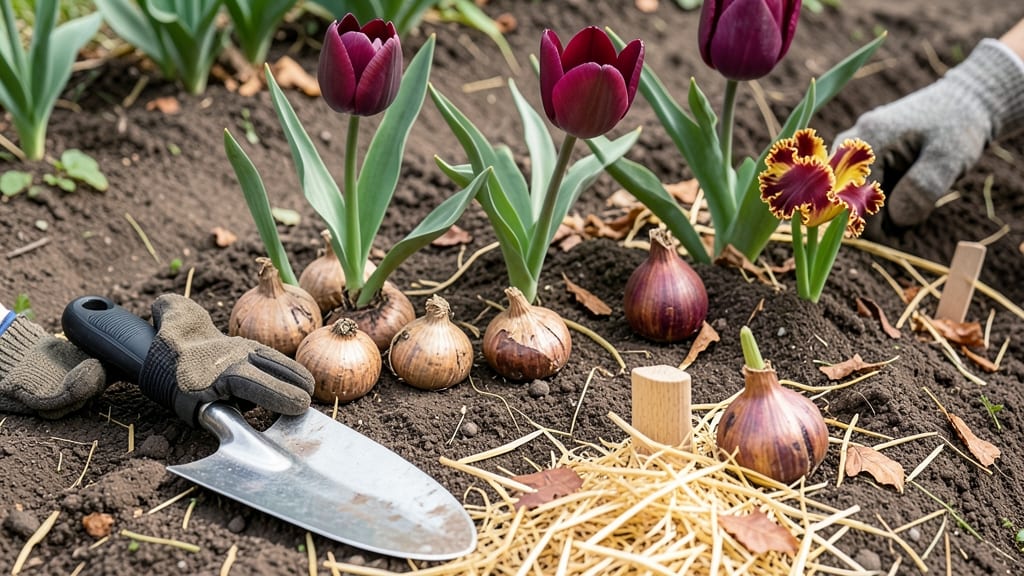
Minnesota tulip planting calendar by USDA hardiness zones (3-5)
Timing your tulip bulbs in Minnesota depends on your USDA zone—zones 3-5 all require different frost-free windows. Plant too early, and frost damages tender roots; too late, and bulbs won’t establish before winter. Aim for 4-6 weeks before ground freezes, which typically falls between mid-September and mid-November.
Minnesota’s cold winters demand precision. In zone 3 (north), plant by early October; in zone 5 (south), you have until mid-November. Soil temperature should drop to 40°F (4°C)—use a soil thermometer to check before planting. This ensures roots anchor before frost sets in.
Here’s your Minnesota tulip planting calendar by zone, with average frost dates and ideal planting windows:
| USDA Zone | Last Frost Date | Ideal Planting Window | Soil Temp Goal | Notes |
|---|---|---|---|---|
| Zone 3a (e.g., Duluth) | October 1–10 | September 15–October 1 | 40–50°F (4–10°C) | Early frost risk; use extra mulch. |
| Zone 3b (e.g., Brainerd) | October 5–15 | September 20–October 5 | 40–50°F (4–10°C) | Plant Darwin hybrids for reliability. |
| Zone 4a (e.g., Minneapolis) | October 10–20 | September 25–October 10 | 40–50°F (4–10°C) | Most flexible zone; late October works if soil is dry. |
| Zone 4b (e.g., Rochester) | October 15–25 | October 1–15 | 40–50°F (4–10°C) | Extend window with row covers. |
| Zone 5a (e.g., Winona) | October 20–30 | October 10–20 | 40–50°F (4–10°C) | Latest zone; plant early November if soil is still workable. |
Pro tip: Use a moisture meter to confirm soil is dry but workable. Wet soil compacts, stunting root growth. If rain delays planting, store bulbs in a cool, dark place (like a fridge) until conditions improve.
For container gardening, plant bulbs in pots by mid-October—containers freeze faster than ground soil. Use well-draining mix with perlite to prevent rot. Place pots in a sheltered spot (e.g., against a garage wall) to shield from wind.
After planting, mulch heavily (4–6 inches) with straw or leaves to insulate bulbs. In zone 3, add an extra layer of burlap over mulch for extreme cold snaps below -20°F (-29°C). This mimics natural snow cover.
Spring blooms hinge on fall prep. Tulips need 6–8 weeks of cold to flower, so don’t rush planting. Wait until after Labor Day (early September) to avoid early frost damage to emerging shoots.
Remember: Minnesota’s microclimates vary. Urban areas (like Minneapolis) may stay warmer longer than rural zones. Check your local cooperative extension service for hyper-local advice. With the right timing, your tulips will punch through snow for spring color you’ll envy.
How to adjust planting time for early or late frost years
Minnesota’s winters are famously unpredictable—one year you’ll have a light frost in early October, and the next, snow blankets the ground by Halloween. If you’re planting tulips in Zone 3b or 4a, this variability can turn your carefully planned garden into a gamble.
The key is flexibility: knowing how to adjust planting dates and protect bulbs when Mother Nature throws curveballs.
Start by monitoring soil temperatures—tulip bulbs need the ground to be below 60°F (15°C) but not yet frozen. Use a soil thermometer or check local USDA frost maps for real-time updates. If frost hits unexpectedly, don’t panic—there are ways to delay planting safely until conditions improve.
For early frost years, hold off planting until late October or November. Store bulbs in a cool, dark place (like a garage or basement) until the ground stabilizes.
If you’re in Zone 3a, consider waiting until November 1st to give bulbs time to establish roots before winter sets in.
⚠️ Frost Warning
Never plant tulips in frozen ground—bulbs will rot. If frost is forecasted within 48 hours, cover planted bulbs with 3-4 inches of straw or leaves to insulate them. Remove mulch in early spring once soil thaws.
In late frost years, where the first frost arrives after October 15th, you have a longer window to plant. Take advantage by adding compost or well-rotted manure to the soil for extra nutrients.
If the ground stays workable into November, go ahead and plant—tulips can handle light frosts after rooting.
For extreme cold snaps in Zones 3-4, add an extra layer of mulch (6+ inches) after planting. Use straw or shredded leaves (avoid grass clippings—they mat down). In Zone 3a, consider a thick layer of evergreen boughs over mulch for added insulation.
Finally, if you miss the fall planting window, don’t despair—tulips can sometimes be planted in early spring (March-April), but expect smaller blooms the first year. Focus on well-draining soil and consistent moisture to help roots catch up.