
Plants
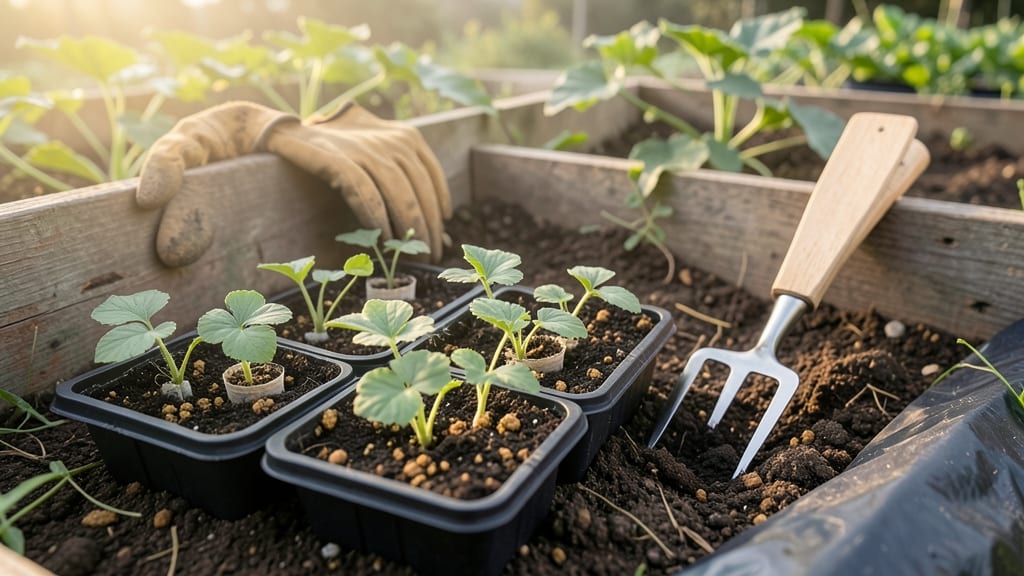
If you've ever dreamed of growing juicy, homegrown watermelons in North Carolina, timing your planting is the key to success—or failure.
The state's diverse climate zones mean your neighbors might be harvesting while you're still waiting for warm soil, and getting it right could mean the difference between sweet victory and bitter disappointment.
North Carolina's frost-free windows vary dramatically from the cooler mountains to the humid coastal plains, and watermelons hate cold soil. Whether you're in the Piedmont or the Outer Banks, planting too early risks frost damage, while waiting too long might cut your harvest short.
I'll walk you through the exact planting windows for your specific zone, plus pro tips to extend your growing season and choose the best varieties for your microclimate.
You don't need a green thumb to grow watermelons—just the right information at the right time. From soil temperature checks to variety selection, I'll cover everything you need to know to start your seeds or transplants with confidence. Let's get your melons 🌱 growing strong and ready for summer feasts.
Ready to transform your garden into a watermelon paradise? The clock is ticking on your frost-free window, and every day counts. Whether you're a first-time grower or a seasoned gardener looking to boost your yields, these insights will help you plant with precision and harvest with pride.
North Carolina watermelon planting timeline by frost-free zones (5a-8b)
North Carolina’s diverse climate—from the mountains of Zone 5a to the coastal plains of Zone 8b—means your watermelon planting window varies dramatically. Getting the timing right ensures your vines thrive before late spring frosts or early fall chills strike.
For most of the state, aim to plant after the last frost date, typically between mid-April and early June, but soil temperature matters more than calendar dates.
Watermelon seeds need soil that’s at least 70°F (21°C)—any cooler, and germination slows to a crawl. Use a soil thermometer to confirm readiness, especially in Zone 5a-6b where nights can still dip.
In Zone 7b-8b, you might even squeeze in a fall planting for late-season harvests, though varieties like 'Crimson Sweet' need 90-100 days to mature.
Here’s how to align your planting with North Carolina’s USDA zones, last frost averages, and ideal soil conditions for maximum yields.
| Zone | Last Frost (Avg.) | Planting Window | Soil Temp. Requirement | Best Varieties |
|---|---|---|---|---|
| 5a-6a (Mountains) | May 1-15 | Late May to early June | 70°F+ (use black plastic mulch) | 'Black Diamond', 'Early Red' |
| 6b-7a (Piedmont) | April 15-May 1 | Mid-April to late May | 65°F+ (wait for consistency) | 'Sugar Baby', 'Crimson Sweet' |
| 7b-8a (Coastal Plain) | March 15-April 15 | Early April to early June | 60°F+ (soil warms faster) | 'Charleston Gray', 'Jubilee' |
| 8b (Coastal) | February 15-March 15 | Late February to July (fall) | 55°F+ (longer season) | 'Moon and Stars', 'Yellow Doll' |
In Zone 5a-6a, where frost lingers until mid-May, I recommend starting seeds indoors 3-4 weeks before the last frost date. Transplant seedlings only after soil hits 70°F—cold soil stunts growth, and watermelons hate soggy roots.
For Zone 7b-8b, you can direct-sow as early as mid-March if you use black plastic mulch to warm the soil faster.
Pro tip: In Zone 6b-7a (Piedmont), watch for late spring frosts in May—use frost cloth for the first 2 weeks after planting. Once vines hit 6 inches tall, they’re resilient enough to handle cooler nights.
Pair this with drip irrigation to keep soil moisture consistent, as watermelons need 1-2 inches of water weekly once established.
For coastal zones (7b-8b), where humidity is high, choose disease-resistant varieties like 'Charleston Gray' and plant in raised beds to improve drainage. Here, you can even try a fall crop—sow seeds in mid-July for harvests before the first frost in December.
Just ensure your chosen variety matures in 75-85 days.
Remember: Watermelons are heat-lovers, so avoid planting until nighttime temperatures stay above 60°F (15°C). If you’re in doubt, err on the side of
Best watermelon varieties for North Carolina’s climate and when to start them indoors
Choosing the right watermelon variety for North Carolina’s climate is key to avoiding blossom-end rot or stunted growth. The state’s humid summers and occasional late frosts demand heat-tolerant, disease-resistant types. I’ve grown Crimson Sweet and Sugar Baby successfully, but regional favorites like Charleston Gray thrive in the Coastal Plain’s heat.
For indoor starts, begin seeds 4-6 weeks before your last frost date. In Zone 7a (Piedmont), that’s mid-March, while Zone 8a (Coastal Plain) can start in early April. Use biodegradable pots to avoid transplant shock when moving seedlings outdoors.
Watermelon Variety Comparison for NC
| Variety | Days to Maturity | Heat Tolerance | Indoor Start Time | Best NC Zone |
|---|---|---|---|---|
| Crimson Sweet | 80-90 days | High | Late March (Zone 7a) | 5b-8a |
| Sugar Baby | 70-80 days | Medium | Early April (Zone 7a) | 6a-8b |
| Charleston Gray | 85-95 days | Very High | Mid-April (Zone 8a) | 7b-9a |
| Black Diamond | 75-85 days | High | Late February (Zone 7a) | 5a-8a |
If you’re in Zone 5a (Mountains), opt for early-maturing varieties like Black Diamond and start seeds indoors by February 15th. For Coastal Plain growers, Charleston Gray handles humidity better than Crimson Sweet, which can develop powdery mildew in sticky conditions.
Pro tip: Use row covers for early plantings to protect seedlings from late spring frosts, which are common in the Piedmont region. Remove covers once vines reach 6 inches to prevent overheating.
For container growing, choose Sugar Baby or Tiny Tim—both thrive in 5-gallon pots and mature faster. Just ensure pots have drainage holes to prevent root rot in NC’s heavy clay soils.
Always harden off seedlings by placing them outdoors for 2-3 hours daily the week before transplanting. This gradual adjustment prevents shock and encourages stronger root systems for your North Carolina watermelons.