
Plants
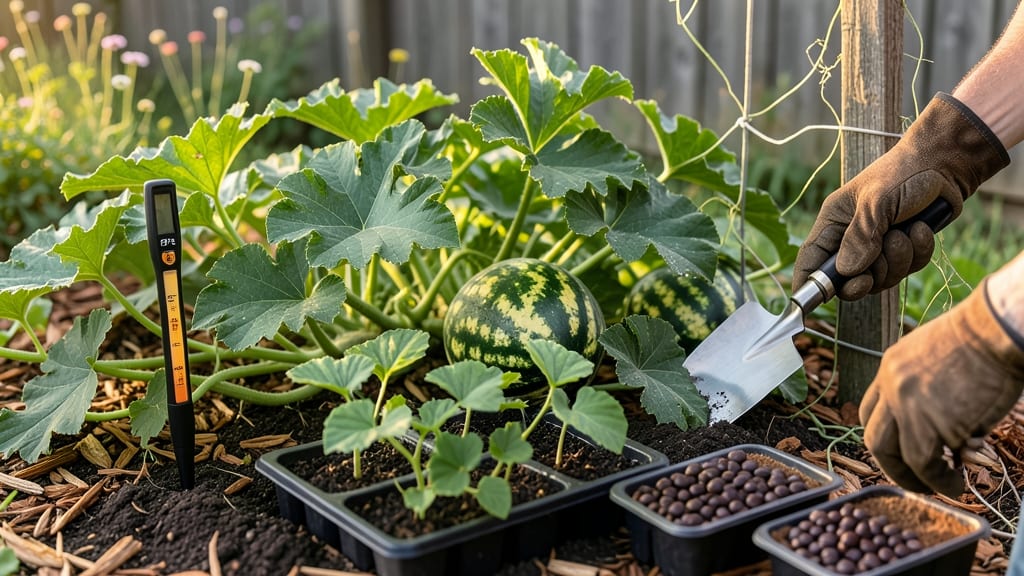
Knowing when to plant watermelon seeds in Georgia could mean the difference between a thriving vine and a failed harvest. With 7b-8b climate zones and unpredictable spring weather, timing is everything to avoid frost damage or scorching heat stress.
Most gardeners in Georgia wait until mid-April to early June, but there’s more to it than just dates. Soil temperature must hit at least 70°F—and that’s where local microclimates come into play.
Whether you're in the Piedmont or coastal plains, understanding your zone’s frost-free timeline is non-negotiable for a successful harvest.
In this guide, I’ll break down the exact planting windows for 🍉 varieties, from early starters to late bloomers, so you can time your seeds perfectly. We’ll also cover soil prep, spacing tricks, and how to beat Georgia’s humidity without sacrificing yield.
Ready to grow watermelons that rival the ones at the farmers' market? Let’s get your garden prepped for a harvest that’ll make your neighbors jealous.
Georgia’s frost-free planting zones & optimal watermelon seed timing
Georgia’s diverse climate—from the mountains to the coastal plains—means your watermelon planting window varies by USDA zone. Most of the state falls under zones 7b-8b, where frost-free dates range from mid-March in southern Georgia to early April in northern regions.
For watermelon seeds, timing is critical: plant too early, and frost will kill tender seedlings; too late, and blistering summer heat can stress young plants.
Watermelons thrive in warm soil (70°F+) and long daylight hours, making April and May the ideal months for direct sowing. However, if you’re starting seeds indoors, begin 4-6 weeks before your last frost date to ensure healthy transplants.
In Zone 8a, that means late February to early March; in Zone 7b, aim for mid-March. Always check your local extension office for precise frost dates—Georgia’s microclimates can shift planting windows by weeks!
Here’s a quick-reference table for Georgia’s key planting zones, frost-free dates, and soil temperature thresholds to nail your watermelon schedule:
| Zone | Avg. Last Frost | Soil Temp. for Planting | Ideal Planting Window | Harvest Window |
|---|---|---|---|---|
| 7b (North GA) | Early April | 70°F+ (21°C+) | Mid-April to early May | Late July to Sept |
| 8a (Central GA) | Mid-March | 70°F+ (21°C+) | Late March to early June | June to Sept |
| 8b (South GA) | Mid-February | 70°F+ (21°C+) | Early March to late May | May to Oct |
For northern Georgia (Zone 7b), where frost lingers later, opt for heat-tolerant varieties like ‘Crimson Sweet’ or ‘Charleston Gray’—they mature faster and handle Georgia’s sweltering July heat better than delicate hybrids.
In southern zones (8a-8b), you can push planting into early June for a fall harvest, but be prepared for pests like cucumber beetles and powdery mildew during humid stretches.
Pro tip: Use a soil thermometer to confirm 70°F+ soil temps—cold soil delays germination. If your garden bed is still chilly, black plastic mulch can warm the soil by 10-15°F in just days, giving your seeds a head start.
This trick is a game-changer for northern Georgia growers racing against frost.
Another critical factor is daylength. Watermelons need long daylight hours (14+ hours) to set fruit, which is why late spring plantings in Zone 7b often yield better than early ones.
If you’re in Zone 8b, you can even experiment with succession planting—sow a second batch in early June for a late-summer harvest when markets are flooded with store-bought melons.
Don’t overlook humidity’s role in Georgia. High moisture levels can prolong germination or invite fungal diseases. To mitigate risks, space seeds 1-2 inches apart in rows 6 feet apart, and harden off seedlings for 7-10 days before transplanting.
This gradual adjustment helps them adapt to Georgia’s intense sun without shock.
For container growers, choose compact varieties like ‘Sugar Baby’ and plant in large pots (15+ gallons) filled with well-draining mix. Containers warm up faster than soil, so you can plant 1-2 weeks earlier than in-ground gardens.
Just ensure pots get full sun (8+ hours) and consistent watering—containers dry out 3x faster in Georgia’s heat.
Finally, mark your calendar for Georgia’s average first frost (mid-November to early December) to plan your harvest timeline.
Most watermelons take 70-90 days to mature, so late May plantings in Zone 7b should yield by late July, while early April plantings in Zone 8b can produce into October if conditions cooperate.
Timing your watermelon seeds right in Georgia isn’t just about avoiding frost—it’s about maximizing sweetness, size, and yield while outsmarting the state’s heat, humidity, and pests. With these zone-specific guidelines, you’ll be well on your way to slicing into homegrown, juicy watermelons that put store-bought varieties to shame. 🍉
Georgia’s frost-free planting zones & optimal watermelon seed timing
Georgia’s USDA zones 7b-8b create ideal conditions for watermelons, but precise timing prevents frost damage or heat stress. The last frost date typically falls between mid-March and early April, while the first frost arrives in mid-November.
This leaves a 210-240 frost-free day window—perfect for watermelons, which need 70-90 days to mature.
For best results, plant seeds after soil temperatures hit 70°F (21°C)—usually mid-April to early June. Northern Georgia (Zone 7b) should wait until late April, while southern regions (Zone 8b) can start as early as early April. This timing ensures vines establish before blistering summer heat arrives.
| Zone | Last Frost | Planting Window | Soil Temp | Harvest Window |
|---|---|---|---|---|
| 7b (North GA) | Mid-April | Late April–May 15 | 70°F+ | July–August |
| 8a (Central GA) | Early April | Early April–June 1 | 70°F+ | June–September |
| 8b (South GA) | Late March | Mid-March–June 10 | 70°F+ | May–October |
If you’re growing early varieties (like ‘Sugar Baby’), start seeds indoors 3-4 weeks before your last frost date. Transplant seedlings after all frost risk has passed, spacing them 3-4 feet apart to allow vines to sprawl.
Southern Georgia gardeners can even squeeze in a second planting in early June for a late-summer harvest.
Watch for soil temperature fluctuations—use a soil thermometer to confirm readiness. Cold soils delay germination, while above 90°F can stress young plants. Mulch with straw or black plastic to stabilize temperatures and retain moisture during Georgia’s intense summer heat.
For maximum yield, align planting with humidity patterns. Georgia’s June-August humidity (50-80%) supports watermelon growth, but high humidity + heat increases disease risk. Choose disease-resistant varieties like ‘Charleston Gray’ to thrive in these conditions.
Pro tip: Mark your calendar for July 4th weekend—this is peak watermelon season in Georgia! By planting seeds 4-6 weeks before, you’ll enjoy ripe, juicy melons just in time for summer BBQs. 🍉