
Flowers
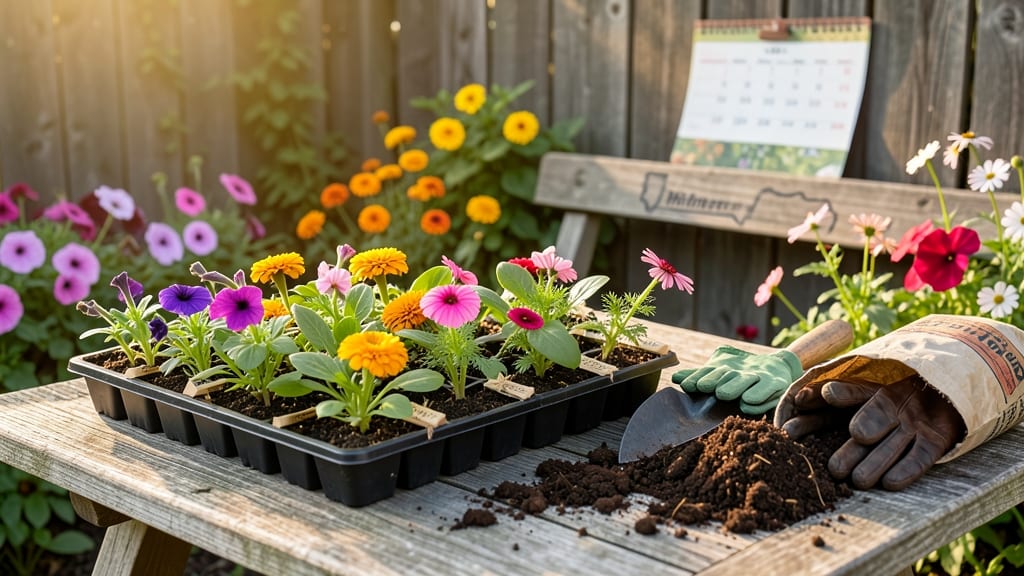
Knowing when is it safe to plant flowers in Missouri can mean the difference between a garden bursting with color and one that never quite takes off. Missouri’s 5b-6b zones bring unique challenges—late frosts in spring and early chills in fall—so getting your timing right is everything.
For 🌸 lovers in Missouri, the ideal planting window stretches from mid-March to mid-May for spring blooms, with fall options opening in early September. But rushing too soon risks frost damage, while waiting too long might leave your garden missing its prime growing months.
Let’s break down the best strategies to ensure your flowers thrive from the first bloom to the last.
You don’t need a green thumb to succeed—just the right knowledge. We’ll cover soil prep, frost-free dates by region, and even which flowers handle Missouri’s unpredictable weather best. Ready to transform your garden into a showstopper? Let’s get started.
Whether you’re a seasoned gardener or just starting out, these tips will help you avoid common mistakes and keep your flowers blooming all season. From pansies that brave early spring to sunflowers soaring in summer, we’ve got you covered.
Missouri planting zones and frost-free dates for flowers: a statewide guide
Missouri's diverse climate—from the humid south to the drier northwest—creates distinct planting windows for flowers. The state spans USDA zones 5a to 7a, with last frost dates varying by 10-14 days across regions.
For example, St. Louis (zone 6b) typically sees its last frost around April 15, while Kansas City (zone 5b) often waits until April 25. These dates determine when you can safely plant cool-season flowers like pansies or heat-loving annuals such as zinnias.
Understanding your exact zone is crucial because even a single late frost can devastate tender seedlings. The Missouri Botanical Garden offers a free interactive zone finder (link in resources) to pinpoint your location.
For instance, Springfield (zone 6a) has a later frost date than Columbia (zone 6b), meaning gardeners in Springfield should wait an extra week before planting tomato plants or petunias.
🌱
| Region | USDA Zone | Avg. Last Frost | Safe Planting Window | Notes |
|---|---|---|---|---|
| St. Louis | 6b | April 15 | March 20 - May 10 | Humid climate; watch for fungal diseases. |
| Kansas City | 5b | April 25 | April 5 - May 15 | Drier soil; amend with compost. |
| Springfield | 6a | April 20 | March 25 - May 5 | Moderate rainfall; mulch heavily. |
| Columbia | 6b | April 10 | March 15 - April 30 | Clay soil; improve drainage. |
| Southeast MO | 7a | March 25 | February 20 - April 15 | Longer growing season; plant early. |
While these dates offer a general guideline, Missouri's unpredictable weather means you should also monitor local forecasts and soil temperatures. A simple soil thermometer (available at garden centers) will confirm when the ground has warmed to at least 50°F—the minimum for most flower seeds and transplants.
For example, marigolds and cosmos can handle slightly cooler soil, while impatiens and geraniums need warmer conditions to thrive.
For fall planting, aim for September 1 to October 15 to give flowers time to establish roots before the first frost, which typically arrives around October 20. Pansies and snapdragons are excellent choices for fall, as they tolerate cooler temperatures and often bloom until winter.
In contrast, summer annuals like zinnias should be planted by May 15 to avoid bolting (premature flowering) in the heat.
🌿
Pro tip: Use row covers or cold frames to extend your planting season by 2-3 weeks in early spring or late fall. These protective barriers shield young plants from late frosts while allowing sunlight to penetrate.
For instance, I’ve successfully grown calendulas and sweet alyssum under row covers in zone 5b as early as March 1, giving me a head start on the season.
Missouri’s microclimates also play a role. Urban areas like St. Louis may experience heat islands, where pavement retains warmth and extends the growing season by 1-2 weeks compared to rural areas.
Conversely, higher elevations in the Ozarks can have cooler microclimates, delaying safe planting by up to 10 days. Always observe your specific yard conditions—a sheltered spot near a brick wall, for example, may warm up faster than an open field.
Finally, don’t overlook historical frost data. The National Oceanic and Atmospheric Administration (NOAA) provides 30-year averages for frost dates, but I recommend checking local records from the past 5 years for patterns.
For example, 2020 saw late frosts in many parts of Missouri, pushing safe planting dates back by 2 weeks. By staying informed, you’ll avoid the heartbreak of frost-nipped blooms and maximize your garden’s potential.
☀️
Best flowers to plant by Missouri month: from cool-season stunners to heat-loving beauties
Missouri's spring and fall planting windows offer perfect conditions for different flower varieties. In March and April, cool-season annuals like pansies and snapdragons thrive, while September and October welcome heat-tolerant zinnias and marigolds.
Each month brings unique opportunities to extend your garden's bloom time and create year-round color.
For spring planting, aim for March 15 to May 15 after the last frost date. Fall planting should occur between September 1 and October 15 to establish roots before winter. Understanding these windows helps you choose the right flower types for each season and maximize their growth potential.
| Month | Best Flowers | Notes |
|---|---|---|
| March | Pansies, Snapdragons, Calendula | Start seeds indoors; hardy to light frost |
| April | Sweet Alyssum, Lobelia, Petunias | Transplant after last frost; full sun needed |
| May | Marigolds, Zinnias, Sunflowers | Direct sow after soil warms to 50°F |
| September | Cosmos, Black-Eyed Susan, Asters | Plant 6-8 weeks before first frost |
| October | Pansies, Sweet William, Stock | Choose cold-hardy varieties for winter color |
In March, focus on cool-season annuals like pansies and snapdragons. These frost-tolerant flowers can handle Missouri's early spring chills and even provide color through light frosts. Start seeds indoors in late winter to get a head start on the growing season.
For April, transplant these seedlings outdoors after the last frost date, typically around April 15.
By May, Missouri's soil has warmed enough for heat-loving annuals like marigolds and zinnias. These sun-seeking flowers thrive in the state's summer heat and attract pollinators. Direct sow seeds after the soil reaches 50°F and all danger of frost has passed.
For fall planting, September is ideal for perennials like cosmos and black-eyed Susans, which establish roots before winter.
October extends your fall blooms with cold-hardy varieties like pansies and sweet William. These winter-friendly flowers provide color even as temperatures drop. Choose varieties labeled "winter-hardy" for the best results. Always check your specific Missouri planting zone for the most accurate frost dates, as they can vary by region.
To extend bloom time throughout the season, practice succession planting. Start cool-season flowers in early spring, then transition to summer bloomers in May. For fall, plant heat-tolerant varieties in late summer for continuous color until frost. This approach ensures your garden remains vibrant from March through October.
Remember that Missouri's clay-heavy soil benefits from amendments like compost or sand to improve drainage. Always water deeply in the morning to encourage strong root growth and reduce fungal diseases. With the right timing and care, your Missouri garden can be a year-round floral masterpiece. 🌸