
Flowers
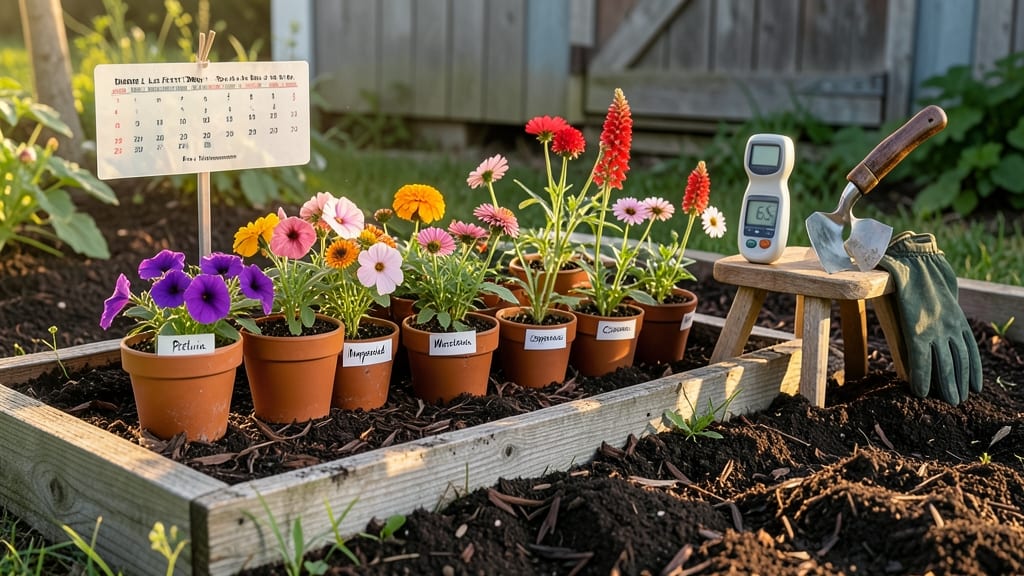
Timing when to plant flowers in Delaware just right means the difference between a showstopping garden and a sad, frost-nipped disappointment. With Delaware’s 7a-7b climate, you’ve got a narrow window to plant annuals and perennials before those unpredictable spring frosts strike—or miss the boat entirely by waiting too long.
I’ve spent years watching gardens thrive (and flop) in this region, and the key isn’t just knowing when to dig—it’s understanding how Delaware’s humid summers and mild winters play into your planting schedule.
Whether you’re dreaming of bold spring blooms or a fall garden that steals the show, getting the timing right is your secret weapon.
Let’s break down the exact months to plant for last-frost success, which flowers handle Delaware’s heat best, and how to stretch your blooming season with simple tricks. By the end, you’ll know exactly when to grab those seed packets—or why you should wait.
Ready to turn your garden into a year-round paradise? Let’s get started with the perfect planting calendar for Delaware’s unique climate.
Delaware’s last frost dates by month: exact timing for flower planting
Delaware’s USDA hardiness zones 7a-7b offer gardeners a longer growing season than many northern states, but frost dates still dictate when to plant flowers safely.
The average last frost date across Delaware ranges from April 15 in inland areas to May 10 near coastal regions, thanks to the moderating influence of the Atlantic Ocean.
This variation means your planting timeline should account for microclimates—coastal gardens stay cooler longer, while inland spots warm up faster.
For annual flowers, timing is critical: planting too early risks frost damage, while waiting too long may shorten the bloom season. Perennials, on the other hand, often handle cooler spring temperatures better and can be planted 2-4 weeks earlier than annuals.
Understanding these differences helps you maximize bloom time and avoid common mistakes like wasted seedlings or stunted growth.
🌱 Delaware Last Frost & Planting Timeline
| Month | Avg. Last Frost | Avg. First Frost | Best Planting Window | Notes |
|---|---|---|---|---|
| March | Late March (inland) | N/A | Cold-hardy annuals, bulbs | Coastal areas: wait until April |
| April | April 15 (inland) | N/A | Most annuals, perennials | Wait until soil reaches 60°F |
| May | May 10 (coastal) | N/A | Heat-loving annuals | Coastal: plant after May 10 |
| September | N/A | Mid-September (coastal) | Cool-season annuals | Plant 6-8 weeks before first frost |
| October | N/A | November 15 (inland) | Bulbs, spring bloomers | Coastal: plant bulbs by Oct 15 |
If you’re planting seeds indoors, start them 6-8 weeks before your area’s last frost date.
For Delaware’s inland regions, this means beginning seeds around February 20, while coastal gardeners should wait until March 15. Transplanting outdoors should happen after the soil warms to at least 60°F, which typically aligns with late April for most of the state.
For perennials, early spring planting is ideal because established roots give them a head start. Daylilies and black-eyed Susans thrive when planted in March or early April, while delicate perennials like peonies should wait until mid-April to avoid frost damage. Bulbs like tulips and daffodils can be planted in fall (October) or early spring (March), but fall planting yields stronger blooms.
Coastal Delaware gardeners should exercise extra caution. The delayed warming near the shore means waiting until May 10 to plant heat-loving annuals like zinnias or marigolds. Inland areas can safely plant these by April 20.
Always check the National Weather Service’s 10-day forecast before planting to avoid surprises from late frosts.
One pro tip for Delaware gardeners: use row covers or cold frames to extend your planting window by 2-3 weeks earlier in spring or 2-3 weeks later in fall.
This simple trick can give you 40-60 extra days of growing time for flowers that love warmth, like geraniums or petunias.
Remember, microclimates matter. A garden in New Castle may experience frost two weeks later than one in Dover.
Pay attention to local frost patterns over the years and adjust your planting schedule accordingly. Keep a garden journal to track when your flowers thrive—and when they don’t—to refine your timing each season.
Finally, don’t forget that fall planting is just as important as spring. Many cool-season flowers like pansies and snapdragons thrive when planted in September or early October, giving you color through winter and into early spring.
With Delaware’s mild winters, this strategy can extend your garden’s beauty well beyond the typical summer season.
Best flowers to plant in Delaware’s spring and fall seasons
Delaware’s USDA Zone 7a-7b climate lets you grow stunning flowers year-round, but the key is matching varieties to spring and fall planting windows.
Cool-season bloomers like pansies and snapdragons thrive when planted in early spring (March–April), while heat-loving marigolds and zinnias shine when sown in late summer (August–September) for fall color.
For spring planting, focus on annuals like petunias and cosmos—they’ll burst into bloom just as winter fades. In fall, opt for perennials like black-eyed Susans or cool-hardy mums to enjoy color before the first frost. My garden’s late-summer zinnia patch always gets compliments for its bold hues!
🌸 Spring Planting Guide (March–May)
- Pansies (March–April): Thrives in 40–70°F; great for shade gardens.
- Snapdragons (March–April): Needs full sun; perfect for cutting gardens.
- Sweet Alyssum (March–May): Drought-tolerant once established; attracts pollinators.
- Marigolds (May–June): Pest-repellent; loves full sun and poor soil.
- Zinnias (May–June): Long-blooming; great for cut flowers.
- Sunflowers (May–June): Needs deep, well-draining soil; attracts birds.
- Coneflowers (March–April): Drought-resistant; blooms summer to fall.
- Black-Eyed Susans (March–April): Low-maintenance; thrives in poor soil.
- Daylilies (March–April): Hardy to Zone 3; reblooms all season.
Fall planting (September–October) is my favorite—it’s like giving your garden a second chance at color! Chrysanthemums and asters love the cooler temps, while pansies and violas can handle light frosts. I’ve even seen calendulas bloom straight through winter in my sheltered garden beds.
Pro tip: Direct-sow seeds for fastest results, but use transplants for tender varieties like impatiens. My fall-planted cosmos self-seeds every year, creating a wildflower meadow by spring! Always check seed packets for Delaware-specific timing—some varieties need 100+ frost-free days.
For container gardening, opt for compact varieties like bacopa or lobelia—they thrive in pots and can be moved indoors before frost. Just ensure your containers have drainage holes to prevent root rot, a common issue in Delaware’s humid summers.
Remember: Soil temperature matters! Use a soil thermometer—most seeds need 60°F+ soil to germinate. In coastal Delaware, warmer microclimates may let you plant 2–3 weeks earlier than inland areas. Test your soil’s pH too—most flowers prefer 6.0–7.0.