
Plants
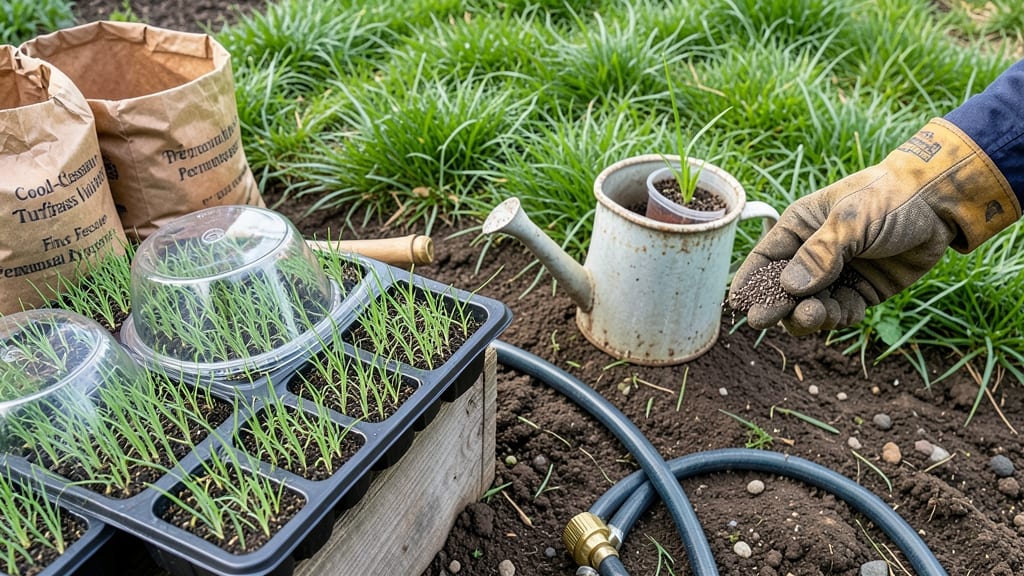
Massachusetts grass planting deadlines by month: what you need to know
Massachusetts’ USDA zones 5b-6b create a tight window for planting grass. The ideal time is 4-6 weeks before the first frost (mid-October) or 4-6 weeks after the last frost (mid-April). But if you missed that, don’t panic—late planting is still possible with the right approach.
For cool-season grasses (like Kentucky bluegrass or fine fescue), the last safe month is mid-to-late October. Warm-season grasses (like Bermuda or Zoysia) should be planted by early June—after that, they won’t establish before winter. Soil temperature is your best guide: aim for 50-65°F for germination.
Here’s the breakdown by month: February-March is early but risky if frost lingers. April-May is ideal for spring planting. September-October works for fall, but November is pushing it—unless you’re using winter-hardy ryegrass. December planting is not recommended unless you’re overseeding with cold-tolerant varieties.
📅 Massachusetts Grass Planting Timeline
| Month | Cool-Season Grasses | Warm-Season Grasses | Risk Level |
|---|---|---|---|
| February | Early (if frost-free) | Not recommended | Medium |
| March | Good (soil warming) | Not recommended | Low |
| April | Ideal (post-last frost) | Not recommended | Very Low |
| May | Still good (but weeds compete) | Early (if soil >65°F) | Low |
| June | Too late (summer stress) | Ideal (peak heat) | Very Low |
| September | Good (cooling temps) | Not recommended | Low |
| October | Last safe month | Not recommended | Medium (frost risk) |
| November | Risky (unless ryegrass) | Not recommended | High |
| December | Not recommended | Not recommended | Very High |
⚠️ Note: Warm-season grasses planted after June may not establish before winter.
If you’re planting in late October or November, focus on annual ryegrass—it germinates quickly and handles cold. For December, only consider overseeding with winter wheatgrass if you have a snow-free microclimate. Otherwise, wait until early spring.
Regional differences matter: Western MA (like Springfield) has earlier frosts than coastal areas (like Boston). Check your local frost dates via the National Weather Service or USDA Plant Hardiness Map to adjust your timeline.
One critical mistake is ignoring soil temperature. Use a soil thermometer—if temps drop below 40°F, germination stops. For late planting, mulch lightly with straw to insulate seeds and retain warmth.
For overseeding existing lawns, late fall (October-November) is actually ideal because cool temps reduce weed competition. But for new lawns, stick to spring or early fall for the best results.
If you’re still unsure, test your soil first. A pH of 6.0-7.0 is perfect for grass. If your soil is too acidic (pH <5.5), amend it with lime before planting—especially critical for late-season success.
Remember: patience is key. Late-planted grass may take longer to establish (up to
How to revive late-planted grass: pro tips for Massachusetts gardeners
If you missed the ideal March-April window for planting grass in Massachusetts, don’t panic. With the right approach, you can still establish a healthy lawn—even when planting late summer or early fall. The key lies in adjusting your techniques to match MA’s climate and soil conditions.
First, focus on soil preparation. Late-planted grass needs loose, well-aerated soil to establish roots before winter. Test your soil’s pH (6.0-7.0 ideal) and amend with compost or lime if needed. This step is critical for preventing winter kill in cool-season grasses like tall fescue or Kentucky bluegrass.
- 1. Choose fast-germinating seeds: Opt for annual ryegrass (germinates in 5-10 days) or creeping red fescue for quick coverage.
- 2. Water deeply twice daily: Keep soil 1-2 inches moist until germination (typically 14-21 days). Use a soaker hose to avoid runoff.
- 3. Apply starter fertilizer: Use a high-phosphorus (P) blend (e.g., 5-10-5) to boost root growth before dormancy.
- 4. Mow high in early fall: Set your mower to 3-4 inches to shade roots and retain moisture.
- 5. Mulch lightly after planting: Spread straw mulch (¼ inch thick) to reduce evaporation and suppress weeds.
For fall planting, aim to finish by mid-October in most of Massachusetts. Grass needs 4-6 weeks of warm soil and 6-8 hours of sunlight daily to establish before the first frost. If planting in November, use winter ryegrass—it tolerates cold and provides temporary coverage until spring.
Watch for fungal diseases like brown patch or dollar spot, which thrive in late-season moisture. Improve airflow by spreading seeds thinly (½ lb per 100 sqft) and avoid overhead watering. If you see yellowing or thinning in spring, overseed with perennial ryegrass for quick recovery.
Remember: Late-planted grass may not reach full maturity until next summer, but with consistent care, it can still outcompete weeds. The key is patience and persistence—your lawn will thank you for the effort!
💧☀️✂️