
How To
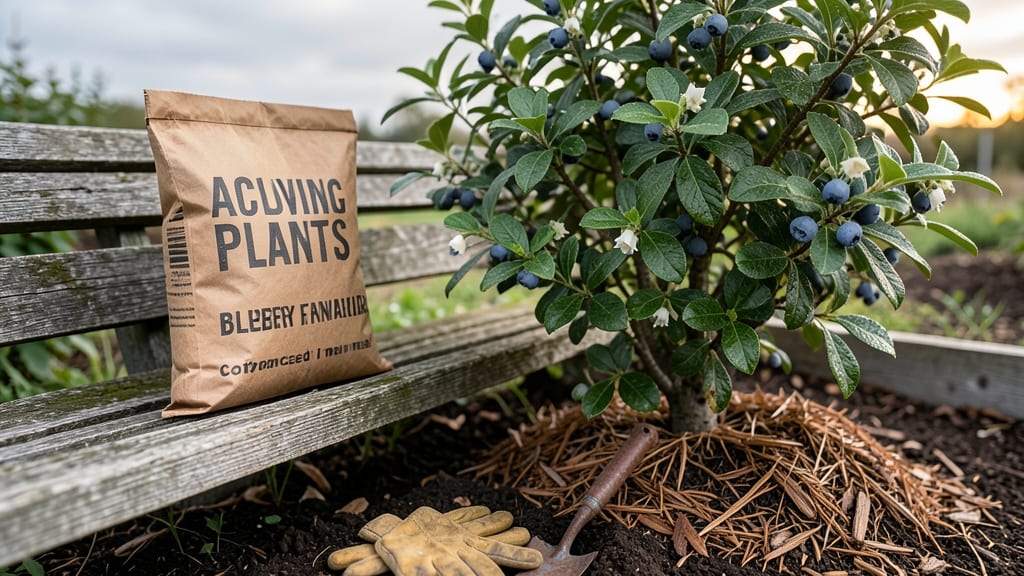
If you're wondering when is the best time to fertilize blueberry bushes, timing really is everything—because getting it wrong can mean smaller harvests and weaker plants.
The secret to juicy, abundant 🫐 berries lies in feeding your bushes at the right moments, not just any time during the growing season.
Most gardeners make the mistake of fertilizing too late in the year or skipping the early spring boost, which can leave your bushes struggling. I’ve learned that the two most critical windows—spring and fall—are where you’ll see the biggest difference in fruit production.
Let me show you exactly when to feed and what to use for maximum impact.
Spring fertilization kickstarts growth after dormancy, while fall feeding sets the stage for next year’s harvest. We’ll cover the exact months to focus on, plus how to avoid overdoing it—because even blueberries can get too much of a good thing. Ready to turn your bushes into berry powerhouses?
Whether you’re a first-time grower or a seasoned gardener, these insights will help you plan your feeding schedule like a pro. Let’s get your blueberries thriving with the right timing and techniques.

Spring fertilization schedule for blueberry bushes: when and how to feed for blooming success
Timing your spring fertilization is the secret to bountiful blueberry harvests.
For most regions, the ideal window is 4-6 weeks after dormancy, typically late March to early April in USDA Zone 6a. This aligns with when your bushes break dormancy and new growth emerges—signaling they're ready to refuel after winter.
If you missed spring feeding, don't panic—just adjust your approach. The key is to avoid fertilizing after harvest (June-August), as this can stimulate new growth that won't harden off before winter.
Instead, focus on soil preparation in early spring by adding organic matter like compost or peat moss to maintain that acidic pH (4.5-5.5) blueberries crave.
⚠️ Critical Tip: Never fertilize when soil is frozen or waterlogged. Wait until the ground thaws and you can work it easily. A simple soil pH test (available at garden centers) before feeding ensures your fertilizer won't harm your plants.
| Stage | Action | Fertilizer Type | Notes |
|---|---|---|---|
| Early Spring (March) | Test soil pH | None | Adjust to 4.5-5.5 if needed |
| Late Spring (April) | Apply balanced fertilizer | 10-10-10 or 12-12-12 | ½ cup per bush, early morning |
| Post-Harvest (July) | Light organic feed | Compost or fish emulsion | Replenish nutrients |
| Fall (October) | No fertilization | None | Encourage dormancy |
For organic gardeners, options like cottonseed meal (high in nitrogen) or alfalfa pellets work wonders in spring. These release nutrients slowly, matching your bushes' growth pace. Synthetic fertilizers like Miracle-Gro Acid-Loving Plant Food are faster-acting but require more frequent applications—every 4-6 weeks during the growing season.
Watch for nutrient deficiency signs like yellow leaves (nitrogen deficiency) or stunted growth (phosphorus deficiency). If you spot these, adjust your fertilizer blend or schedule. For example, a high-phosphorus fertilizer (like 5-10-10) can help root development if your bushes struggle to establish.
Pro tip: Mulch heavily after fertilizing with pine needles or wood chips to lock in moisture and acidify the soil naturally. This mimics their native forest floor habitat and keeps roots cool during hot springs.
Regional adjustments matter! In warmer climates (Zones 7-9), delay spring feeding until February-March to avoid encouraging early growth that could get damaged by late frosts. Always check your last frost date and fertilize 2-3 weeks after it passes.
Remember, less is more with blueberries. Over-fertilizing leads to excessive leafy growth at the expense of fruit production. Stick to the ½ cup per bush guideline and monitor your plants' response closely.
By mastering this spring fertilization window, you'll set your blueberry bushes up for healthier blooms, better fruit set, and a harvest that rivals the grocery store—without the pesticides. Your future self (and your taste buds) will thank you!
Fall fertilization secrets: how late-season feeding boosts next year’s blueberry yield
As summer winds down and temperatures drop, many gardeners assume feeding their blueberry bushes should stop—but that’s a missed opportunity! Late-season fertilization in late August to early September can set the stage for a bigger harvest next year.
This timing gives roots time to absorb nutrients before dormancy while avoiding late-season growth that could be damaged by frost.
Why does fall feeding work? Blueberries are evergreen shrubs that stay active until frost. Applying fertilizer now ensures nutrients are available for root development and bud formation—critical for next year’s flowers and fruit. Plus, slow-release fertilizers break down gradually, reducing the risk of over-fertilization before winter.
For best results, use a low-nitrogen fertilizer (like a 10-10-10 blend) or organic options such as composted manure. Avoid high-nitrogen formulas, which can promote tender new growth vulnerable to cold snaps. Spread fertilizer evenly over the root zone and water deeply to activate it.
🌱 Pro Tip: Test your soil’s pH before fertilizing—blueberries thrive in acidic soil (pH 4.5–5.5). If your soil is too alkaline, amend it with sulfur or peat moss first.
Fall Fertilization: Pros & Cons
- Boosts root growth for next year
- Encourages bud formation
- Reduces winter nutrient stress
- Over-fertilizing can harm tender growth
- Requires precise timing (stop by October)
- Not ideal for drought-prone areas
Stop fertilizing by mid-October to allow bushes to harden off before winter. Over-fertilizing late in the season can lead to excessive new growth, which may not survive frost. Instead, focus on mulching with pine needles or wood chips to insulate roots and retain moisture.
If your blueberries are younger than 3 years old, skip fall feeding—they don’t need extra nutrients yet. Mature bushes (3+ years) benefit most from this late-season boost. Pair fall fertilization with a light pruning session to remove dead wood and improve air circulation.
💡 Remember: Fall fertilization is about preparing for next year, not immediate results. Think of it as a nutrient bank for your bushes’ spring awakening—when they’ll reward you with healthier leaves, more flowers, and a bountiful harvest. 🫐