
Flowers
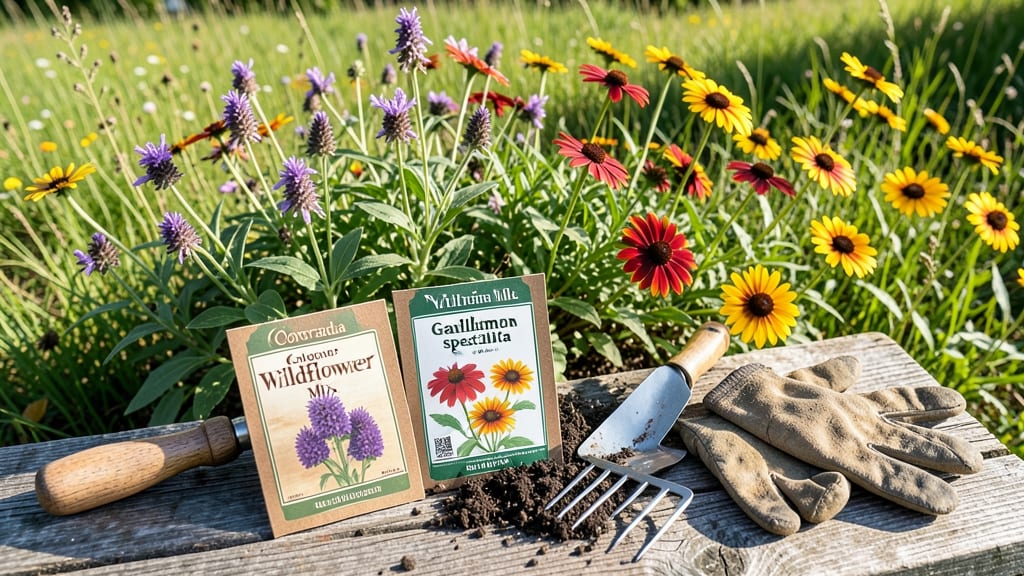
Timing your flower planting in Colorado isn't just about luck—it's the secret to vibrant blooms that last all season. With USDA zones 5-7 and dramatic temperature swings, getting your 🌸 in the ground at the right moment makes all the difference.
Whether you're planting annuals for summer color or perennials to return year after year, missing the window could mean stunted growth or worse.
Most Colorado gardeners know the general rule: wait until after the last frost, but the devil's in the details. In zones 5-7, that means late April to early June for spring planting, with a second chance in August to early September for fall bloomers.
But here's the catch—your elevation matters too. High-altitude gardens in the mountains have different frost dates than the Front Range, so we'll break it down by zone.
You might be surprised to learn that soil temperature plays a bigger role than air temperature. Waiting until the ground warms to 50°F consistently ensures your seeds germinate properly, while rushing too early can leave delicate roots vulnerable to late frosts.
The good news? With the right timing, you can enjoy continuous blooms from spring through fall—even in Colorado's unpredictable climate.
Ready to transform your garden? I'll walk you through the exact planting schedule for your zone, plus pro tips for preparing soil and extending your growing season. Let's get those flowers thriving!
Colorado’s flower planting calendar by USDA zone: when to start seeds vs. transplanting
Colorado’s USDA hardiness zones 4-10 create dramatic differences in planting windows, especially when moving from the Front Range to the Western Slope. In zone 4 (high mountain areas), you’ll plant 6 weeks later than in zone 7 (Denver metro).
Understanding these timelines ensures your annuals, perennials, and bulbs thrive despite our unpredictable frosts.
Most Colorado gardeners focus on two key windows: spring planting (after last frost) and fall planting (for early blooms next year).
The last spring frost typically occurs between April 15 (zone 7) and May 15 (zone 4), while the first fall frost arrives between September 15 (zone 7) and October 15 (zone 4). Soil temperature is your best guide—wait until it reaches 50°F consistently before planting warm-season flowers.
Here’s how to align your planting with Colorado’s zone-specific frost dates and ideal soil conditions for maximum success:
For annual flowers like marigolds, zinnias, and petunias, start seeds indoors 4-6 weeks before your last frost date.
These heat-lovers need warm soil, so don’t rush—wait until nighttime temperatures stay above 50°F. Perennials like coneflowers and black-eyed Susans can handle cooler soils, so transplant them as soon as the ground is workable, even if frost lingers nearby.
Bulbs like tulips and daffodils should be planted in fall (September–October) to establish roots before winter. In higher elevations (zones 4-5), aim for 6-8 weeks before first frost, while lower elevations (zones 6-7) can wait until mid-October.
The key is getting bulbs in the ground 4-6 inches deep before the soil freezes.
Colorado’s high-altitude gardens (above 7,000 feet) face unique challenges. The thinner air and intense UV rays can stress young plants, so use row covers or cold frames to extend your growing season. In these areas, start seeds indoors 8-10 weeks early and harden them off gradually to avoid transplant shock.
Don’t forget about fall-planted flowers like pansies and sweet alyssum, which thrive in Colorado’s cool autumn weather. These cool-season annuals can handle light frosts and often bloom earlier than spring-planted varieties. Plant them 4-6 weeks before your first frost for a colorful winter garden.
Pro tip: Use a soil thermometer to monitor conditions—most seeds need soil temps between 60-70°F to germinate. In Colorado’s dry climates, water deeply before planting to encourage root growth in the well-draining soil we’re known for.
Best flowers to plant in Colorado by season: perennials, annuals, and bulbs that thrive
Colorado’s four distinct seasons create perfect opportunities for seasonal blooms, but not all flowers thrive year-round. Perennials like coneflowers and black-eyed Susans return every year, while annuals like petunias and marigolds offer quick color. Bulbs such as daffodils and tulips bring early spring cheer, while fall-planted bulbs like crocuses ensure winter interest.
For high-altitude gardens (above 7,000 ft), opt for drought-tolerant perennials like sedum or penstemon. These hardy plants handle low humidity and intense sunlight better than delicate annuals. Front Range gardeners (USDA Zones 5-7) can experiment with heat-loving annuals like zinnias and cosmos for summer-long color.
Spring planting (April–May) focuses on cool-season crops and hardy perennials. Summer bloomers like lupines and beebalm thrive when planted in early spring or late summer. Fall planting (August–September) is ideal for bulbs and winter-hardy annuals like pansies and stock, which bloom until frost.
🌸 Top Colorado Flowers by Season
- 🌱 Spring (April–May): Daffodils, Tulips, Bleeding Heart, Lungwort (great for shade gardens).
- ☀️ Summer (June–August): Zinnias, Cosmos, Lupines, Beebalm (attracts pollinators).
- 🍂 Fall (September–October): Chrysanthemums, Pansies, Stock, Calendula (edible petals).
- ❄️ Winter Interest: Hellebores, Winter Aconite, Snowdrops (bloom under snow).
Drought-resistant picks like yarrow and lavender are perfect for water-wise gardens, while shade-loving perennials such as hostas and astilbes thrive in woodland settings. Native wildflowers like blanket flower and purple coneflower support local ecosystems while requiring minimal care.
For container gardening, choose compact varieties like geraniums or petunias. These spiller plants cascade beautifully over edges, adding vertical interest to patios. Succulents like sedum also excel in containers, needing minimal water and full sun.
Always amend soil with compost before planting to improve drainage and nutrient retention. Mulch with straw or pine needles to retain moisture and suppress weeds. Group plants by water needs to simplify irrigation, ensuring even blooms throughout the season.