
Flowers
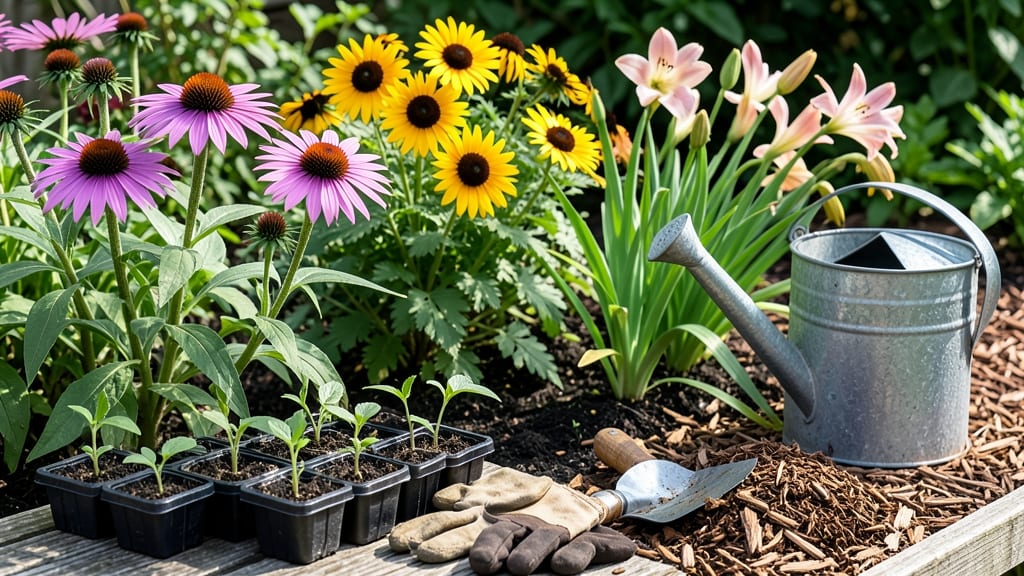
When is the best time to plant flowers in Michigan? Timing your flower plantings isn’t just about following a calendar—it’s about beating the unpredictable frosts that can turn your garden dreams into a sad, icy memory. With USDA Zones 5b-6b, you’ve got a narrow window to get seeds in the ground before Mother Nature throws another surprise your way. Whether you’re dreaming of vibrant petunias or hardy coneflowers, planting too early or too late can mean the difference between a lush garden and a wasted season.
I’ve spent years watching Michigan gardens thrive—and fail—because of timing, and the key is knowing when to plant for your specific flower types. Annuals like marigolds need to wait until after the last frost (usually mid-April), while perennials like black-eyed Susans can handle an early spring start.
Bulbs? They’ve got their own rules entirely. The secret isn’t guessing—it’s using local frost dates, soil temperatures, and even microclimates to your advantage.
Let’s cut through the confusion with a zone-specific guide that tells you exactly when to plant for maximum blooms—whether you’re in Detroit, Traverse City, or the Upper Peninsula.
You’ll learn how to adjust for cool-season flowers, tender annuals, and even container gardening hacks that work year-round. Ready to turn your Michigan garden into a blooming success?
From avoiding frost damage to choosing the right varieties for your area, this is your roadmap to a garden that flourishes from spring to fall. No more second-guessing—just confident planting and stunning results.
Michigan planting deadlines by flower type: annuals vs. perennials vs. bulbs
Michigan’s USDA Zones 4-6 demand precision when planting flowers—one wrong move, and frost can turn your tender annuals into icy casualties. The key? Understanding how annuals, perennials, and bulbs each have their own optimal planting windows, often separated by weeks or even months.
For cool-season annuals like pansies or snapdragons, you can start as early as late March in southern Michigan, but wait until mid-April in the Upper Peninsula. Warm-season favorites (think marigolds or zinnias) need to wait until after the last frost, typically mid-May in most regions.
Perennials like coneflowers or black-eyed Susans are tougher—they can handle early spring plantings (as soon as soil thaws) or even fall transplants for next-year blooms. But bulbs? They’re a whole different story. Tulips and daffodils need fall planting (September-October) to establish roots before winter.
Here’s the breakdown you need to avoid common mistakes and maximize blooms:
| Flower Type | Spring Planting Window | Fall Planting Window | Key Notes for Michigan |
|---|---|---|---|
| Annuals (Petunias, Marigolds, Zinnias) | After last frost (mid-May in most areas) | N/A (unless overwintering in containers) | Start indoors 6-8 weeks before last frost for head start. |
| Perennials (Coneflowers, Black-Eyed Susans) | Early spring (April) or fall (September) | September-October (6 weeks before first frost) | Fall planting = stronger roots next spring. |
| Bulbs (Tulips, Daffodils, Hyacinths) | N/A (plant in fall) | September-October (soil 60°F+) | 6-8 weeks before first frost for best blooms. |
| Cool-Season Annuals (Pansies, Snapdragons) | Late March (southern MI) to mid-April (UP) | August-September (for fall blooms) | Tolerates light frost—ideal for early spring color. |
One critical exception? Hardy annuals like cosmos or sunflowers can handle direct sowing in early May, even if frost lingers. These frost-tolerant varieties will bounce back once temperatures rise. For containers, you’ve got flexibility—move pots to sheltered spots if frost threatens.
Pro tip: Use row covers or cold frames to extend your spring planting window by 2-3 weeks. This works wonders for tender perennials like lavender or salvia, which hate soggy soil but can’t handle frost.
Remember, Michigan’s microclimates matter. A Detroit garden might be 2-3 weeks ahead of Traverse City. Check your local frost dates (like those from Michigan State University) and adjust your timeline accordingly. The goal? Plant when soil temps hit 50°F+—that’s your green light for most flowers.
For bulbs specifically, timing is everything. Plant tulips in October for spring blooms, but daffodils can wait until November—they’re more forgiving. The rule? Bulbs need 6-8 weeks of cool soil before winter sets in.
Lastly, don’t overlook fall planting for perennials. September is prime time to get daylilies or peonies in the ground—they’ll establish roots over winter and burst into bloom next summer.
5 Critical factors that shift Michigan’s flower planting timeline (and how to adjust)
Michigan’s last-frost dates aren’t just a number—they’re the difference between thriving blooms and sad, frost-nipped seedlings. For example, Detroit’s average last frost is April 15, but Traverse City’s can linger until May 10.
Even a 10-day difference changes your planting strategy. Always check your county’s NOAA frost data or use the Michigan State University Extension’s frost calendar for precision.
Soil temperature matters just as much as air temperature. Most flower seeds need soil at 50°F (10°C) to germinate, while tender annuals like petunias won’t tolerate cold soil.
Use a soil thermometer (or your finger—if it’s cold to the touch, wait). In cooler zones like the Upper Peninsula, aim for late May for warm-season flowers.
Rainfall patterns create another hurdle. Michigan’s spring showers can turn planting beds into mud pits, while summer droughts stress young plants. If your forecast predicts heavy rain, delay planting until the ground firms up.
For container gardening, you’ve got more control—just ensure pots have drainage holes and use well-draining potting mix to prevent soggy roots.
Urban vs. rural microclimates add complexity. Cities like Detroit and Grand Rapids experience heat islands that can warm soil earlier, while rural areas stay cooler longer. If you’re in a urban garden, you might plant 2-3 weeks earlier than rural neighbors.
Test your microclimate by observing when daffodils bloom—if they’re up by mid-April, your soil is likely ready for cool-season flowers.
Finally, don’t overlook container gardening flexibility. Potted flowers can be moved to protected spots (like near a south-facing wall) to extend the season. For example, geraniums in pots can bloom 3-4 weeks earlier than in-ground plants.
Just remember: containers dry out faster, so monitor moisture closely, especially in windy Michigan summers.
🌱 5 Critical Factors to Adjust Your Planting Timeline
- Last-frost dates: Check your county’s average (varies 10-20 days across Michigan).
- Soil temperature: Wait until soil hits 50°F (10°C) for most flowers.
- Rainfall patterns: Avoid planting during heavy rain forecasts—wait for dry spells.
- Microclimates: Urban areas warm up 2-3 weeks earlier than rural zones.
- Container flexibility: Pots let you extend seasons by moving plants to sheltered spots.
To stay ahead, bookmark the Michigan State University Extension’s frost maps and set reminders for your local last-frost date. For frost-sensitive flowers like impatiens, wait until after May 15 in most of the state.
And if you’re unsure? Start with hardy annuals like marigolds or pansies, which tolerate cooler soils better than delicate tropical blooms.
🌷